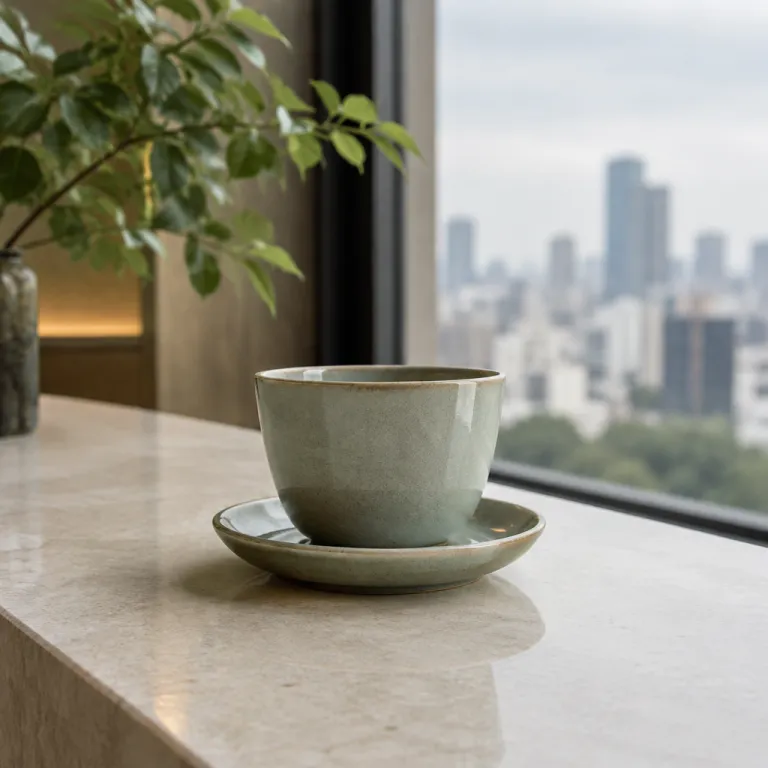
Why hasami porcelain from Japan matters when you book in Osaka
When you choose a hotel in Osaka, the tableware quietly signals its standards. Many of the most design-conscious properties now feature hasami porcelain from Japan, using it to express a balance between tradition and contemporary comfort. This subtle detail can transform breakfast, afternoon tea, or in-room dining into a tactile, memorable ritual.
Hasami porcelain, also known as hasami ware (Hasami yaki), comes from the town of Hasami in Nagasaki Prefecture, where large-scale porcelain production developed from the early seventeenth century. Historical records from Hasami Town and Nagasaki Prefecture note that techniques arrived via Korean potters working in nearby regions such as Arita, and over time Hasami refined a division-of-labour system that still supports local kilns and craftsmen. When you see a hasami porcelain round bowl or porcelain round plate in your Osaka hotel, you are touching a craft lineage that runs from Edo-period mass production of everyday ware to today’s minimalist design revival.
Modern hasami porcelain Japan brands, including the well-known HASAMI PORCELAIN line directed by designer Takuhiro Shinomoto, focus on modular diameters and stackable forms that suit compact Japanese kitchens and hotel back-of-house spaces. This modularity means a single round bowl can serve as a rice bowl at breakfast, a deep round vessel for ramen at lunch, or a bowl tall enough for layered desserts at night. Hotels appreciate this flexibility because it reduces storage needs while keeping the table setting visually calm and harmonious.
Traditional meets modern interiors in Osaka hotels through hasami ware
Osaka’s most interesting hotels use hasami porcelain Japan pieces as a design bridge between tatami-inspired rooms and sleek urban lounges. You might notice a gloss gray tea pot on a low wooden tray in a suite, its soft sheen echoing the city lights outside while its natural clay texture grounds the space. The same property may use a matte bowl natural finish in the restaurant, where the subtle ash-toned glaze complements seasonal kaiseki dishes.
Hasami ware is known for simple silhouettes, often in calm gray, black, or warm natural tones that pair beautifully with cedar, washi paper, and stone. In a riverside hotel near Nakanoshima, for example, a porcelain round container tumbler in black gloss sits beside the bed, doubling as a water glass and a toothbrush holder. The design team can specify the exact size and height, choosing a tall profile for the bathroom and a lower, round version for the minibar tray.
Because hasami porcelain relies on a modular diameter system, hotels can order matching plate and bowl sets that stack efficiently on service trolleys. A round bowl gloss finish might nest perfectly into a plate lid that keeps room service dishes warm while travelling through the corridor. When guests lift that plate lid, they experience a small moment of theatre that reflects both Japanese precision and the hotel’s attention to detail.
How to read quality, size, and price when you see hasami porcelain in Osaka
As a guest, you rarely see the procurement sheets, yet you can still read quality from the hasami porcelain Japan pieces in front of you. Start with the glaze and colour; a gloss gray bowl or a bowl black with a satin finish should show tiny, natural variations rather than a flat, plastic-like surface. These subtle specks of ash or iron in the glaze signal kiln firing and handcrafted processes rather than mass-produced uniformity.
Next, pay attention to size and proportion, because hasami ware follows a rational grid that allows plates, bowls, and trays to share diameters. Common series use base sizes around 145 mm, 185 mm, or 220 mm, so a deep round bowl tall enough for noodles will often share its footprint with a shallower plate, and both can sit neatly on the same wooden tray without wasted space. When a hotel uses this system well, your breakfast tray feels balanced, with a round bowl natural for miso soup, a smaller porcelain round sugar pot, and a compact tea pot all aligned in a calm rhythm.
Price is harder to see directly, yet you can infer it from the coherence of the table setting and the presence of specialised pieces. If your room service arrives on a coordinated set including a plate with a matching lid natural, a container tumbler for sauces, and a small pot for condiments, the hotel has invested in a complete hasami porcelain service. That investment usually means they value both durability and guest experience, which often correlates with stronger service standards across the property.
From kiln to Kansai: the journey of hasami porcelain into Osaka hotels
Hasami town in Nagasaki Prefecture sits several hundred kilometres from Osaka, yet its porcelain travels easily along Japan’s logistics networks into Kansai’s hospitality scene. Historically, hasami ware became popular because division of labour among craftsmen allowed efficient production of everyday tableware for commoners, a point noted in regional pottery histories and tourism materials. Today, that same system supports consistent quality for hotels that need hundreds of identical plates, bowls, and trays for banquets and breakfast buffets.
Local kilns in Hasami still use climbing kilns and porcelain stone from nearby quarries, combining traditional firing with modern moulds and press techniques. Many pieces destined for Osaka hotels are produced in modular series, where a single diameter can generate a flat plate, a shallow round bowl, a bowl tall for soups, and even a plate lid that turns a bowl into a lidded pot. This modularity reduces waste and simplifies ordering, because a hotel can specify one base size and then mix gloss, natural, gray, or black finishes across its outlets.
Designers such as Takuhiro Shinomoto have pushed hasami porcelain Japan into international awareness by emphasising clean lines and stackable forms. As he and other collaborators work with local kilns, they maintain lead-free, eco-safer glazes that appeal to hotels focused on sustainability certifications. When you stay in Osaka and drink from a hasami porcelain container tumbler or lift a gloss gray lid from your breakfast bowl, you participate in this carefully managed supply chain that links rural artisanship with urban hospitality.
Choosing an Osaka hotel through its tableware and tea rituals
When comparing hotels in Osaka, look beyond room size and location to how they stage tea and coffee moments. Properties that curate hasami porcelain Japan pieces often highlight them in photos of afternoon tea, in-room coffee setups, or chef’s tasting menus. This is not mere styling; it signals a commitment to tactile comfort and to the Japanese art of omotenashi, or thoughtful hospitality.
For tea lovers, note whether the room features a coordinated tea pot, sugar pot, and small bowl for sweets, ideally on a wooden tray that frames the porcelain. A gloss gray tea pot paired with a bowl black for wagashi and a round bowl natural for nuts or dried fruit creates a layered yet calm vignette. Hotels that invest in such ensembles usually train staff to handle them carefully, ensuring that lids fit well, handles pour cleanly, and the overall experience feels effortless.
If you are drawn to artful stays and floral design, consider properties that integrate ceramics with garden views and curated exhibitions. One Osaka guide to artful stays amid petals, galleries, and gardens highlights how some hotels pair hasami ware with seasonal ikebana and local rose-themed installations. In these spaces, a porcelain round container tumbler might hold a single stem, while a plate lid becomes a miniature pedestal for a dessert inspired by nearby parks.
Understanding sales, collections, and what they reveal about your hotel
Behind the scenes, hotel buyers in Osaka navigate catalogues filled with hasami porcelain Japan collections, each with its own sale price structure and finish options. Some lines, often coded internally as HPB, HPM, or HPW, indicate specific glaze families such as gloss gray, matte natural, or deep black, as described in manufacturer product notes. When a hotel standardises on one of these hasami ware series, it gains replacement security and can negotiate better terms on each plate, bowl, and pot.
Seasonal catalogues frequently feature a gray sale or black sale section, where certain sizes or finishes are offered at a more attractive sale price due to overstock or kiln scheduling. A savvy food and beverage manager might use these opportunities to expand the range of round bowl gloss pieces for desserts or to add a new bowl tall format for noodle dishes. Even during a natural sale campaign, serious hotels avoid mixing incompatible glazes, instead curating a coherent palette that still respects budget constraints.
As a guest, you may notice subtle shifts when a property updates its hasami porcelain service after a major sale. Breakfast might arrive on a slightly larger size of tray, with a new porcelain round sugar pot and a more ergonomic plate lid that doubles as a small serving plate. These quiet upgrades show that the hotel is reinvesting in its hardware, which usually aligns with refreshed menus, improved coffee programs, and renewed attention to detail throughout the stay.
Key figures and facts about hasami porcelain in Japanese hospitality
- Hasami porcelain production has continued for around 400 years, giving Osaka hotels access to a mature craft tradition with proven durability for daily service (reported in Hasami Town pottery histories and Nagasaki Prefectural cultural resources).
- Local surveys cited by Hasami Town and regional research note that a significant share of residents has historically worked in porcelain-related activities, which underpins a reliable workforce for large hotel orders across Japan.
- Porcelain production in the Hasami–Arita area began around the turn of the seventeenth century, when Korean potters introduced new techniques, creating one of Japan’s earliest centres for everyday tableware used now in both homes and hotels (summarised in academic and tourism timelines).
- Modern hasami porcelain brands emphasise lead-free, eco-safer glazes, which helps Osaka hotels meet contemporary sustainability and health standards without sacrificing aesthetic quality (described in manufacturer and design overviews).
- The modular diameter system used in many hasami ware collections allows multiple forms to share a base size, reducing storage volume for hotel back-of-house operations while maintaining visual consistency on the table (documented in product design notes and catalogues).
FAQ about hasami porcelain Japan and Osaka hotels
What is Hasami yaki and why do Osaka hotels use it
Hasami yaki is porcelain from Hasami in Nagasaki Prefecture, developed for everyday use since the Edo period and now valued for its simple forms and modular sizes. Osaka hotels use it because it combines durability with understated elegance, making it ideal for both casual breakfasts and refined tasting menus. The shared diameters and stackable shapes also help hotels manage storage and service efficiency.
When did hasami porcelain production begin in Japan
Hasami porcelain production took shape in the early 1600s, when Korean potters brought porcelain techniques to the broader Hasami–Arita region. Over time, climbing kilns, porcelain stone resources, and a division-of-labour system allowed the area to scale production. This long history, documented in local records and tourism materials, underpins the reliability that modern hotels seek when choosing tableware for intensive daily use.
What makes hasami porcelain different from other Japanese ceramics
Hasami porcelain is known for its modular diameter system, which lets plates, bowls, and trays share sizes and stack efficiently. The aesthetic tends toward clean lines, muted gray, black, and natural tones, and a balance between matte and gloss finishes. Handcrafted variances in texture and glaze give each piece character while still maintaining a cohesive look across large hotel services.
Can guests buy the hasami ware they see in Osaka hotels
Many Osaka hotels that feature hasami porcelain Japan pieces will share supplier information or sell selected items through in-house shops. Guests often purchase a favourite round bowl, tea pot, or plate lid set as a practical souvenir. Prices vary by size, finish, and collection, but they generally reflect the combination of handcrafted work and long-lasting utility.
How can I tell if my hotel uses authentic hasami porcelain
Authentic hasami ware usually shows subtle variations in glaze, a comfortable weight, and thoughtful proportions that align across plates and bowls. Some pieces carry a small stamp or mark referencing Hasami or a specific kiln, while others are identified in hotel menus or room guides. If you are unsure, staff in design-focused properties are often proud to confirm that the tableware is genuine hasami porcelain from Japan.
Expert reference
What is Hasami yaki? Porcelain from Hasami, Nagasaki, made for everyday use since the Edo period and widely documented by Hasami Town and regional cultural sources. When did Hasami porcelain begin? Around the early 1600s, when Korean potters brought porcelain techniques to the Hasami–Arita area. What makes Hasami porcelain unique? Simple forms, modular sizes, matte and gloss textures, and handcrafted variances that support both domestic use and hotel service.
Sources
Japan National Tourism Organization; Nagasaki Prefectural Government cultural resources; Hasami Town official pottery and tourism information; regional pottery histories and manufacturer catalogues.