Why the cheapest bed in Osaka is rarely on Dotonbori
Osaka rewards travelers who step one block away from the neon. In the central core around Dotonbori and the crowded canal, many people hunting for budget accommodation end up paying more for noise than for comfort, because the city funnels first timers straight to the brightest billboards. If you choose a place to stay in the quieter backstreets of Namba or Shinsaibashi instead, you often get better rooms, lower prices, and a good night’s sleep while staying within easy walking distance of the action.
The tourist logic says that the best hotels sit directly on the river, yet the reality on the ground is that Dotonbori frontages charge a premium for worse rest and thinner walls. Analyses of central Osaka properties have shown that staying just one Midosuji Line stop from Namba or Shinsaibashi can cut your nightly rate without adding meaningful commuting time, because this is a compact city where a single train station hop changes the mood completely. Before you book any room, check a map, then check the nearest subway exit, and you will see how quickly the feel of Osaka shifts once you leave the canal.
There is another hidden cost to sleeping on the strip, and it is not on the bill. When you stay on Osaka’s side streets instead of the canal edge, you wake up in a real neighborhood, with local coffee, small shrines, and quiet back alleys that show you the city before the tour groups arrive. A modest business hotel near Namba Station or Shinsaibashi Station, with free Wi‑Fi and compact but clean rooms, often gives you better value than a louder property that advertises a canal view but forgets to mention the karaoke until 3 a.m. As a reference point, midrange chains such as APA Hotel Namba-Eki Higashi or Sotetsu Fresa Inn Osaka-Shinsaibashi often price standard doubles in the ¥7,000–¥12,000 range per night outside peak holidays, based on typical online booking data.
Noise is only part of the story, because the tourist core also distorts how you eat and move. Visitors who sleep directly on Dotonbori tend to eat on Dotonbori, where menus are translated, prices are rounded up, and queues form under giant plastic crabs, while those who base themselves in backstreets like Ura Namba or Nakazakicho drift naturally toward local eateries. Local owners serve inexpensive, more traditional food in these lanes, and budget travelers seeking low-cost, non-touristy experiences often get better value by staying a few minutes’ walk from the main drag rather than on it.
There is a detailed breakdown of what a canal-side room really buys you in a specialist guide to sleeping on Dotonbori and the true cost of canal side stays. Read it before you commit to any property that promises a neon view, because the article makes clear how much of the rate goes to location marketing rather than to better rooms or service. Once you understand that trade-off, the backstreets of Namba and Shinsaibashi start to look less like compromises and more like the ideal zone for a solo traveler who values sleep, food, and budget in equal measure.
Think of the canal as your evening playground, not your bedroom. You can still reach Namba Station or Shinsaibashi Station in under ten minutes from many cheaper hotels located in side streets, and you will probably pass a coin laundry, a supermarket, and a family-run ramen shop on the way. That short walk home at midnight, away from the crowds and toward your quiet room, is where Osaka stops being a theme park and starts feeling like a city you could actually live in.
Fukushima and Umeda: izakaya alleys, fast trains, slower prices
North of the Minami nightlife, Umeda and its satellite Fukushima district form the transport brain of the city. Osaka Station and the cluster of JR, Hankyu, and Hanshin lines around it look intimidating on a map, yet for a budget traveler they are a gift, because a hotel located here turns every train station into a shortcut across the city. When you compare affordable places to stay across Osaka, the Umeda area often delivers superb value, because one subway stop on the Midosuji Line drops you into Namba while your nightly rate reflects a business district rather than a tourist carnival.
Fukushima sits just one stop west of Osaka Station on the JR Loop Line, and it is where many midrange hotels quietly host salarymen during the week and savvy travelers on weekends. The streets under the tracks are dense with izakaya, standing bars, and tiny yakitori counters, which means that a room here doubles as your dining plan, because dinner is literally downstairs. You pay for a simple space with free Wi‑Fi and clean sheets, but what you really buy is access to a neighborhood where menus are in Japanese, prices are local, and the only other foreigners are those who have done their homework.
From a logistics standpoint, Umeda is almost unfairly convenient. The Hilton Osaka, for example, sits near Osaka Station and Osaka-Umeda Station, and while it is not a budget property, its location illustrates why this node is so powerful for any stay, because every line you need for Shin-Osaka, Namba, or Universal Studios Japan passes through here. If you choose more modest business hotels in the same grid, such as Hotel Granvia Osaka or Hotel New Hankyu Osaka, you still benefit from that connectivity, catching early trains to Shin-Osaka for the Shinkansen or late returns from a day at Universal Studios without worrying about the last subway back to a more remote area. Typical double rooms in this cluster often fall in the ¥9,000–¥15,000 range on weekends according to major booking platforms, though peak seasons can be higher.
There is a common fear that staying in central Osaka near Umeda will feel sterile, but Fukushima proves the opposite. Walk five minutes from the big office towers and you are in alleys where lanterns hang low, where local bars spill onto the pavement, and where the only sign in English might be the word “beer”, which is usually enough. For a solo traveler, this mix of safety, density, and anonymity is ideal, because you can eat well, drink a little, and still be within walking distance of your bed by the time the last trains roll under the viaduct.
Compared with a room above Dotonbori, a hotel located near Osaka Station often gives you more space for the same budget, especially on weekends when business demand dips. You also gain direct access to Shin-Osaka Station in a few minutes, which matters if you are riding the Shinkansen to Kyoto, Tokyo, or Hiroshima and want to keep your luggage time short. When you factor in that Umeda is only one Midosuji stop from the Minami nightlife, the argument that you must sleep in Namba to enjoy the bars and restaurants of Namba starts to crumble.
For airport transfers, Umeda and Osaka Station are also practical. Many limousine buses and rapid trains connect Kansai Airport to this node, and a detailed guide to the Osaka Kansai Airport limousine bus for hotel guests shows how easy it is to roll your suitcase straight from arrivals to a hotel lobby in central Osaka without changing trains. When you look at the whole picture, the best bases for a budget-minded traveler are often those that balance slightly higher room prices with lower daily transport costs and less time lost in transit.
Shinsekai and Nishinari: retro grit, real prices, honest edges
South of Tennoji, the blocks around Shinsekai and Nishinari are where Osaka’s budget legend was born. This is the district that older guidebooks whispered about, a place of cheap rooms, deep-fried kushikatsu, and a reputation that scared off cautious visitors, yet for a solo traveler who does their homework it can be one of the most rewarding bases in the city. The key is to understand the streets, choose your accommodation on the right side of the tracks, and respect the neighborhood as a place where people live, not a theme park.
Shinsekai itself, anchored by Tsutenkaku Tower, feels like a retro film set, with neon signs, game arcades, and kushikatsu joints that have been serving skewers for decades. Budget hunters will find some of the lowest prices in the city here, especially around Shin-Imamiya Station and Dobutsuen-Mae Station, where simple rooms and capsule-style options cluster. You trade polished lobbies for raw character, but you gain walking-distance access to Tennoji, Abeno Harukas, and direct trains to Namba, Shin-Osaka, and even Universal Studios Japan via the JR Loop Line.
Nishinari, just west of Shinsekai, has long been associated with day laborers and social challenges, and that history still shapes its atmosphere. When you check maps for guesthouses and hotels in this zone, focus on streets north of Haginochaya Station and closer to Tennoji, where the environment feels calmer and more mixed, and avoid isolated blocks south of the main arteries if you are not comfortable with rougher edges. The reward for this care is access to some of the best budget rooms in the city, where a private room can cost less than a dorm bed in more central districts, leaving more yen for food and experiences.
Safety here is more about comfort level than crime statistics. You will see more visible poverty, more small bars with frosted windows, and more men lingering in parks than in Umeda or Namba, yet violent incidents involving tourists are rare, and the area is heavily policed around major stations. If you are used to big-city travel in places like New York or Los Angeles, the atmosphere may feel gritty but not threatening, especially if you stick to main streets at night and choose a place with a staffed front desk and clear reviews.
From Shinsekai, the rest of Osaka is surprisingly close. JR and Nankai lines from Shin-Imamiya Station reach Namba in minutes, while the subway connects you to Shinsaibashi, Osaka Castle, and Umeda without complicated transfers, which means your daily transport costs stay low. Many properties located here offer free Wi‑Fi, coin laundries, and compact but functional rooms, making them ideal for longer stays where you want to unpack once and use the city as your base.
Families sometimes overlook this area, yet a growing number of apartment-style properties south of Namba and around Tennoji are quietly courting longer stays. A specialist analysis of Osaka’s family apartment hotels in the broader Minami area shows how the market is shifting, and budget travelers can ride that wave by booking smaller units on the fringes rather than in the core. The result is a stay where you cook simple breakfasts, walk through real residential streets, and still reach the bright lights of Dotonbori in under fifteen minutes when you want them.
Nakazakicho and Shinsaibashi: mornings, backstreets, and the rule of thumb
North of Umeda, Nakazakicho is where Osaka softens. This pocket of narrow lanes, low houses, and converted warehouses feels almost like a small town, yet it sits only one subway stop from Osaka Station and a short walk from Osaka-Umeda, which makes it a strategic base for travelers who want calm mornings and lively nights. Budget-conscious visitors will find that a modest hotel near Nakazakicho Station often costs less than a similar room in Namba, while offering a quieter start and end to each day.
The neighborhood’s charm lies in its details. Vintage shops spill onto the streets, small cafés serve careful coffee, and tiny galleries hide behind sliding doors, creating a rhythm that is the opposite of Dotonbori’s roar, which is why the best stays for certain travelers are not the ones closest to the canal but the ones that let them walk through this kind of everyday life. When you base yourself here, you are more likely to grab breakfast from a bakery, watch schoolchildren walk to class, and feel the city’s pace before the tourists wake up.
Shinsaibashi, by contrast, is the hinge between Namba’s chaos and Umeda’s order. The long Shinsaibashi-Suji arcade runs north–south, lined with chain stores and fashion brands, yet step one block east or west and you are in a grid of small bars, ramen shops, and compact hotels that serve both shoppers and nightlife workers. A room here gives you walking-distance access to Namba and the Midosuji Line, which runs straight to Shin-Osaka Station, Osaka Station, and even down toward Tennoji, making it one of the most efficient places in the city to base yourself.
For many solo travelers, the sweet spot is a small hotel on a side street between Shinsaibashi and Nagahoribashi stations. These streets are busy enough to feel safe at night, yet quiet enough that you can sleep with the window cracked, and most properties offer free Wi‑Fi, compact en suite bathrooms, and simple but good rooms at prices below the canal-front premium. From here, Osaka Castle is a short subway ride away, Universal Studios Japan is a straightforward train journey via Namba or Osaka Station, and you can still be at a local izakaya in Ura Namba within ten minutes on foot.
The rule of thumb that emerges from all these districts is simple. Pick your neighborhood by its mornings, not just by its nightly rate or how close it sits to a single attraction, because the best place for you is the one that makes your first and last hour of each day feel right. In Osaka, that often means choosing a hotel one stop from the noise, near a train station that connects you to Shin-Osaka, Osaka Castle, and Universal Studios, and in a street where you can hear your own footsteps on the way home.
When you compare prices across different parts of the city, remember to factor in transport passes like the Osaka Amazing Pass or an ICOCA card, which can flatten the cost difference between central neighborhoods and slightly outlying areas. A room that is a little more expensive near Osaka Station or Shin-Osaka may still be the better budget choice once you add up daily subway fares from a cheaper but poorly connected district. In the end, what defines value in this city is not the star rating, but the walk home at midnight.
Key figures for budget stays in Osaka’s backstreets
- Average frugal daily costs for a budget traveler in Osaka are often estimated around 7,600 JPY per person, which typically covers a simple hotel room, local transport, and several inexpensive meals, according to ranges reported by major budget travel guides and price aggregators. Treat this as a planning benchmark rather than a guaranteed figure, as prices fluctuate by season and exchange rate.
- A basic hostel dorm bed in areas like Shin-Imamiya or Nishinari can start from roughly 3,000 JPY per night, based on typical listings on large booking sites, which is often less than half the price of many canal-adjacent rooms in Namba. Always check current rates, as weekends, holidays, and major events can push prices higher.
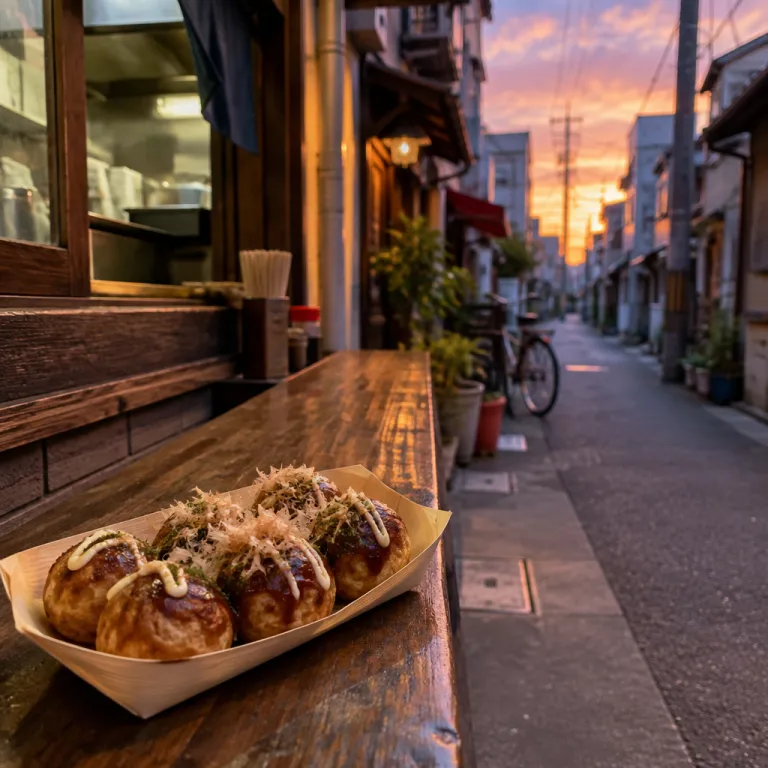
- Street food such as takoyaki, sold in portions of six to eight pieces, commonly costs about 500 JPY at stalls in neighborhoods like Shinsekai or Ura Namba, allowing travelers to keep individual meal costs under 1,000 JPY while still eating local specialties. This ballpark matches menu boards you will see on the ground in most central districts.
- Using city transport passes such as the Osaka Amazing Pass or the Enjoy Eco Card can significantly reduce per-ride costs on subways and buses, especially for travelers staying slightly outside the core, because unlimited travel days offset the distance from backstreet hotels to major sights. Check the latest prices and coverage maps on official transport channels before you buy, as conditions and discounts change over time.