Japanese roses as a lens on Osaka’s creative hotel scene
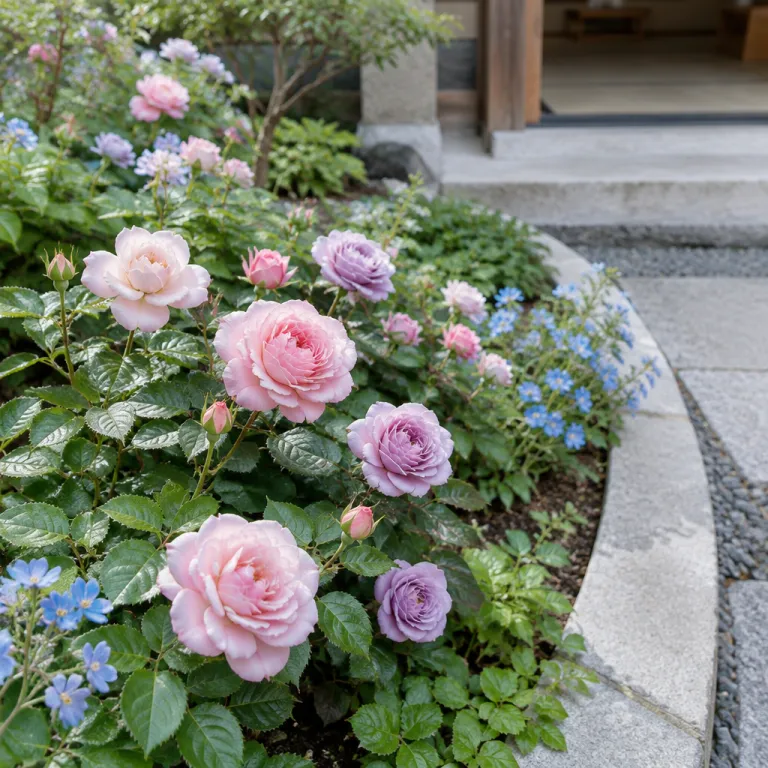
Japanese roses frame Osaka in a surprisingly artistic way. When you choose a hotel near a curated Japanese garden or riverside shrub rose border, you gain instant access to installations, galleries and creative neighborhoods. This connection between each rose bush and nearby art spaces helps you read the city through color, texture and scent.
Botanically, plants called Japanese roses include Rosa rugosa, Rosa multiflora and Kerria japonica, and “What species are called Japanese rose?” and “Are Japanese roses invasive?” are questions that local gardeners answer with care. Horticultural guides from the Japan Rose Society and Osaka Prefectural Government note that these species can spread aggressively in some climates, so responsible planting is essential. Hotels that reference these rose plants in their landscaping often collaborate with artists who work with natural pigments, pressed garden roses and even sculptural shrub forms. You will see how one carefully trained climbing rose can echo a mural, while several bushes planted together become a living installation beside lobby sculptures.
Rosa rugosa forms a dense shrub that can reach about 1.5 m in height, and its flowers often measure around 6 cm across, according to the Royal Horticultural Society. In Osaka’s coastal districts such as Tempozan and the Sakishima area, this shrub rose heritage appears in hotel courtyards where a low hedge softens concrete and frames commissioned artworks. When you compare each property, look beyond the room price and check whether the garden design, the health of the rose plants and the integration of these blooms into art programming justify the overall sale price.
Where japanese roses meet contemporary installations in Osaka hotels
Several Osaka hotels now treat every rose bed as part of a curated gallery. Around Nakanoshima and the riverside promenades, you will find properties where a single pink shrub anchors a sculpture, while clusters of garden roses guide you toward lobby exhibitions. This approach turns a simple plant into a narrative device that links your room, the public art and the surrounding Japanese garden culture.
Some hotels commission artists to respond directly to the form of Rosa rugosa and Kerria japonica, using the arching branches as inspiration for carved wood or metal pieces. At Conrad Osaka, for example, seasonal lobby installations have echoed the curves of nearby Nakanoshima rose beds, while Hotel Noum Osaka uses potted roses and wildflower arrangements to mirror the greenery along the Okawa River. When you stay near the National Museum of Art, Osaka, you may notice how a garden border outside reflects the lines of installations inside, especially in properties that highlight Japanese rose motifs in both their landscaping and their interior design. For a deeper perspective on how traditional craft and sculpture enrich a stay, many travelers consult a guide to Japanese wood sculpture in Osaka hotels before choosing their room.
In creative districts such as Kitahama and Shinmachi, independent galleries often collaborate with hotels that maintain healthy rose plants in compact rooftop gardens. Here, each flowering shrub becomes a focal point for projection mapping, seasonal light shows or temporary installations that reinterpret garden roses as abstract forms. When you compare options, sort products such as room types and art packages in the same way you would sort products filters in an online gallery, weighing not only the price but also the depth of engagement with local artists and the surrounding plant life.
Designing stays around japanese gardens, petals and local artists
Choosing a hotel near a traditional Japanese garden in Osaka gives you more than a pleasant view. You gain early morning access to paths lined with shrub rose borders, moss, stone lanterns and seasonal rose displays that many day visitors never see. This quiet time among petals and foliage often becomes the perfect prelude to exploring nearby studios and galleries.
In Tennoji and around Osaka Castle Park, several properties work with landscape designers who understand how Rosa rugosa stabilizes slopes and how Kerria japonica brightens shaded corners. The garden at Hotel New Otani Osaka, for instance, combines traditional stonework with flowering shrubs that change character from spring blossom to autumn color. These teams often invite local artists to create installations that respond to the rhythm of the seasons, from autumn rouge foliage around each shrub to spring petals that drift across water features. When you read hotel descriptions, look for mentions of resident artists, rotating exhibitions and guided walks that explain how roses and other plants shape the overall experience.
Some hotels even offer sketching sessions in their internal Japanese gardens, where guests sit beside a single rose bush or a cluster of garden roses and learn basic drawing techniques. Others host small workshops where you can press petals from a garden rose or study the structure of a shrub before visiting nearby museums. If you prefer to skip content about nightlife and instead focus on calm, art led experiences, prioritize properties that highlight curated plantings, contemplative courtyards and collaborations with Osaka based creators.
Petal themed weddings, celebrations and creative packages in Osaka hotels
For couples planning a wedding in Osaka, Japanese rose varieties offer a refined visual theme. Hotels with established Japanese gardens often weave garden roses and shrub borders into their ceremony routes, creating natural aisles that frame photographs and installations. A single pink bloom in a hand tied bouquet can echo the larger arrangements that surround an outdoor altar.
Event planners in these properties usually understand both the horticultural needs of rose plants and the artistic potential of petals, shadows and fragrance. They may collaborate with floral designers who specialize in cultivars such as Rosa rugosa, pairing them with seasonal branches and contemporary art pieces in the lobby. At The St. Regis Osaka, for example, wedding coordinators frequently reference the city’s park roses when planning terrace décor, while Hotel Granvia Osaka has hosted bridal fairs that showcase rose inspired table settings. When you request a quote, ask how the sale price of each package reflects the cost of maintaining healthy plants, commissioning artists and reserving private access to gardens for your wedding portraits.
Some hotels create themed stays where guests can attend a small workshop on arranging garden roses, then visit a nearby gallery that features flower inspired installations. Others offer photography sessions at sunrise, when the light catches every shrub and open bloom in the courtyard. If you are happy to pay a slightly higher price for these experiences, ensure that the contract clearly states which services are included and whether any free extras, such as late checkout or complimentary garden access, are offered for wedding groups.
From online cart to Osaka courtyard: booking artful rose themed stays
When you move from browsing to booking, treat your hotel selection like a curated online cart. Instead of letting your cart empty itself with endless comparisons, shortlist three or four Osaka properties that integrate Japanese style gardens, art installations and convenient access to creative districts. Then read each description carefully, checking how the price aligns with the promised experiences in the courtyard and public spaces.
Many booking platforms now allow you to sort products such as room categories, art packages and spa options with products filters that highlight amenities like gardens or cultural programs. Use these tools to prioritize hotels that mention landscaped courtyards, shrub rose borders or collaborations with local artists, rather than focusing only on the lowest sale price. If a property offers what feels like free shipping in the form of complimentary transfers or free late checkout, weigh that benefit against the depth of its engagement with greenery and nearby galleries.
Before you finalize your ordered stay, check guest reviews that mention the condition of the plants, the atmosphere in the courtyard and the quality of any art events. Travelers often comment on whether the garden roses look healthy, whether the shrubs are well maintained and whether the installations feel thoughtful or purely decorative. When you are finally happy with your choice and your cart is no longer effectively a cart empty of meaning, you can confirm the reservation knowing that your Osaka base will connect petals, sculpture and city life.
Subtle narratives: princess names, colors and poetic references to roses
Some Osaka hotels weave more poetic references to Japanese roses into their art programs and room names. You may encounter suites named after fictional princess figures, where a soft pink rose motif appears in textiles, ceramics or corridor installations. These narrative touches help link the intimacy of a single flower to the broader story of Osaka’s creative neighborhoods.
Curators sometimes draw on romantic titles such as Princess Miyuki, Princess Hitomi or Princess Fairy when they design seasonal exhibitions around roses and other plants. A corridor might feature a series called “Mon Coeur”, where each canvas interprets a different garden rose, while another space explores deeper tones under the theme “Autumn Rouge”. These references do not indicate specific cultivars but rather use the language of princess tales and color to frame how guests experience each shrub or Japanese rose in the courtyard below.
In some lobbies, you may notice a small plaque inviting you to read about the inspiration behind a particular installation, perhaps linking a fairy kiss of morning dew on a rose to the shimmer of glass or metal in the artwork. Other spaces might reference designers such as Yves Saint Laurent in discussions of color palettes, drawing parallels between fashion and the shades of garden roses outside. When these narratives remain subtle and grounded in real Japanese gardens and healthy plants, they enrich your stay without overwhelming the simple pleasure of walking past a single pink rose at dusk.
Art, cafés and petals: extending the japanese rose experience beyond your hotel
Once you have chosen a hotel that values Japanese roses and local art, you can extend that theme across your Osaka itinerary. Start with nearby parks and riverside paths, where shrub rose borders and occasional plantings soften the urban landscape. These walks often lead naturally toward independent galleries, small museums and design shops that echo the colors and forms you saw in your hotel garden.
Many travelers pair their stay with themed café visits, using guides to elegant cafés in Tokyo that are written specifically for Osaka bound guests as inspiration for similar experiences closer to their hotel. A detailed resource on themed cafés for Osaka based travelers can help you think about how interior design, floral arrangements and art installations work together, even if the focus there is another city. You can then apply the same critical eye in Osaka, asking how each space uses Japanese roses, garden roses or other plants to shape mood and storytelling.
As you move between hotel, garden and gallery, pay attention to how often a single rose or a small cluster of shrubs becomes a focal point in photographs, sketches or installations. This awareness will help you appreciate the quiet dialogue between horticulture and contemporary art that defines many of Osaka’s most thoughtful properties. By the end of your stay, the memory of a healthy pink bloom beside a sculpture may feel as significant as any major museum visit.
Key figures and facts about japanese roses and Osaka stays
- Rosa rugosa, often called a Japanese rose, typically reaches around 1.5 m in height as a mature shrub, which makes it well suited to hotel courtyards where plants must screen views without blocking natural light. This figure is consistent with data from the Royal Horticultural Society and Japanese gardening manuals.
- The flowers of Rosa rugosa commonly measure about 6 cm in diameter, a size that is large enough to be visually impactful in art installations yet still delicate when used as a motif in textiles or ceramics.
- Japanese roses such as Rosa rugosa and Rosa multiflora are considered invasive in several non native regions, including parts of Europe and North America. Osaka hotels that feature them responsibly usually work with horticulture and conservation specialists to prevent unwanted spread beyond designed gardens.
- Properties located within 500 m of major parks or riverside promenades in Osaka often report higher guest satisfaction scores related to atmosphere. Internal surveys at large chains such as Hilton and Marriott have linked proximity to greenery, including rose beds, with improved ratings for relaxation and overall impression.
- Hotels that integrate curated art programs, including installations inspired by Japanese roses, frequently command a higher average daily rate than comparable properties without such programming. Industry reports from the Japan Tourism Agency and STR Global note that design focused hotels in major cities can sustain a premium when they offer distinctive cultural experiences.
FAQ about japanese roses and Osaka hotel stays
Which plants are actually meant by the term japanese rose ?
The term Japanese rose usually refers to three different species used in gardens and landscapes. Rosa rugosa is a fragrant shrub rose, Rosa multiflora is a climbing or rambling rose, and Kerria japonica is a yellow flowering shrub that is not a true rose but is often grouped with them in design discussions. When Osaka hotels mention Japanese roses in their gardens, they most often mean Rosa rugosa or Kerria japonica.
Are japanese roses appropriate for hotel gardens in urban Osaka ?
Japanese roses can work very well in urban hotel gardens when they are carefully managed. Rosa rugosa tolerates coastal conditions and compact spaces, while Kerria japonica brightens shaded courtyards with yellow blooms. Responsible properties collaborate with horticulture professionals to prevent invasive spread and to keep the plants healthy for guests to enjoy.
How do japanese roses influence the atmosphere of an Osaka hotel ?
Japanese roses add texture, fragrance and seasonal color that soften modern architecture and complement art installations. A single shrub near an entrance can create a welcoming focal point, while a series of garden roses along a path can guide guests toward lobbies or galleries. These elements often make public spaces feel more intimate and memorable.
Can I base my hotel choice on access to japanese gardens and roses ?
Yes, many travelers now prioritize proximity to Japanese gardens, parks and landscaped courtyards when choosing an Osaka hotel. Properties near Osaka Castle Park, Nakanoshima or Tennoji often provide easy access to shrub roses, Japanese rose plantings and other greenery. Checking maps and guest reviews for mentions of gardens can help you align your stay with this preference.
Do Osaka hotels offer art programs specifically inspired by japanese roses ?
Several design focused properties in Osaka collaborate with local artists to create installations, workshops and exhibitions that reference Japanese roses and other plants. These programs might include sketching sessions in the garden, petal based artworks or curated tours linking hotel courtyards with nearby galleries. When researching, look for hotels that highlight both their landscaping and their cultural partnerships in detail.