Section 1 – Why Japanese masks and meanings matter when choosing your Osaka hotel
Japanese masks and meanings are not just museum pieces in Osaka. They shape how neighbourhood festivals, hotel-led cultural activities and even lobby art collections feel for a guest who wants depth. When you understand each mask meaning, you can choose a stay that turns one night into a refined cultural immersion.
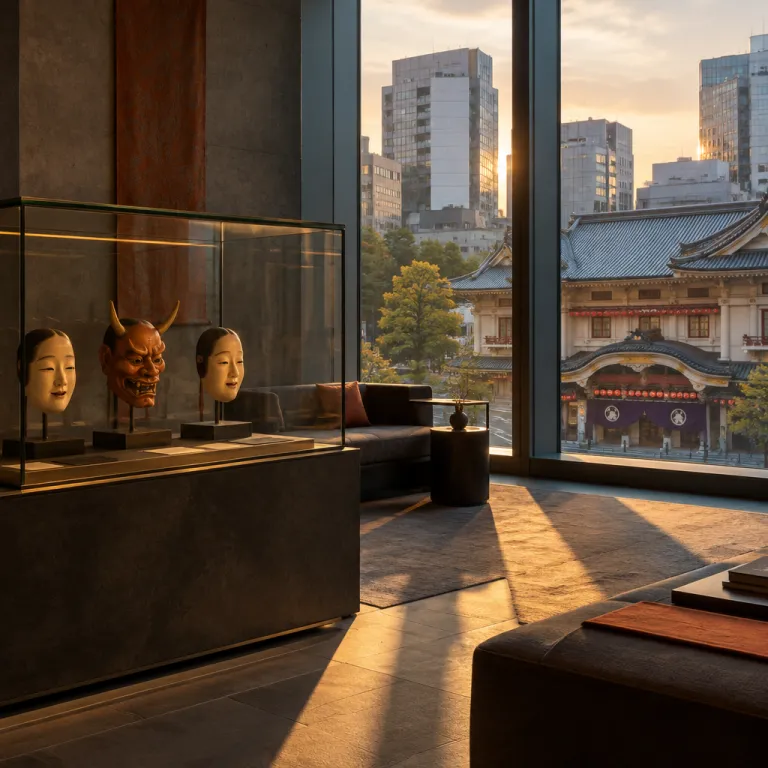
In Osaka, the history of the Japanese mask tradition runs through Shinto shrines, local folklore and the refined world of Noh theatre. Many hotels now curate small in-house exhibitions of traditional Japanese masks, sometimes featuring replicas of classic Noh mask designs or playful festival pieces. When a property highlights Japanese masks and meanings in its décor, it signals a commitment to authentic cultural storytelling rather than generic theming.
Look for hotels that collaborate with local shite actor schools or carvers, the craftsmen who shape each wooden mask face from cypress. These partnerships often lead to intimate demonstrations where you see how tilting a Noh mask changes its visual emotion. For a traveller, that kind of access transforms Japanese mask symbolism from abstract concepts into something you can feel at arm’s length.
Reading hotel descriptions through the lens of masks
When a hotel mentions Noh theater, Noh theatre or traditional Japanese performing arts in its description, pay attention. Properties that sponsor Noh mask performances or host lectures on Japanese demon folklore usually offer richer cultural programming overall. This matters if you want your room key to unlock more than just a bed and breakfast buffet.
Some Osaka hotels near shrines display oni mask or hannya mask replicas in public spaces, often linked to local good luck beliefs. Others commission contemporary Japanese tattoo–style artworks that reinterpret demon masks and tengu faces in a modern visual language. These details show that Japanese masks and meanings are woven into the property’s identity, not added as an afterthought.
Ask whether the hotel concierge can arrange visits to a mask collection, such as a small gallery or a private mask carver’s studio. A curated mask collection visit gives context to the oni, hannya and kitsune mask types you will later see in festivals or shops. For many guests, that context becomes the highlight of their Osaka stay.
Section 2 – Hotel led Noh theatre and mask experiences around Osaka
Osaka hotels increasingly act as cultural gateways, especially for Noh theatre and Noh mask experiences. Some properties partner with nearby stages to offer reserved seating for Noh theater performances, with English summaries and pre-show briefings. This is where Japanese masks and meanings come alive, as each mask meaning is explained before the curtain rises.
During these evenings, a shite actor wearing a Noh mask demonstrates how a slight tilt of the mask face can suggest joy, sorrow or fear. Guests learn that there are around 60 primary Noh mask types and roughly 200 models still in use, according to specialist archives such as The Noh (a reference site maintained by the National Noh Theatre in Tokyo). Understanding this structured mask collection helps you read the stage like a local, rather than just admiring the costumes.
Many hotel concierges can also arrange side trips to small mask workshops, where carvers use cypress wood, pigments and lacquer to create traditional Japanese pieces. Watching a demon mask or hannya mask emerge from a block of wood gives you a tactile sense of Japanese masks and meanings. It also clarifies why these objects are treated as spiritual tools rather than simple props.
Planning city tours that connect masks, shrines and passes
When you plan hotel-led city tours, ask for routes that link Noh theatre venues, shrines with oni statues and neighbourhoods known for festival masks. Some hotels design half-day itineraries that combine a morning Noh theater rehearsal visit with an afternoon stroll through shopping arcades selling playful Japanese mask souvenirs. This kind of route lets you see both sacred and popular sides of Japanese masks and meanings in one sweep.
For guests considering transport savings, evaluate whether a city sightseeing pass aligns with your cultural plans. Resources such as this detailed guide on the Osaka Amazing Pass value for hotel guests help you decide if multiple theatre and museum stops justify the cost. When your pass covers Noh theatre districts and mask-related museums, it becomes a tool for deeper cultural access rather than just a discount card.
Ask your hotel whether their guided tours include commentary on Japanese demon legends, oni hannya stories and the role of kitsune mask imagery at shrines. A well-briefed guide will explain how demon masks once served to ward off misfortune and invite good luck during agricultural festivals. That narrative thread makes every carved face on a gate or stage feel personally relevant to your stay.
Section 3 – From oni and hannya to kitsune: reading mask meanings during Osaka stays
Understanding the main Japanese masks and meanings will sharpen every walk through Osaka’s streets and temple grounds. The oni mask, with its horns and fierce face, represents an ogre-like Japanese demon often linked to misfortune or moral warnings. By contrast, the hannya mask shows a woman consumed by jealousy, frozen between human pain and demon rage.
Hotel guides sometimes quote specialists directly to help guests remember key archetypes. They might say, “What does a Hannya mask represent? Woman consumed by jealousy becomes demon” and “What is Oni? Horned ogre symbolizing evil or bad luck”. Hearing these lines before you attend a Noh theatre performance or shrine ritual makes each mask meaning easier to recognise.
Then there is the kitsune mask, inspired by the fox spirit that shifts between trickster and guardian roles in Japanese folklore. In Osaka, you will see kitsune masks at Inari shrines, in festival parades and even in cosplay events around youth districts. Hotels that offer guided shrine walks often explain how these fox faces can signal both playful mischief and protective good luck.
How hotels interpret demon masks and samurai imagery
Some Osaka properties decorate lounges with stylised demon masks or samurai mask motifs, blending traditional Japanese themes with contemporary design. A framed visual of a samurai mask next to a modern Japanese tattoo print of an oni hannya figure can feel striking yet coherent. When curated well, these pieces introduce Japanese masks and meanings without turning the lobby into a theme park.
Ask whether your hotel partners with local artists who specialise in Japanese tattooing, especially those who reinterpret hannya mask and oni mask designs. Their work often appears in limited edition prints or small exhibitions that guests can view between meetings or sightseeing. Reading the artist’s notes about Japanese demon symbolism, samurai honour and mask meaning deepens your appreciation of every painted face.
During summer, when festivals and outdoor performances intensify, consider properties that provide seasonal cultural briefings. Guides who understand both refined Noh mask traditions and lively street cosplay can help you navigate crowds comfortably. For practical seasonal advice, many hotels refer guests to resources such as this guide to refined Osaka summer travel tips for comfortable hotel stays.
Section 4 – Festivals, cosplay and hotel curated mask collections in Osaka
Osaka’s festivals are where Japanese masks and meanings spill from stages into streets. During major events, stalls sell everything from plastic anime-style masks to more traditional Japanese designs echoing Noh mask archetypes. Guests staying near shrine districts often wake to the sound of drums and the sight of masked dancers crossing narrow lanes.
Hotels that understand this rhythm will brief guests on the difference between sacred demon masks and playful festival versions. Staff may explain why some oni mask designs are meant to frighten away misfortune, while others simply add drama to a parade. This context helps you photograph a demon mask or kitsune mask respectfully, without treating it as a mere costume.
Cosplay culture adds another layer, especially in shopping areas where young people reinterpret Japanese demon and samurai mask imagery. You might see a hannya mask paired with streetwear or a tengu face integrated into a fantasy character. For many visitors, this blend of folklore, theatre and cosplay becomes one of Osaka’s most memorable visual signatures.
Hotel galleries and private mask collections
A growing number of upscale Osaka hotels curate a permanent or rotating mask collection in their public spaces. These collections often include replicas of Noh mask classics, stylised samurai mask pieces and contemporary Japanese tattoo–inspired artworks. Clear labels usually explain each mask meaning, from oni hannya themes to more serene faces representing deities or noblewomen.
Ask whether the property offers short guided tours of its Japanese mask collection for guests. A fifteen-minute walk with a cultural concierge can introduce you to the difference between Noh theatre masks, festival masks and demon masks used in shrine rituals. This kind of in-house education is especially valuable if your schedule does not allow for longer museum visits.
Some hotels also collaborate with local museums or the Nakajima-style mask galleries to offer priority entry or discounted tickets. These partnerships give guests access to expertly curated Japanese masks and meanings, supported by archival research and conservation work. When a hotel invests in such collaborations, it signals a serious commitment to cultural stewardship.
Section 5 – Japanese tattooing, mask tattoos and what they reveal about Osaka’s culture
For many travellers, Japanese tattooing offers another lens on Japanese masks and meanings during an Osaka stay. Local studios often feature designs based on hannya mask, oni mask and samurai mask motifs, each with a carefully explained mask meaning. Even if you do not plan to get a tattoo, visiting a reputable studio with a guide can be illuminating.
Artists will often describe how a mask tattoo can symbolise protection, transformation or the acceptance of inner demons. A demon mask placed on the back might represent the burden of past mistakes, while a kitsune mask on the arm could suggest adaptability and cleverness. These interpretations echo themes from Noh theatre and folklore, showing how traditional Japanese ideas continue to evolve.
Some hotels maintain relationships with vetted Japanese tattoo studios and can arrange observation visits or consultations. This ensures guests encounter Japanese tattoo artists who respect cultural protocols around sacred symbols and Japanese demon imagery. When handled thoughtfully, such experiences add nuance to your understanding of Japanese masks and meanings beyond the stage or shrine.
How hotels frame tattoos within cultural programming
Because tattoos still carry complex social meanings in Japan, responsible hotels frame Japanese tattooing within broader cultural education. A lecture might compare the visual language of Noh mask carving, festival masks and modern mask tattoo designs. Guests learn how the same oni hannya or tengu face can shift from feared demon to protective emblem depending on context.
Some properties host small exhibitions of Japanese tattoo flash sheets alongside photographs of Noh theatre performances and shrine festivals. This juxtaposition highlights how demon masks, samurai mask imagery and kitsune mask motifs travel across mediums and generations. For travellers, it underscores that Japanese masks and meanings are part of a living, adaptive culture rather than a frozen tradition.
If you are interested in this angle, ask your hotel whether their cultural concierge can arrange a themed city tour. Such a route might link a Noh mask display, a festival mask stall and a discreet Japanese tattoo studio in one afternoon. The result is a coherent narrative about how the Japanese mask continues to shape Osaka’s visual identity.
Section 6 – Practical hotel tips: etiquette, safety and respectful engagement with masks
Respectful engagement with Japanese masks and meanings begins the moment you check in. When you see a Japanese mask displayed near a lobby altar or shrine corner, treat it as a sacred object rather than décor. Do not touch, move or photograph such masks without permission, especially if they resemble shrine-style demon masks or venerable Noh mask pieces.
Many hotels provide short etiquette cards explaining how to behave during Noh theatre outings or shrine visits. These notes often remind guests not to touch sacred masks, not to obstruct performers and to remain quiet during key scenes. Following such guidance protects both the integrity of Japanese masks and meanings and your own experience as a respectful visitor.
If you are unsure whether a mask is sacred or purely decorative, ask the front desk or cultural concierge. Staff can explain which demon mask or kitsune mask displays are linked to local rituals and which are modern art. This simple question demonstrates cultural sensitivity and often opens the door to deeper conversations about mask meaning.
Choosing the right neighbourhood and hotel services
Your choice of neighbourhood will shape how often you encounter Japanese masks and meanings during daily walks. Staying near shrine districts or traditional Japanese shopping streets increases your chances of seeing festival masks, cosplay gatherings and small theatre venues. Business districts, by contrast, may offer fewer spontaneous encounters but more curated in-hotel mask collection displays.
Consider whether you need halal food options, family-friendly services or late-night dining when selecting a property. Guides such as this practical overview of Osaka halal restaurants near hotels can help align cultural interests with dietary needs. Once the basics are covered, you can focus on hotels that excel at Noh theatre access, festival guidance and mask-focused city tours.
Finally, ask about language support for cultural activities, especially explanations of Japanese demon legends, oni hannya symbolism and Noh theatre plots. Hotels that provide bilingual guides or printed summaries make Japanese masks and meanings accessible without oversimplifying them. That balance of clarity and depth is what turns a comfortable stay into a genuinely enriching Osaka experience.
Key figures on Japanese masks and meanings in Osaka
- Specialist archives such as The Noh identify around 60 primary types of Noh mask, giving structure to the main characters you will see in Noh theatre performances.
- Across variations, there are roughly 200 models of Noh masks still in active use, which explains the rich diversity of faces encountered in Osaka stages and collections.
- Mask carvers typically work with cypress wood, pigments and lacquer, a combination that has supported Japanese mask traditions since at least the Heian and Muromachi periods.
- Hotel guests who attend guided Noh theater performances with pre-show explanations report significantly higher satisfaction, because each mask meaning is clarified before the play begins.
FAQ about Japanese masks and meanings for Osaka hotel guests
What does a Hannya mask represent in Osaka performances?
In Osaka’s Noh theatre and related arts, the hannya mask represents a woman transformed into a demon by overwhelming jealousy and grief. Its sharp horns, metallic eyes and twisted mouth show both rage and lingering human sorrow. Seeing a hannya mask on stage becomes more powerful when a guide explains this emotional duality beforehand.
How many types of Noh masks are there?
Specialist sources such as The Noh describe around 60 primary Noh mask types, covering deities, demons, spirits, men and women. Within those categories, there are roughly 200 individual models still used by shite actor schools. This structured variety allows Osaka performers to express subtle differences in age, status and emotion through each carved face.
Can hotel guests visit mask carvers or workshops in Osaka?
Yes, many Osaka hotels with strong cultural programmes can arrange visits to local mask carvers’ workshops. Guests can watch artisans carve a Noh mask or demon mask from cypress wood, then apply pigments and lacquer. These visits give a tangible sense of how Japanese masks and meanings are crafted by hand rather than mass produced.
Are festival masks in Osaka considered sacred?
Some festival masks, especially those used in shrine rituals or carried on portable shrines, are treated as sacred. Others, such as plastic anime-style masks sold at stalls, are purely playful souvenirs. When in doubt, assume a mask is important and ask a guide or hotel staff before touching or photographing it.
How should I behave during a Noh theatre performance arranged by my hotel?
Remain quiet, avoid flash photography and follow any instructions provided by your hotel or the venue. Arrive early enough to read summaries of the plot and mask meaning, which many Osaka hotels now supply in English. Respecting these norms ensures you and other guests can fully appreciate Japanese masks and meanings on stage.