Why Osaka is the ideal city to savour exceptional sushi
Osaka rewards travellers who care about where they eat and sleep. The city’s long trading history shaped a food culture where sushi, sashimi and seasonal produce must reach a consistently high quality. For someone choosing a hotel, understanding how the best sushi restaurants in Osaka fit into each neighbourhood helps you plan evenings that feel effortless yet memorable.
Locals still call Osaka the nation’s kitchen, and that spirit lives on in every serious sushi restaurant. Around Namba, Umeda and Kitashinchi, you will find a dense row of counters where chefs handle tuna with quiet precision and serve nigiri and sushi sashimi sets that respect both texture and temperature. Staying near these districts lets you enjoy a full evening that moves smoothly from pre-dinner shopping to a late counter seat without long transfers.
For hotel guests, proximity matters as much as taste when choosing among the top sushi restaurants. A short walk from your room to a trusted sushi restaurant in Osaka means you can enjoy a second cup of tea or sake without watching the clock. One concierge near Namba Station describes walking guests personally to a favourite counter on rainy nights, while another in Umeda keeps a handwritten list of Japanese restaurants with English menus that welcome first-time visitors, offer relaxed atmosphere and feel comfortable for both friends and family.
Staying near Osaka’s essential sushi districts
Choosing a hotel near the right streets can transform how you enjoy sushi in Osaka. Around Namba and Dotonbori, compact lanes hide small restaurants where you can eat excellent rolls and sashimi before strolling back along the canal. Umeda, by contrast, offers polished towers where a single floor may host several sushi restaurants with very different atmosphere and price points.
In Namba, counters such as Harukoma Sushi and Sushizanmai Namba offer lively rooms and generous portions, while Kuromon Ichiba Market stalls serve quick tuna bowls for guests who want to eat lightly between shopping stops. Near Osaka Station in Umeda, places like Endo Sushi at Osaka Station City, Sushidokoro Jinsei and Sushiyoshi attract visitors who value refined omakase and carefully balanced sushi sashimi courses. Kitashinchi, a short walk from Umeda, hides intimate restaurants such as Sushi Hayata and Sushi Kappo Yoshitomi, where reservations are essential and the atmosphere feels quietly luxurious.
Guests who value convenience often prefer hotels close to Namba Parks or Osaka Station City, because these complexes combine dining and shopping in one vertical space. You can browse department store food halls for tuna and sushi bento at lunchtime, then return in the evening for a counter seat at a top restaurant without ever leaving the building. This layout suits friends and family groups who split up during the day yet reunite easily for dinner.
If you follow a plant-forward or mixed diet, it helps to understand the broader dining landscape around your hotel. Guides such as this dedicated Osaka vegan restaurants resource for hotel guests show how sushi restaurants sit alongside vegetarian and vegan options in each district. When you compare hotels, ask whether staff can explain menus in English and suggest both refined sushi counters and alternative restaurants so everyone at the table can enjoy the evening.
How to read sushi menus and order with confidence
Many of the best sushi restaurants in Osaka still focus on the chef’s choice format, which can feel intimidating at first. In practice, omakase simply means trusting the itamae to serve a balanced row of pieces that follow the day’s market rhythm. Hotel concierges can often call ahead to confirm the approximate price, the length of the meal and whether an English menu or basic explanations are available.
When you sit down, you will usually receive a wooden board or printed menu listing seasonal fish, from lean tuna to richer cuts and local white fish. If you prefer to eat lightly, you can request more sashimi and fewer rice-based rolls, or ask the chef to keep the progression short but focused on quality. Travellers who enjoy raw fish should mention any allergies clearly, because many restaurants use shared sauces and garnishes.
Guests who follow halal guidelines or avoid alcohol will find it helpful to research in advance. Resources such as this Osaka halal food guide near hotels explain which restaurants understand specific needs and how to phrase requests politely. When you book your hotel, ask whether staff can help you choose sushi restaurants that respect these preferences while still offering a delicious and authentic Japanese experience.
In room sushi and local breakfast experiences for hotel guests
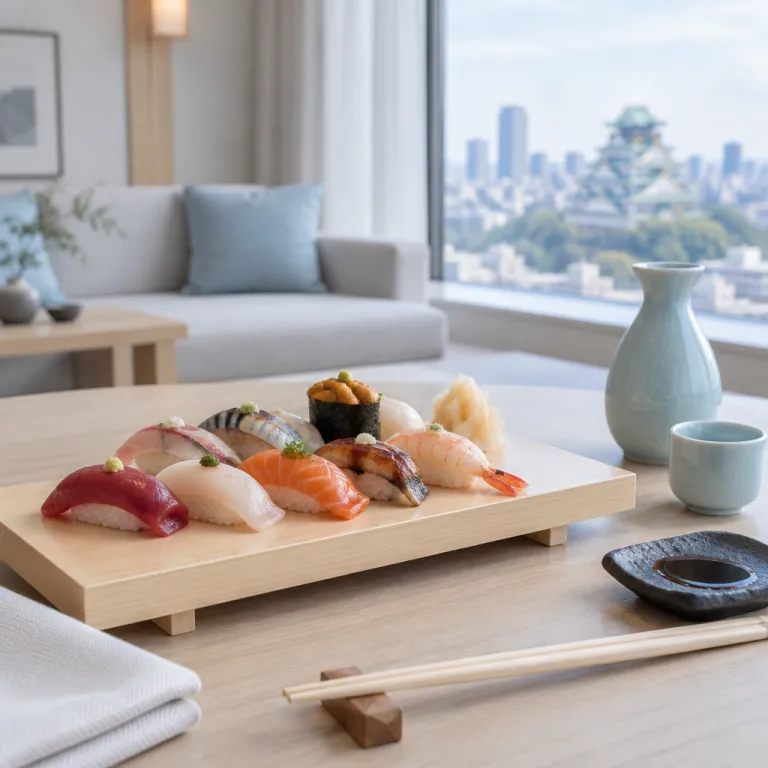
Some higher-end hotels in Osaka now collaborate with nearby sushi restaurants to offer in-room dining that goes far beyond standard room service. Pre-ordered trays of sushi and sashimi arrive in lacquered boxes, with each row arranged to preserve temperature and texture during the short journey. This option suits travellers who land late, families with young children and business guests who want to eat well while reviewing documents in a quiet atmosphere.
When you evaluate hotels, ask whether their in-room menu includes fresh nigiri or only generic rolls. Properties that work with reputable counters usually highlight the provenance of tuna, seasonal shellfish and rice, and they often limit quantities to maintain quality. You may pay more than at casual restaurants, but the comfort of eating in your robe while watching the city lights can feel perfect after a long travel day.
Breakfast deserves equal attention, because it shapes how you experience Japanese food culture from the moment you wake. Many hotels now serve local-style sets that include grilled fish, rice, miso soup and sometimes a small portion of sashimi, giving you a gentle introduction before you tackle the top sushi restaurants in Osaka at night. When travelling with friends or family members who prefer Western options, look for buffets that balance Japanese dishes with eggs, fruit and pastries so everyone starts the day satisfied.
Planning elegant sushi evenings around your Osaka itinerary
Thoughtful planning lets you align sightseeing with reservations at the best sushi restaurants in Osaka. If you spend the afternoon in Umeda, for example, you can schedule an early omakase near Osaka Station, then return to your hotel on foot or by a short taxi ride. Travellers based near Namba might combine an evening river cruise with a late seating at a nearby restaurant that stays open past typical office hours.
For a simple two-day plan, you might spend day one exploring Osaka Castle and Umeda, then enjoy dinner at a sushi restaurant inside Osaka Station City so you can walk back to your room. On day two, visit Namba and Dotonbori for shopping, snack on quick rolls at Kuromon Ichiba Market, then book a more formal counter in Kitashinchi, returning to your hotel by a short train ride. This rhythm keeps transfers light while still giving you time to enjoy a full Japanese meal each night.
For day trips by rail, it helps to anchor your schedule around meals rather than attractions alone. This detailed guide to refined rail day trips from Osaka shows how to pair excursions with relaxed dinners back in the city, so you never feel rushed at the sushi counter. Returning to a familiar hotel after a full day, then walking to a trusted restaurant that specialises in sushi, creates a rhythm that feels both efficient and indulgent.
When you travel with friends or family groups, consider alternating formal omakase nights with more casual sushi restaurants that serve rolls, tempura and cooked dishes. This pattern keeps costs balanced while still giving everyone a chance to enjoy top-level tuna and seasonal sashimi at least once. Ask your hotel to recommend places where staff speak some English and can adapt the menu slightly for less adventurous eaters without compromising the overall quality.
Evaluating sushi quality and value from a hotel guest’s perspective
From a hospitality standpoint, the best sushi restaurants in Osaka share a few clear traits. Fish arrives with a clean scent, rice holds its shape yet feels warm and yielding, and the chef watches how quickly you eat before placing the next piece. When you step in from your hotel, you should sense a calm atmosphere where both solo diners and friends or family groups feel equally welcome.
Value does not always mean the lowest price, especially when you consider the convenience of your hotel location. A mid-range restaurant two minutes from your lobby, serving excellent tuna and carefully prepared sushi, may offer better overall satisfaction than a cheaper option that requires multiple train changes. Pay attention to how staff handle reservations, explain the menu in English and respond to simple questions, because these details signal the level of care behind the counter.
As you compare options, remember that Osaka’s dining scene rewards curiosity and respect. Ask your concierge which sushi restaurants they personally enjoy on days off, and whether any places are particularly suitable for first-time visitors who want to eat at the counter. By aligning your hotel choice with nearby restaurants that prioritise quality, you create a stay where every evening feels perfectly tuned to your appetite and pace.
Key figures on sushi dining and hotel guests in Osaka
- According to the Osaka Convention & Tourism Bureau, the city hosts several thousand restaurants within the central wards, with a significant share dedicated to Japanese cuisine, giving hotel guests dense dining options within walking distance of major stations.
- Data from Japan’s Ministry of Agriculture, Forestry and Fisheries shows that tuna imports and domestic landings have remained strong over recent years, supporting a stable supply chain for high-quality sushi and sashimi in major cities such as Osaka.
- Surveys by the Japan National Tourism Organization indicate that food experiences rank among the top three reasons international visitors choose Japan, and many respondents specifically mention sushi as a must-eat dish during their stay.
- Hotel industry reports for Kansai suggest that properties with strong restaurant partnerships and curated local dining guides achieve higher guest satisfaction scores, especially among travellers who prioritise evening meals over other amenities.
FAQ about sushi restaurants and hotel stays in Osaka
Are reservations necessary at top sushi restaurants in Osaka ?
Reservations are strongly recommended at the most sought-after counters, especially on weekends and during peak travel seasons. Many smaller restaurants have limited seats and rely on a single row of counter chairs, so walk-ins can be difficult. Ask your hotel to call on your behalf, as staff can often secure times or suggest comparable alternatives nearby.
Can I find sushi restaurants with English menus near major hotels ?
Areas around Osaka Station, Namba and Shinsaibashi increasingly offer English menus or at least bilingual explanations of the main sushi and sashimi items. Larger hotels tend to work closely with nearby restaurants that welcome international guests and understand common dietary requests. When you check in, request a printed list or map of recommended places within a short walk.
What is a reasonable budget for quality sushi in Osaka ?
For lunch, you can often enjoy a satisfying sushi set at mid-range restaurants for a moderate price, especially in business districts. Dinner omakase at top counters will cost more, reflecting the quality of tuna, seasonal fish and the chef’s skill. Your hotel concierge can suggest options that match your budget while still delivering a delicious and authentic experience.
Is it acceptable to bring children to sushi restaurants in Osaka ?
Many casual sushi restaurants welcome children, particularly those that serve rolls, cooked dishes and set menus. Very small, high-end counters may prefer a quieter atmosphere, so it is wise to ask your hotel to confirm policies before booking. Families often find it easiest to choose early evening times, when the room is less crowded and staff can offer more attention.
How far in advance should I plan sushi dinners during my stay ?
For the most popular sushi counters in Osaka, booking a few weeks ahead is sensible, especially if your travel dates coincide with holidays or major events. More casual places near hotels can often accommodate same-day reservations or even walk-ins on weekdays. Once your accommodation is confirmed, share your preferred evenings with the concierge so they can align restaurant bookings with your sightseeing plans.