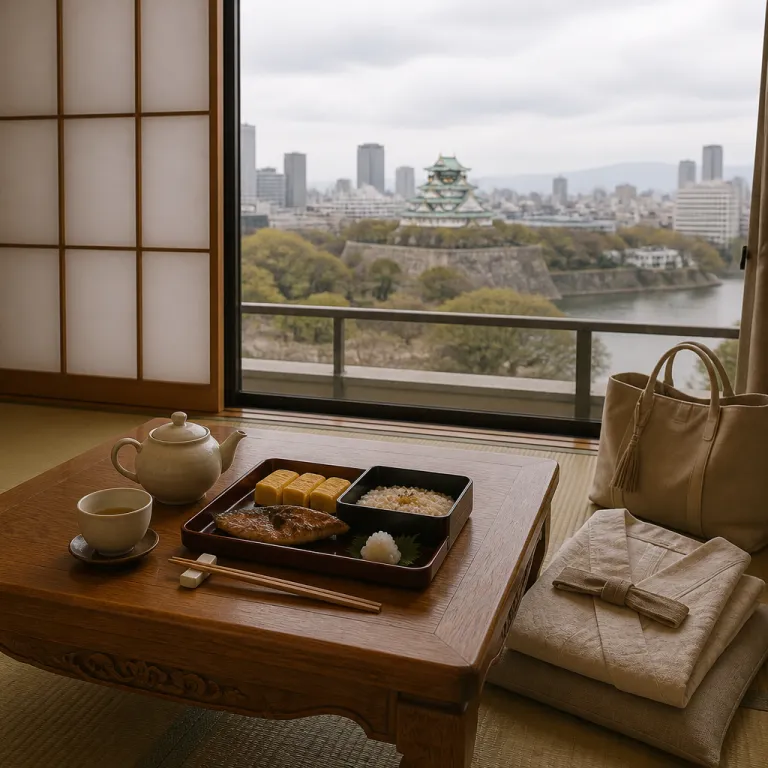
Planning your stay in Osaka for culture rich city days
Choosing where to stay in Osaka shapes every moment of your trip. For a traveller focused on refined things to do in Osaka, the right hotel location turns cultural activities and hotel-led city tours into effortless daily rituals. Think of your room not only as a place to sleep, but as a launchpad for curated experiences across this energetic city in Japan.
The best time to plan a culture-focused stay Osaka itinerary is usually in spring or autumn, when walking between a park, a temple and a restaurant feels comfortable and unhurried. The Osaka Tourism Bureau notes that “Spring (March to May) and autumn (September to November) offer pleasant weather.” This mild time of year lets you enjoy a full day of travel between Osaka Castle, Dotonbori and Umeda without rushing from station to station or hiding from humidity.
For most visitors, the first decision is whether to base the trip near Osaka Station and Umeda, or closer to Namba Station and Dotonbori in the south. A hotel Osaka side in Umeda offers fast rail links for a day trip to Kyoto, Nara or even a swift hop on the Shinkansen towards Tokyo Kyoto routes. Staying near Namba Station places you beside lantern-lit lanes, late-night street food and some of the most atmospheric things to do in Osaka after dark.
Historic Osaka Castle, serene parks and hotel led heritage walks
Any thoughtful list of things to do in Osaka for first-time visitors begins with Osaka Castle and its surrounding park. Many hotel concierges now arrange guided heritage walks that start from the lobby, continue by subway from Osaka Station or Namba Station, and arrive at the castle grounds in time for quieter morning views. This kind of curated experience turns a simple visit into a narrative about warlords, reconstruction and the modern city that grew around the keep.
Osaka Castle Park stretches over a wide area, so planning your itinerary with your hotel team helps you decide whether to focus on the main tower, the museum or the outer moats and gardens. On a clear day, combine the castle visit with a gentle stroll through nearby green spaces, then return to stay Osaka side for an afternoon rest before evening activities. Travellers who want a deeper experience often ask their hotel to arrange a historian-led tour, which can compare Osaka Castle with former strongholds in Kyoto or even with Edo-era sites in Tokyo.
For guests interested in photography, the best time to visit Osaka Castle is usually early morning on a weekday, when tour groups are fewer and the park paths feel calm. Some hotels in Osaka, Japan, now offer sunrise castle walks as part of cultural activity packages, including transport from the hotel Osaka base and a light breakfast on return. These hotel-led city tours often combine the castle with a nearby shrine or park, creating a full day of heritage-focused things Osaka visitors remember long after the trip ends.
Dotonbori, Hozenji Yokocho and hotel guided food adventures
For many travellers, the most vivid things to do in Osaka revolve around food, neon and narrow alleys. Staying near Dotonbori places you at the heart of the city, where hotel staff can arrange guided evening walks that move from the canal to Hozenji Yokocho and then into quieter backstreets. These curated routes help you taste Osaka best street food while avoiding the most crowded corners.
Hozenji Yokocho is a stone-paved lane behind Dotonbori, lined with small restaurants and a moss-covered statue at Hozenji Temple. A hotel-led tour might begin at Namba Station, weave through Kuromon Market for a look at fresh seafood, then continue to this alley for dinner and stories about old Osaka. Along the way, your guide can explain how Osaka became known as the kitchen of Japan, and why so many travellers now plan an entire trip around food experiences in this city.
Many hotels also curate themed evenings that combine Kuromon Market tastings with dessert stops such as a Bear Paw or Paw Cafe style venue, where playful branding meets sweet treats. These experiences are designed so guests can sample both savoury street food and lighter snacks without worrying about language or queues. When you stay Osaka side in Namba, it becomes easy to join such tours on multiple days, comparing different food routes and deciding which neighbourhood offers your personal Osaka best flavours.
Skyline icons: Umeda Sky Building, Abeno Harukas and city view tours
Osaka’s skyline offers some of the most atmospheric things to do in Osaka, especially for guests who enjoy structured hotel-led city tours. From a base near Osaka Station, it is simple to reach the Umeda Sky Building, often called Umeda Sky, with its floating garden observatory and open-air deck. Many hotels schedule evening departures so guests arrive just before sunset, watching the city lights emerge across the Kansai plain.
Abeno Harukas, located south of the centre, is another essential stop for travellers who want a complete Osaka experience from above. Some hotels combine Umeda Sky and Abeno Harukas into a single day itinerary, starting from a hotel Osaka base in Umeda, then crossing the city by train with commentary about neighbourhoods visible from each station. This style of curated travel helps you understand how Osaka connects to Kyoto, Nara and even the wider Tokyo Kyoto corridor through rail lines and commercial districts.
For guests who prefer a slower pace, hotel concierges can arrange private guides who focus on photography, architecture or urban history at both Umeda Sky and Abeno Harukas. These tours often include short walks through nearby streets, where you can sample local food or coffee before returning to your stay Osaka base. On clear days, you may even trace the outline of routes used for a future day trip to Kyoto Nara, turning a simple viewpoint visit into practical planning for the rest of your trip.
Universal Studios Japan and family friendly hotel experiences
For families and theme park enthusiasts, Universal Studios Japan ranks among the best things to do in Osaka. Many hotels now design packages that combine park tickets, timed entry advice and transfers from Osaka Station or Namba Station to the Universal City area. This approach turns a potentially complex day trip into a smooth, well-paced experience for all ages.
When you stay Osaka side in Umeda or Namba, ask your hotel team to help you choose the best time slot for entering Universal Studios, based on crowd patterns and your children’s ages. Some hotels even offer early breakfast services on park days, so families can arrive at the gates before opening and enjoy several major attractions before queues build. For guests combining Osaka with a wider Japan travel plan that includes Tokyo or Kyoto, this level of planning ensures the theme park day fits neatly into the overall itinerary.
After a full day at Universal Studios Japan, many visitors appreciate returning to a calm hotel Osaka environment with family-friendly dining options. Some properties offer themed kids’ menus inspired by park characters, while others focus on quiet lounges where adults can unwind after the noise and colour of the park. If your trip also includes a day trip to Kyoto or Nara, consider spacing those cultural days around the theme park visit, creating a balanced rhythm of high-energy fun and slower heritage-focused things Osaka and the Kansai region offer.
From Osaka to Kyoto, Nara and Tokyo: hotel based day trip strategies
One of the most strategic things to do in Osaka is to use the city as a base for day trips across Kansai. From a well-located hotel near Osaka Station, you can reach Kyoto in under an hour, Nara in a similar time and even connect to faster trains towards Tokyo. This makes a stay Osaka centred itinerary ideal for travellers who want both urban energy and easy access to temples, shrines and quieter towns.
Many hotels now offer dedicated travel desks that help guests design a multi-day itinerary linking Osaka, Kyoto, Nara and sometimes a short Tokyo Kyoto segment. Staff can advise on the best time to leave for each day trip, which station entrances to use and how to combine major sights without feeling rushed. For example, a Kyoto Nara combination might focus on Fushimi Inari and Nara Park one day, then reserve another day purely for Kyoto’s western temples, while evenings are spent enjoying food back in Osaka.
Hotel-led city tours sometimes extend beyond Osaka itself, with small group excursions that depart from the lobby and include transport, guides and timed entries. These curated experiences are especially valuable for guests who prefer not to navigate multiple station transfers alone, yet still want to see more of Japan than a single city. By returning each night to a familiar hotel Osaka base, you can unpack once, enjoy consistent service and still tick off many of the classic things Osaka visitors pair with wider Kansai travel.
Playful cafés, street food and hotel curated neighbourhood walks
Beyond headline attractions, some of the most memorable things to do in Osaka involve playful cafés and informal food stops woven into hotel-curated walks. In recent years, themed venues such as Bear Paw or a Paw Cafe style concept have become popular pauses between sightseeing stops. Hotel concierges often know which branches are quieter at certain times of day, helping you avoid long waits and enjoy a relaxed break.
Street food remains central to the Osaka experience, from takoyaki stands near Dotonbori to kushikatsu counters in Shinsekai and fresh bites at Kuromon Market. Many hotels now partner with local guides to offer evening walks that focus on safe, high-quality stalls, so guests can taste widely without worrying about where to start. These tours usually begin from a central station near your hotel Osaka base, then loop through several neighbourhoods before returning you to your room by late evening.
For travellers combining Osaka with Tokyo or Kyoto, these intimate food walks offer a contrast to the more formal dining often associated with those cities. They also provide a chance to ask guides about regional differences in food culture across Japan, from Kansai flavours to Kanto styles. When you plan your trip, consider reserving at least one free day with no major monuments, dedicated purely to wandering, tasting and enjoying the softer side of things Osaka residents love in their own city.
Key figures that shape Osaka travel and hotel planning
- Osaka welcomes many millions of visitors per year, according to the Osaka Tourism Bureau, which means booking a hotel near Osaka Station, Namba Station or Dotonbori well in advance is wise during peak seasons.
- Local restaurant associations estimate there are tens of thousands of eateries in the city, highlighting why food-focused things to do in Osaka can easily fill several days of your trip.
- Theme parks such as Universal Studios Japan and major sites like Osaka Castle contribute significantly to visitor numbers, so planning the best time of day for each visit helps you avoid long queues and maximise your experience.
- Public transportation, including JR lines and private railways, connects Osaka with Kyoto and Nara in under one hour, making a hotel Osaka base highly efficient for multiple day trip itineraries.
FAQ: planning hotel based things to do in Osaka
What is the best time of year to visit Osaka for sightseeing ?
Spring and autumn usually offer the most comfortable temperatures for walking between Osaka Castle, Dotonbori and Umeda Sky Building. These seasons also bring cherry blossoms or autumn leaves to many a park, enhancing hotel-led city tours. Summer can feel humid, while winter is quieter but cooler, so your ideal time depends on whether you prioritise weather or fewer crowds.
Is Osaka suitable for family travel with hotel based itineraries ?
Osaka is very suitable for family travel, especially when you choose a hotel near Osaka Station or Namba Station for easy transport. Universal Studios Japan, Osaka Aquarium and large parks provide full day activities for children. Many hotels offer family rooms, early breakfasts and concierge support for planning age-appropriate things to do in Osaka.
How many days should I plan to stay Osaka side for key attractions ?
A stay of three to four days in Osaka allows time for Osaka Castle, Dotonbori, Umeda Sky Building and at least one food-focused evening around Kuromon Market or Hozenji Yokocho. If you also want a day trip to Kyoto or Nara, consider adding one or two extra days. With five or six days, your hotel can help you balance major sights with slower neighbourhood walks and café stops.
What local food should I prioritise during my Osaka trip ?
Signature Osaka food includes takoyaki, okonomiyaki and kushikatsu, all of which appear frequently in street food areas and casual restaurants. Your hotel concierge can suggest specific stalls near Dotonbori, Kuromon Market or Shinsekai that maintain high quality and hygiene. Many travellers also enjoy visiting playful venues such as a Bear Paw or Paw Cafe style spot for desserts during a relaxed afternoon.
Can I use Osaka as a base for visiting Kyoto, Nara and Tokyo ?
Osaka works very well as a base for day trips to Kyoto and Nara, thanks to frequent trains from Osaka Station and Namba Station. Travel times are usually under an hour, allowing you to return to your hotel Osaka base each evening. For Tokyo, most visitors prefer an overnight stay there, but your Osaka hotel can help you plan a smooth Tokyo Kyoto or Osaka Tokyo rail connection within a wider Japan itinerary.
References
- Osaka Tourism Bureau
- Universal Studios Japan
- Osaka Castle Management