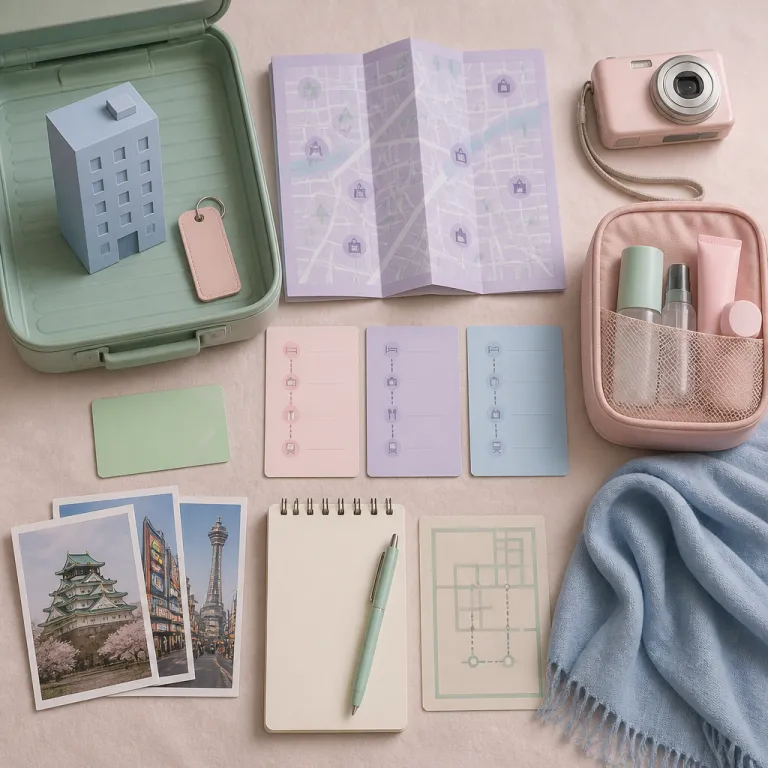
Designing an osaka itinerary 3 days around where you stay
Planning an osaka itinerary 3 days becomes far easier when you anchor it around your hotel location. By choosing a place to stay in central Osaka, you shorten travel time, unlock richer cultural activities, and make hotel led city tours a natural part of each day. This approach lets you balance the energy of the city with quiet moments in your room, which matters when you only have three days in Osaka Japan.
For many travellers, the best strategy is to stay Osaka side by side with your main interests, whether that means food, temples, or nightlife. If you want late night street scenes and classic Osaka food, a hotel in the Namba district or around Dotonbori street keeps everything within walking distance and turns every evening into an effortless mini tour. Travellers focused on museums, Osaka Castle, and easy access to Kyoto Osaka day trip options often prefer the Osaka station and Umeda area, where trains, metro lines, and airport links converge.
When you design your three-day Osaka itinerary around your hotel, you also make better use of guided experiences. Many properties now collaborate with the Osaka Tourism Board and Local Tour Guides to offer small group walks, digital guide access, and curated routes that start directly from the lobby, which is ideal when you only have three days. Walking tours, Osaka Metro rides, and short taxi hops then become tools that support your plan, not obstacles that eat into your limited days in the city.
Where to stay in Osaka for three days of culture and food
Choosing the right area for your osaka itinerary 3 days is the single most important decision before you book. The city is large, and each district offers a different rhythm, so your hotel choice will shape how you experience every day Osaka moment. Think of your room as a base for cultural activities, hotel led city tours, and easy access to the best food places you want to visit.
Namba is perfect if you want to stay Osaka in the middle of neon streets, Kuromon Ichiba market tastings, and late night ramen. From a Namba hotel you can walk to Dotonbori street, Hozenji Yokocho alley, and Kuromon Ichiba in minutes, which means you can join a morning food tour, rest at midday, then head out again for an evening guide led stroll without wasting time. For a casual lunch, look for okonomiyaki counters along Dotonbori or kushikatsu spots near Namba station, where menus are often available in English. This area also connects quickly to Osaka station and central Osaka by metro, so you can still reach Osaka Castle or the Umeda Sky Building on any day of your three days.
Travellers who prioritise calm evenings and easy day trip options often choose the Osaka station and Umeda area instead. Here, hotel concierges frequently arrange city tours that combine Osaka Castle, riverside walks, and sunset at the Umeda Sky Building, while JR lines such as the JR Kyoto Line make a Kyoto Osaka day trip straightforward. From Umeda, trains to Kyoto typically take around 30 minutes, and airport limousine buses depart roughly every 20 to 30 minutes in normal conditions. For more ideas on hotel based things to do in Osaka, including culture, food, and easy day trips, you can consult a detailed guide to hotel-based experiences in Osaka before finalising your itinerary.
Day one of your osaka itinerary 3 days: castles, streets and hidden alleys
Start the first day of your osaka itinerary with a focus on history and classic city views. After breakfast at your hotel, take the Osaka Metro or a short taxi ride to Osaka Castle, arriving close to opening time (usually around 9:00 a.m.) to avoid the largest crowds. From Namba or Umeda, the ride to Tanimachi 4-chome station on the Tanimachi Line typically takes 15 to 20 minutes, followed by a 10-minute walk through the park. The castle park offers wide lawns, moats, and seasonal flowers, while the main tower houses exhibits that explain how Osaka Japan grew into today’s dynamic city; allow at least two hours for the grounds and museum.
From Osaka Castle, head back toward central Osaka and choose a lunch stop that reflects the city’s love of casual food. Many hotel concierges can recommend specific places near Osaka station or in the Namba district where you can try okonomiyaki or kushikatsu, and some even arrange guided lunches with Local Tour Guides who explain each dish. Around Osaka station, basement food halls in major department stores are convenient for quick tastings, while in Namba you can follow the smell of grilled skewers toward side streets off Dotonbori. This is also a good time to confirm your travel insurance details and check your packing list, making sure you have comfortable shoes, a light jacket, and any medication you might need for the remaining days.
As evening approaches, shift your day Osaka focus from monuments to atmosphere. Walk through Dotonbori street, then slip into Hozenji Yokocho, a narrow stone lane where lanterns glow above small restaurants and the moss covered Hozenji temple offers a quiet pause. Many hotels in the area now offer short guided walks that end here, allowing you to experience both the bright lights and the intimate side streets within a single, carefully curated day. If you prefer to explore independently, plan to arrive around dusk, when neon signs reflect on the canal and queues for popular eateries are still manageable.
Day two: hotel led city tours, kuromon ichiba and sky high views
The second day of your osaka itinerary 3 days is ideal for immersive cultural activities that start directly from your hotel. Many properties partner with Local Tour Guides to offer morning walks through nearby streets, focusing on daily life, shrines, and small family run food stalls. Ask your concierge whether the hotel participates in these programmes, because joining one can turn an ordinary Osaka day into a deeper encounter with the city. Typical walks last two to three hours and often include a coffee stop at a neighbourhood café.
After your morning tour, make your way to Kuromon Ichiba, the most famous ichiba market in Osaka Japan. This covered market, often called the kitchen of the city, is lined with stalls selling fresh seafood, grilled skewers, fruit, and sweets, and it is one of the best places to taste Osaka food culture in a single visit. From Namba station, the walk takes about 10 minutes; from Umeda, the metro ride on the Midosuji Line is roughly 15 minutes. You can sample small bites as you walk, then sit down at a counter for a more substantial meal, which suits travellers who want flexibility during their three days. Aim to visit before early afternoon, when some vendors begin to sell out or close.
Later in the day, head toward the Umeda area for a different perspective on Osaka. The Umeda Sky Building, sometimes simply called the sky building, offers an open air observatory with sweeping views over central Osaka, Osaka station, and the surrounding districts, especially beautiful at sunset. From Namba, the metro ride to Umeda usually takes around 15 minutes, followed by a 10-minute walk through underground passages. Many hotel led city tours end here, combining a guided walk through underground shopping streets with timed entry to the Umeda Sky observatory, so you can enjoy the skyline without worrying about tickets or timing; check with your hotel for current opening hours and last admission times.
Day three: day trips, temples and flexible hotel based planning
The final day of your osaka itinerary 3 days can either stay within the city or stretch into a day trip, depending on your interests. From Osaka station, frequent trains reach Kyoto in less than an hour, making a Kyoto Osaka combination very realistic even within three days. If you choose this option, ask your hotel to help you plan a route that includes at least one major temple and a quieter neighbourhood, so you avoid spending all your time in transit. Leaving early in the morning and returning by early evening keeps the day balanced and leaves room for a relaxed dinner back in Osaka.
Travellers who prefer to remain in Osaka can use the third day to explore lesser known districts and temples closer to their hotel. Some properties now offer themed city tours that focus on neighbourhood shrines, artisan workshops, and local markets, which can be especially rewarding if you have already seen the main places like Osaka Castle and Kuromon Ichiba. For example, a half day walk might combine a small riverside temple, a family run tofu shop, and a traditional sweets store, with time for questions and photos. Because these tours usually start and end at the hotel, they fit neatly into a relaxed final day Osaka schedule that leaves room for packing and last minute shopping.
Whichever option you choose, keep your packing list and travel insurance documents accessible on this final day. If you take a day trip to Kyoto, carry only what you need and leave larger bags at your Osaka hotel, using station lockers only when necessary. Back in the city, consider a final evening walk through your favourite street or district, letting the sounds and lights of Osaka Japan settle into your memory before departure. A simple farewell ritual, such as one last bowl of ramen near your hotel, can help mark the end of your three-day Osaka trip.
How hotels in Osaka curate cultural activities and guided experiences
Many hotels in Osaka Japan now see themselves as cultural hosts rather than simple places to sleep. They work closely with the Osaka Tourism Board and Local Tour Guides to design experiences that help guests understand the city within a short stay Osaka period. These programmes are especially valuable for travellers following an osaka itinerary 3 days, because they compress rich encounters into manageable time slots.
Common offerings include morning walks through nearby streets, evening food tours that start in the lobby, and half day Osaka city circuits that combine major sights with quieter corners. A hotel near Namba might focus on Kuromon Ichiba, Hozenji Yokocho, and Dotonbori street, while a property near Osaka station could emphasise Osaka Castle, riverside parks, and the Umeda Sky Building. Some hotels also provide digital guide access through apps or tablets, reflecting the growing innovation around integration of digital guides for independent exploration; these tools often include offline maps, suggested three-day Osaka itineraries, and audio commentary.
When evaluating these options, ask specific questions about group size, language, and whether temple or market visits are included. Smaller groups usually provide better access to guides, more flexible timing, and a stronger sense of connection to the city and its districts. By weaving one or two of these hotel led city tours into your three days, you transform a standard Japan itinerary into a personalised Osaka best experience that feels both efficient and deeply human.
Practical planning: transport, timing, packing list and insurance
A well structured osaka itinerary 3 days depends on practical planning as much as inspiration. Before you arrive in Osaka Japan, prepare a simple packing list that covers comfortable walking shoes, a compact umbrella, a light layer for cooler evenings, and any medication you might need. Include a small day bag for each day trip or city tour, so you can move easily through stations, markets, and temple grounds.
Public transport in Osaka is straightforward once you understand the main hubs. Osaka station and Namba station act as anchors for many lines, making it easy to reach central Osaka sights, the Umeda Sky Building, Kuromon Ichiba, and other key places within your three days. In typical conditions, most cross city journeys take 20 to 30 minutes, and trains run frequently from early morning until late at night. The Osaka Metro is efficient and easy to navigate, and JR lines such as the Osaka Loop Line connect major districts and transfer points.
Do not overlook travel insurance when planning your Japan itinerary, especially if you intend to join active walking tours or take a Kyoto Osaka day trip. Comprehensive coverage should include medical care, trip interruption, and protection for personal belongings, which becomes crucial if you are moving frequently between hotel, station, and city streets. With these details in place, you can focus your time and attention on the best experiences Osaka offers, confident that the practical side of your journey is secure.
Key figures for your three day stay in Osaka
- Osaka welcomes millions of domestic and international visitors each year, according to recent summaries from the Osaka Tourism Board, which means popular places like Osaka Castle and Kuromon Ichiba can become crowded during peak seasons.
- The city is home to dozens of Michelin recognised restaurants, based on the Michelin Guide for the Kansai region, underscoring why food focused hotel led tours and market visits are central to any serious Osaka itinerary.
- Spring from March to May and autumn from September to November offer the best balance of mild temperatures and lower humidity, making these periods ideal for walking heavy three day schedules.
- Most major districts, including Namba, Umeda, and the Osaka station area, are linked by the Osaka Metro, allowing you to cross the city in roughly 20 to 30 minutes in normal conditions.
FAQ about planning an osaka itinerary 3 days
What is the best time to visit Osaka for three days
Spring from March to May and autumn from September to November provide comfortable temperatures and relatively low humidity. These seasons are ideal for an osaka itinerary 3 days that relies on walking tours, market visits, and temple stops. You will still encounter crowds at major sights, but early starts and hotel based tours help you navigate them.
Is public transportation in Osaka easy to use for visitors
The Osaka Metro and JR lines are clearly signposted in English and connect all major districts. Stations such as Osaka station and Namba station act as central hubs, making it simple to reach Osaka Castle, Kuromon Ichiba, and the Umeda Sky Building within a single day. Purchasing an IC card or an Osaka Amazing Pass can streamline your movements and reduce queue time.
Should I buy travel insurance for a short Osaka trip
Travel insurance is strongly recommended even for a three day Osaka stay. Comprehensive coverage protects you in case of medical issues, lost luggage, or disruptions that affect hotel bookings and day trips. The small additional cost usually represents good value compared with the potential expenses of an uncovered incident in Japan.
Can I include a Kyoto day trip in an osaka itinerary 3 days
Yes, a Kyoto Osaka combination is realistic if you plan carefully. Fast trains from Osaka station reach Kyoto in under an hour, allowing time for at least one major temple and a walk through a historic district. To avoid fatigue, keep the rest of your Osaka days lighter and use hotel led tours to reduce logistical stress.
Is cash necessary in Osaka or are cards enough
Credit cards are widely accepted in hotels, department stores, and many restaurants across Osaka Japan. However, carrying some cash is advisable for smaller eateries, temple donations, and older market stalls, especially around Kuromon Ichiba and local streets. ATMs that accept foreign cards are common in convenience stores and major stations, so you can withdraw yen as needed.
References
- Osaka Tourism Board (accessed 2024)
- Japan National Tourism Organization (JNTO)
- Michelin Guide for Kansai region (latest available edition)