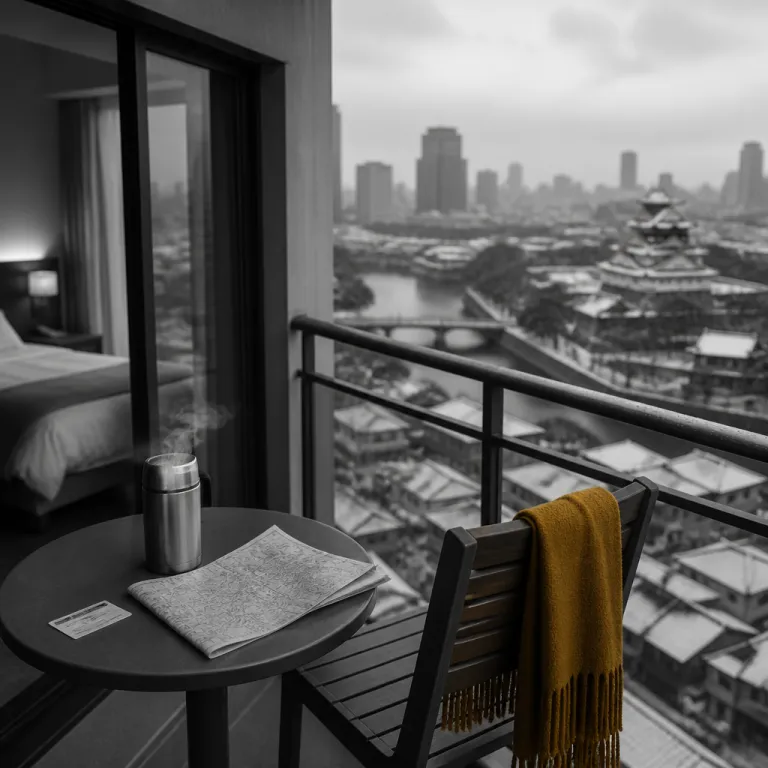
Osaka in winter: what to do from a hotel base
Osaka in winter invites a slower rhythm that suits thoughtful travellers. During a short stay or a full day in the city, the quieter streets and softer light create space to appreciate Japanese culture with more depth. For someone choosing a hotel, the question is not only how to spend a winter day in Osaka but how to turn every day and every night into a layered experience centred on where you stay.
Osaka city cools noticeably once the cold weather settles, yet the atmosphere remains warm thanks to lantern lit alleys and steaming food stalls. According to the Japan Meteorological Agency’s 1991–2020 climate normals for Osaka, the average winter weather in Osaka hovers around 5–10 degrees Celsius, which feels colder near the water and in the shadow of high towers in Umeda and around Osaka station. Selecting a hotel with easy access to covered arcades, underground malls, and hot springs style baths will transform winter Osaka from merely cold to deeply comforting.
For many visitors, the best winter Osaka memories start right outside the lobby doors. A central location in Osaka city allows you to walk to street food hubs, slip into a local park for a quiet morning, or reach Osaka castle and its gardens within a short train ride. When you plan what to do in Osaka during the colder months, think in layers of experience; combine outdoor views with indoor culture, balance hot pot dinners with brisk strolls, and use your hotel as a calm base between each activity.
Planning your winter days around Osaka castle and city parks
Osaka castle is the natural anchor when you map out winter sightseeing in the city. The castle park spreads over a wide area, and in the cold weather the broad paths feel almost contemplative, especially early in the day. From a hotel near Osaka station or in the central city, you can reach the park quickly via the Osaka Loop Line to Osakajokoen Station and still return in time for a hot drink before dinner.
In late winter Osaka, the first plum blossom trees begin to open in the Osaka castle plum grove. These delicate plum flowers appear before the famous cherry blossoms and offer a quieter, more local experience of Japanese seasonal change. Many hotels organise guided walks or self guided maps that lead guests through the plum grove, the main park, and up to the castle’s observation deck for a sweeping view of Osaka city under crisp winter weather skies.
When you plan a full day around Osaka castle, check the official opening hours in advance and ask your hotel concierge to confirm any seasonal changes or temporary closures. Some travellers prefer to visit the park in the morning, then continue to a nearby shrine for year prayers that seek good fortune for the months ahead. Others use the castle area as a starting point for day trips to neighbouring districts, returning to the same hotel each night to enjoy on site hot springs style baths or a steaming hot pot dinner.
For a structured route that links Osaka castle, central shopping streets, and evening food districts, many visitors follow a three day pattern similar to the itineraries described in this Osaka three day hotel based itinerary guide. A typical winter day might combine a morning walk in the castle park, an afternoon in nearby museums or indoor malls, and an evening in Dotonbori or Namba before riding the Osaka Loop Line back to your hotel. This type of plan helps you balance culture, city views, and rest so that each day in winter Osaka feels complete without being rushed.
Umeda views, underground warmth, and hotel led city tours
Umeda is Osaka’s vertical heart, and in winter the contrast between the cold streets and warm interiors becomes part of the experience. From many hotels near Umeda station or Osaka station, you can reach an observation deck within minutes and watch the city lights flicker through the clear winter air. The best known view comes from the Umeda Sky Building, where the open air deck gives a 360 degree panorama of Osaka city and the distant mountains.
Because the winter weather can feel sharp at higher levels, consider timing your visit for late afternoon when the sun still offers some warmth. Many hotel concierges arrange small group city tours that combine an indoor cultural stop, such as a Japanese tea demonstration, with an early evening ascent to an observation deck for sunset. These curated experiences answer the question of how to enjoy Osaka in winter by weaving together city views, local stories, and practical comfort like warm drinks and short walking distances.
Below street level, Umeda’s underground malls provide a different kind of winter Osaka experience. Long corridors link Osaka station, Umeda station, and major department stores, creating a sheltered world of food halls, fashion shopping, and casual Japanese restaurants that serve hot pot and other warming dishes. Hotel led walking tours often guide guests through this maze, pointing out the best value lunch sets in yen, seasonal sweets, and local street food counters where office workers queue even on the coldest day.
For travellers considering multiple paid attractions in one day, some hotels provide advice on transport and discount passes, including resources such as this practical guide to the Osaka Amazing Pass for hotel guests. Using such passes can make a full day of observation decks, museums, and short day trips more economical. It also allows you to focus on the experience rather than calculating every individual ticket in yen while standing in the cold.
Food, hot pot comfort, and winter street life around your hotel
When travellers ask how to spend time in Osaka during the colder season, local residents often answer with one word; food. Osaka has long been called the kitchen of Japan, and winter Osaka showcases this reputation through steaming bowls, sizzling grills, and fragrant hot pot dinners. Choosing a hotel near a lively dining district lets you step from cold streets into warmth within minutes, turning each evening into a relaxed culinary experience.
Street food culture remains strong even in the cold weather, especially in areas like Dotonbori, Shinsekai, and the lanes around Namba. You can snack on skewers, savoury pancakes, and other Japanese favourites while wrapped in a scarf, then retreat to your hotel lounge for a hot drink or a glass of local sake. Many hotels now offer guided evening walks that introduce guests to both classic street food stalls and quieter izakaya pubs where menus are written only in Japanese but staff are welcoming.
Hot pot, known locally as nabe, becomes a highlight of winter Osaka dining. Some hotels partner with nearby restaurants to offer set menus where guests can enjoy a shared hot pot filled with seasonal vegetables, tofu, and thinly sliced meat, often at a favourable price in yen. Others host in house hot pot nights that combine food with explanations of Japanese ingredients and regional culture, turning dinner into a gentle learning experience after a full day of sightseeing.
Breakfast also takes on special importance in the cold season, especially if you plan early starts for day trips or long walks through Osaka city. Look for hotels that serve both Japanese and Western options, including hot dishes that sustain you through the morning chill. When you return later, many properties provide complimentary hot drinks in the lobby, a small gesture that can feel like the best luxury after hours spent exploring in winter Osaka.
Hot springs, onsen style baths, and spiritual winter rituals
One of the most rewarding answers to how to enjoy Osaka in the cold months is to embrace water and warmth. While Osaka city itself has limited natural hot springs, many hotels either include large communal baths or partner with nearby onsen and super sento facilities. After a day in the cold weather, slipping into steaming pools becomes both a physical relief and a cultural experience rooted in Japanese bathing traditions.
Several urban hot springs complexes within Osaka offer indoor and outdoor baths, saunas, and relaxation lounges where you can spend a full day if you wish. Hotel concierges often provide discount coupons in yen or arrange shuttle services, making it easy for guests unfamiliar with local transport. For travellers who prioritise this kind of experience, resources such as this guide to choosing Osaka hotels with onsen and sento access can be invaluable during the planning stage.
Winter Osaka also invites quieter spiritual moments that many visitors overlook. Shrines across the city welcome residents who come to offer year prayers for good fortune, health, and success, and hotel staff can suggest nearby sites that feel authentic rather than overly touristic. Joining these rituals, even briefly, offers a different perspective on Japanese culture than museums or shopping, especially when the air is cold and incense smoke curls into the grey sky.
Some hotels now design cultural programmes that combine morning shrine visits, explanations of local customs, and optional participation in simple ceremonies. These experiences help guests understand why many Japanese people see winter as a time for reflection and renewal. When paired with evenings in hot springs or hotel baths, they turn a stay in Osaka city into a balanced rhythm of activity and rest that feels particularly suited to the season.
Day trips, Universal Studios Japan, and hotel based logistics
Questions about what to do in Osaka in winter often extend beyond the city limits, because the rail network makes day trips straightforward. From a hotel near Osaka station, you can reach Kyoto, Nara, or Kobe within an hour, enjoying different aspects of Japanese culture while still sleeping in the same bed each night. This approach works especially well in winter Osaka, when packing and unpacking in the cold can feel tiring.
Within Osaka city itself, Universal Studios Japan remains a major draw even in the cold weather. Many families choose hotels that offer direct shuttle buses or easy train connections to the park, allowing them to maximise their time on rides while minimising exposure to wind on platforms. Checking the opening hours in advance and planning a full day at the park helps you decide whether to allocate more yen to express passes or to warm sit down meals inside the grounds.
Other popular day trips from Osaka include visits to hot springs towns, coastal cities, or mountain temples that feel particularly atmospheric in winter. Hotels with experienced concierges can suggest routes that balance travel time, cost in yen, and the likely weather on a given day, ensuring that each excursion feels worthwhile. When you return, many properties offer laundry facilities, late night food options, or quiet lounges where you can unwind after long day trips.
For travellers who prefer to stay within Osaka but still want variety, some hotels curate themed city experiences over several days. One day might focus on food and shopping, another on parks and plum blossom viewing, and a third on architecture, observation decks, and river views. By anchoring these plans around your hotel location, you reduce transit stress and gain a clearer sense of how Osaka, winter, and city life intersect in everyday Japanese routines.
Shopping, yen savvy choices, and making the most of cold days
Shopping becomes both a practical activity and a form of shelter when you consider how to spend a winter day in Osaka. Osaka city offers a dense network of covered arcades, department stores, and underground malls where you can spend hours without facing the cold weather. Choosing a hotel within walking distance of at least one major shopping area ensures that even the chilliest day still feels productive and enjoyable.
Districts such as Shinsaibashi, Namba, and Umeda combine international brands with local Japanese labels, stationery shops, and speciality food stores. Many visitors use winter Osaka stays to purchase quality clothing, kitchenware, or cosmetics, often finding better value in yen than at home. Hotel staff can point you towards tax free counters, recommend the best times of day to avoid crowds, and highlight seasonal sales that align with your travel dates.
Food focused shopping also plays a role in the winter experience, from basement food halls in department stores to small markets near Osaka station. Here you can sample regional sweets, pick up packaged street food favourites, or buy ingredients for a simple picnic in a nearby park on a milder day. Some hotels offer small kitchenettes or communal lounges where guests can enjoy these purchases indoors, turning a cold afternoon into a relaxed tasting session.
When planning your budget in yen, remember to factor in small comforts that make winter travel smoother. Hot drinks from vending machines, hand warmers, and occasional taxi rides between the station and your hotel can significantly improve your overall experience. By combining thoughtful spending with strategic hotel location, you ensure that Osaka in winter feels less like an endurance test and more like a carefully curated city retreat.
Key figures for winter stays in Osaka
- Average daytime winter temperatures in Osaka range from about 5 to 10 degrees Celsius, according to the Japan Meteorological Agency’s 1991–2020 regional climate statistics for Osaka, which makes layered clothing and warm hotel facilities particularly valuable.
- Universal Studios Japan in Osaka has welcomed around 10 million visitors per year in recent seasons, based on attendance figures reported by the park’s operator up to 2023, so visiting on weekdays and arriving before official opening hours can significantly reduce queue times.
- Osaka’s population exceeds 2.7 million residents within the city limits, as reported by the Statistics Bureau of Japan’s 2020 census, which explains the dense transport network around Osaka station and Umeda station that benefits hotel guests in winter.
- Rail journeys from Osaka station to Kyoto typically take around 30 minutes on JR Special Rapid services, while trips to Nara average 45–50 minutes on the JR Yamatoji Line, making these classic day trips realistic even during shorter winter daylight hours.
- Many large Osaka department stores and shopping malls operate roughly 10:00–20:00 opening hours, according to information from major retail operators as of 2024, giving travellers ample time to combine sightseeing with indoor shopping on cold days.
FAQ: planning a hotel based winter trip to Osaka
Is Osaka worth visiting in winter for a short city break ?
Osaka is very rewarding in winter because crowds are lighter, hotel rates can be more favourable, and the city’s food and hot springs style baths feel especially comforting in the cold weather. With a well located hotel near Osaka station, Umeda, or Namba, you can easily reach Osaka castle, major shopping areas, and indoor attractions even on chilly days. The season also suits travellers who enjoy quieter parks, clear city views, and cultural rituals such as year prayers at local shrines.
Which area is best to stay in Osaka during winter ?
For most first time visitors, staying near Osaka station or Umeda station offers the best balance of transport, shopping, and dining, especially in winter. These hubs connect directly to Universal Studios Japan, Kyoto, Nara, and airport trains, while also providing extensive underground malls that protect you from the cold. Travellers focused on nightlife and street food might prefer Namba or Shinsaibashi, where many hotels sit within a short walk of covered arcades and late opening restaurants.
What should I pack for Osaka’s winter weather ?
Pack a warm coat, layered clothing, a hat, gloves, and a scarf, because Osaka’s winter temperatures feel colder when wind funnels between tall buildings. Comfortable waterproof shoes are useful for occasional rain and for long walks around Osaka castle park or Umeda. Many indoor spaces are well heated, so layers you can remove easily will keep you comfortable as you move between the cold streets and warm trains, shops, and hotel interiors.
How many days do I need in Osaka in winter ?
A stay of three to four nights works well for most travellers, allowing time for Osaka castle, Umeda views, food focused neighbourhoods, and at least one day trip or a full day at Universal Studios Japan. With this duration, you can also include a visit to hot springs or a super sento bath without rushing. Shorter stays are still worthwhile, but a longer visit lets you experience both the city’s energy and its quieter winter rhythms.
Are hot springs and onsen experiences easy to access from Osaka hotels ?
Yes, many Osaka hotels either include large communal baths or partner with nearby hot springs, onsen, and super sento facilities that welcome day visitors. Front desk staff can explain etiquette, provide towels, and sometimes offer discount tickets in yen, making the process straightforward even for first time visitors. If bathing culture is a priority, choose accommodation that highlights this feature in its description and ask specific questions before booking.