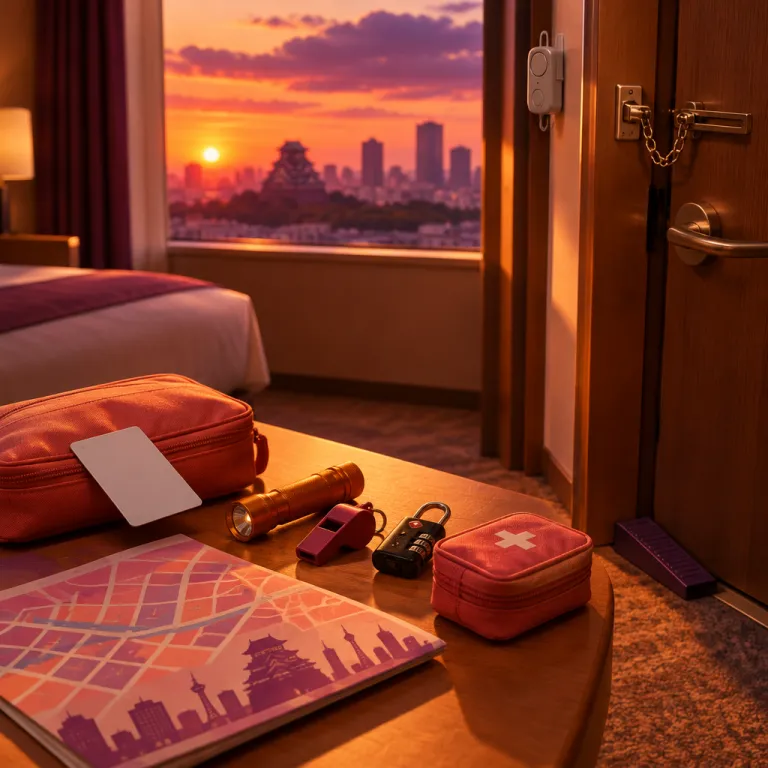
Is Osaka safe for tourists choosing a hotel stay
Osaka in Japan consistently ranks among the safest large cities worldwide, which reassures many first time visitors who worry about urban crime. The question “is Osaka safe for tourists” arises often, yet official crime statistics for Osaka Prefecture from the National Police Agency (NPA) show relatively low rates of violent offenses compared with many North American and European cities. For anyone planning a hotel stay, this overall Osaka safety profile shapes how you choose a district, a property, and even your nightly routine.
The city feels calm, efficient, and well organized, and that impression is backed by visible systems that support safety. You will notice koban police boxes at busy intersections in central Osaka, where officers provide directions, help with lost items, and respond quickly to minor incidents involving tourists. These small koban police posts, combined with extensive CCTV and a culture of respect for rules, mean that Osaka generally offers a secure environment for a solo trip, a family visit, or a late night return to your hotel.
For hotel guests, the most practical safety question is not only “is Osaka safe for tourists” but “how does that safety feel on the ground at night”. In central Osaka districts such as Umeda, Namba, and Shinsaibashi, streets around major stations are well lit, busy until late, and lined with food stalls and restaurants that keep foot traffic high. When you stay in these areas, you can walk back from dinner or a show at a reasonable late night hour and still feel that the city is functioning smoothly around you.
- Hotel safety checklist for skimmers: choose accommodation on or near a main road, within a short walk of a major Osaka Metro station; look for 24 hour staffed reception, keycard elevators, and visible CCTV in corridors and lobbies.
- Carry a hotel card with the address in Japanese and the nearest big station name (for example Osaka Umeda, Namba, or Tennoji), plus a note of Japan’s emergency numbers (110 for police, 119 for fire and ambulance).
- Before going out at night, check the last train times for your nearest Osaka Metro and JR lines, and save a reputable taxi app or phone number as a backup.
- Keep valuables in a hotel safe when possible, and carry only the cash and cards you need for the evening in a zipped, crossbody bag.
Hotel districts and how safe they feel after dark
Choosing where to stay in Osaka Japan has a direct impact on how safe you feel when you step out of your hotel at night. Umeda in northern central Osaka is the main business and transport hub, with wide avenues, well lit pedestrian routes, and frequent patrols by koban police officers. Many solo travelers and female travelers appreciate that Umeda’s mix of offices, department stores, and hotels keeps the area active but not chaotic, even at a late hour.
Further south, Namba and Shinsaibashi form the city’s entertainment heart, where Osaka night life, street food, and shopping blend into one dense urban scene. Here, the question of how safe Osaka is for tourists becomes more nuanced, because the crowds are livelier, the bars stay open late night, and visitors may drink more than they planned. Yet even in these busy streets, Osaka safety remains high, with well lit arcades, clear signage in English, and easy access to Osaka Metro stations that bring you back to your hotel quickly.
For a quieter stay, many travelers choose Tennoji or Osaka Castle Park areas, where residential streets and cultural sites replace neon and noise. Around Osaka Castle, paths are broad, parks close at set times, and the presence of joggers, families, and school groups during the day reinforces the sense that Osaka generally functions as a safe, lived in city rather than a tourist bubble. When you visit Osaka for a longer trip, combining a hotel near Osaka Castle with a second stay in Namba or Umeda can balance calm days with vibrant nights.
Solo and female travelers: how safe is Osaka in practice
For solo travelers, especially solo female guests, the core concern is not abstract crime rates but how it feels to walk alone from the Osaka Metro to a hotel entrance. In Osaka Japan, that walk is usually short, well lit, and lined with vending machines, convenience stores, and other late night markers of normal life. Many women report feeling more comfortable here than in other large Asian or European cities, because the level of street harassment is relatively low and public transportation is orderly.
Still, asking “is Osaka safe for tourists” remains valid, because no city is risk free and awareness matters. Solo travelers should choose hotels on main streets rather than down narrow alleys, and they should check that the route from the nearest Osaka Metro station passes through busy, well lit areas. When you book, look for guest reviews that mention solo female experiences, late check in, and how the staff handle safety questions, as these details reveal how well a property supports vulnerable guests.
Female travelers arriving from Tokyo or other parts of Japan often comment on Osaka’s more relaxed, outgoing character, which can feel both welcoming and slightly overwhelming. The city’s humor, food culture, and nightlife are part of its charm, yet they also mean that some bars and entertainment zones cater mainly to locals and may not suit every solo female visitor. Choosing hotel led cultural activities or guided evening walks can bridge this gap, allowing women to enjoy the best of Osaka night life while staying within curated, safe environments.
Hotel policies, late returns, and practical safety checks
When you evaluate whether Osaka is safe for tourists, pay close attention to how hotels manage access, information, and emergencies. Properties in central Osaka typically use keycard elevators, staffed front desks, and visible security cameras, which together create a controlled environment for guests returning late night. Before you book, check whether the hotel lobby is staffed twenty four hours, whether there is a clear policy for lost keys, and how the team supports guests who feel unwell or unsafe.
Many hotels in Osaka Japan now provide safety information in English, including maps that highlight well lit streets, nearby koban police boxes, and the closest Osaka Metro entrances. Some front desks will even mark recommended walking routes for solo travelers, especially women, who plan to enjoy street food or bars and then return on foot. These small gestures show that Osaka generally takes visitor safety seriously, not just as a statistic but as a lived experience for each guest.
For added peace of mind, consider travel insurance that covers medical care, theft, and trip interruptions, even though the risk of serious incidents in Osaka remains low. Travel insurance is particularly valuable for solo travelers and female travelers, who may rely more heavily on hotel support and local services if something goes wrong. When you combine robust hotel security, thoughtful staff, and a good travel insurance policy, the answer to “is Osaka safe for tourists” becomes a confident yes, grounded in both infrastructure and preparation.
For hotel guests considering city passes and transit, this practical guide to the Osaka Amazing Pass value for hotel guests explains how to use attractions and transport safely and efficiently.
Moving around safely: Osaka Metro, public transportation, and late nights
Public transportation in Osaka Japan is one of the city’s strongest safety assets, especially for tourists who prefer not to walk long distances at night. The Osaka Metro network is dense, punctual, and generally very clean, with clear signage in English and staff ready to assist lost visitors. When you ask “is Osaka safe for tourists”, you should include the question of how safely and easily you can move between your hotel, Osaka Castle, and evening dining areas.
Trains and subways in Osaka generally feel safe even late at night, with many commuters, students, and solo travelers using them until the last departures. Women who feel uneasy in crowded carriages can use women only cars during morning rush hours, a system shared with Tokyo and other major cities in Japan. At stations, platforms are well lit, security cameras are visible, and koban police or station staff can intervene quickly if any issue arises.
For late night returns, plan your route before you go out, and check the last Osaka Metro times so you are not stranded. If you miss the final train, licensed taxis are widely available in central Osaka, and drivers are known for honesty, which reinforces the city’s reputation for safety. Many hotels will provide a card with their address in Japanese, making it easier for tourists to show the destination to a driver after a long evening of food and drinks.
Day trips, Osaka Kyoto connections, and regional safety
Many visitors base themselves in Osaka Japan and take rail day trips to Kyoto, Nara, or Kobe, using the city as a convenient hub. The Osaka Kyoto corridor is heavily traveled, with frequent trains, clear announcements, and a similar safety profile to central Osaka itself. Solo travelers and female travelers can ride these routes comfortably, as carriages are usually calm, and luggage theft is rare compared with many other countries.
When you consider whether Osaka is safe for tourists, it helps to view the wider Kansai region as an interconnected, well organized travel zone. Stations along the Osaka Kyoto line and other regional routes feature the same koban police presence, clear signage, and well lit concourses that you find in the city. This consistency means that a trip from your Osaka hotel to a temple in Kyoto or a shrine in Nara feels like an extension of the same safe urban fabric.
For travelers who want structured itineraries, this guide to refined rail day trips from Osaka offers elegant routes that maximize daylight hours and minimize late returns. Planning your time this way reduces the need for very late night travel, which is helpful for solo female guests who prefer to be back at their hotel before the last trains. With thoughtful scheduling, you can enjoy the best cultural things Osaka and Kyoto offer while keeping your movements aligned with the safest hours and routes.
Cultural activities and hotel led city tours with a safety focus
One of the most reassuring ways to experience Osaka Japan is through hotel led cultural activities and guided city tours. Many upscale properties in central Osaka now curate small group walks that explore street food alleys, Osaka Castle grounds, or riverside promenades, always with a local guide who understands both culture and safety. For tourists wondering “is Osaka safe for tourists at night”, these tours provide a structured environment where you can enjoy the city’s energy without navigating unfamiliar streets alone.
Hotel concierges often collaborate with licensed guides who design itineraries that highlight the best things Osaka offers while avoiding areas that may feel uncomfortable after dark. A typical evening might include a stroll through well lit arcades, a tasting of local food specialties, and a short Osaka Metro ride back to your hotel, all under the guide’s supervision. Solo travelers and female travelers particularly value these experiences, because they combine cultural depth with the reassurance of moving in a small, well managed group.
Daytime cultural activities also contribute to your sense of how Osaka generally functions as a safe city. Visits to Osaka Castle, museum tours, and workshops in traditional crafts or cooking classes show you how families, students, and office workers share public spaces peacefully. When your hotel organizes or recommends these activities, it signals that the property understands both the cultural fabric of Osaka Japan and the practical safety needs of international tourists.
Hotel neighborhood walks and local insight
Some hotels in Osaka Japan now offer short neighborhood orientation walks, which are especially useful on the first day of your trip. A staff member or local guide will show you the nearest Osaka Metro station, the closest koban police box, and the most convenient well lit streets for returning late at night. These walks often highlight where to find reliable street food, supermarkets, and pharmacies, giving you a mental map that makes the area feel less intimidating.
Such hotel led walks also reveal how different parts of central Osaka vary in character and safety perception. Around Osaka Castle and business districts, the atmosphere is calm and orderly, while entertainment zones near Namba feel more intense but still fundamentally safe for tourists. By seeing these contrasts with a local, solo travelers and female travelers can decide where they feel most comfortable spending time after dark.
When you later explore on your own, you will recognize landmarks, understand which streets remain busy, and know where to seek help if needed. This familiarity transforms the abstract question “is Osaka safe for tourists” into a personal assessment based on your own movements and experiences. Hotels that invest in these orientation activities demonstrate a strong commitment to guest safety and to helping visitors engage with the city as confident, informed travelers.
Food, nightlife, and staying safe while enjoying Osaka after dark
Osaka is famous across Japan for its food culture, from refined kaiseki meals to casual street food in neon lit alleys. Many tourists come specifically to eat, which naturally raises questions about how safe it is to wander from stall to stall at night. In most central Osaka districts, the answer is reassuring, because food streets are busy, well lit, and closely watched by both vendors and koban police patrols.
Areas such as Dotonbori, Shinsekai, and Ura Namba showcase the best things Osaka offers in terms of casual dining and people watching. Here, you can sample takoyaki, okonomiyaki, and kushikatsu while standing shoulder to shoulder with locals, students, and families, even at a late hour. For solo travelers and female travelers, the main safety considerations are common sense ones, such as moderating alcohol intake, keeping valuables secure, and planning a clear route back to the hotel.
When you ask “is Osaka safe for tourists at night”, remember that petty theft and aggressive behavior remain relatively rare compared with many global cities. Still, crowded food alleys and bars can create opportunities for pickpockets, so use a money belt or crossbody bag and avoid displaying large amounts of cash. If any situation feels uncomfortable, step into a convenience store, approach a koban police box, or return directly to your hotel using the Osaka Metro or a taxi.
Choosing nightlife areas and hotel locations
Where you stay in Osaka Japan shapes how you experience nightlife and how safe you feel returning to your room. Hotels near major stations such as Osaka Umeda, Namba, and Tennoji offer the advantage of short, well lit walks between public transportation and your lobby. These areas also provide quick access to late night dining, meaning you can enjoy food and drinks without venturing into isolated backstreets.
Some visitors prefer to stay slightly away from the busiest nightlife zones, using the Osaka Metro for short hops into entertainment districts and then returning to quieter streets for sleep. This strategy works well for solo female guests and older travelers who enjoy the atmosphere but do not want to be surrounded by noise until very late. When you research hotels, check maps carefully to see how far the property sits from main roads, stations, and koban police posts, and read reviews that mention safety and night time ambience.
For a deeper look at where to base yourself, this guide to where to stay for Osaka nightlife outlines the best districts, bar areas, and practical tips for safe evenings out. Combining this knowledge with your own comfort level will help you answer “is Osaka safe for tourists like me” in a way that reflects your personal preferences. With the right location, you can enjoy Osaka’s famous food and night scenes while keeping your movements simple, visible, and secure.
Planning your stay: timing, travel insurance, and practical safety habits
Thoughtful planning enhances the already strong safety profile of Osaka Japan and allows you to relax into your hotel stay. Start by choosing the time of year and length of trip that suit your energy levels, because fatigue often leads to poor decisions late at night. Many time visitors prefer spring and autumn, when walking between Osaka Castle, shopping streets, and food districts feels comfortable and you are less tempted to rush or cut corners.
Travel insurance remains a wise investment, even in a city where Osaka safety indicators are high and serious crime against tourists is rare. A comprehensive policy covers medical care, lost luggage, and trip disruptions, which is particularly important for solo travelers and female travelers who may not have a companion to help manage emergencies. When you combine travel insurance with basic precautions such as photocopying your passport, using hotel safes, and sharing your itinerary with someone at home, you create multiple layers of protection.
Daily habits also shape how safe you feel in Osaka generally, regardless of whether you are coming from Tokyo, another part of Japan, or overseas. Keep your phone charged, memorize your hotel name and nearest Osaka Metro station, and carry a small card with the address written in Japanese. If you ever feel lost or uneasy, approach a koban police box, a station attendant, or hotel staff, who are accustomed to helping tourists and will usually go out of their way to ensure your well being.
Balancing independence with guided experiences
Many travelers want the freedom of solo exploration while still benefiting from local expertise, especially in a large city like Osaka Japan. A balanced approach might involve joining hotel led tours for the first couple of days, then gradually exploring more on your own as you learn the layout of central Osaka and the rhythms of its streets. This method works particularly well for solo female guests, who often appreciate an initial safety net before venturing into late night food alleys or quieter neighborhoods.
As your confidence grows, you can tailor your time to include both structured cultural activities and spontaneous visits to markets, shrines, or Osaka Castle grounds. Pay attention to how different districts feel at various hours, and adjust your plans so that longer walks occur during daylight while late returns rely on the Osaka Metro or taxis. Over a few days, you will likely find that the question “is Osaka safe for tourists” shifts from anxiety to affirmation, based on your own positive experiences.
Ultimately, Osaka generally offers a rare combination of big city energy, rich food culture, and a strong safety framework that benefits tourists and locals alike. By choosing a well located hotel, using public transportation wisely, and adopting simple safety habits, you can enjoy the best things Osaka provides with confidence. For many visitors, this balance of excitement and reassurance becomes the defining memory of their stay in Osaka Japan, and a compelling reason to return.
Key safety statistics for Osaka tourism
- According to the National Police Agency’s 2022 crime statistics, Japan’s overall violent crime rate remains low by global standards, with a recorded violent crime rate of well under 1 incident per 1 000 residents, which supports the perception that Osaka is safe for tourists in everyday situations.
- Japan’s homicide rate has stayed below 1 per 100 000 people for many years (NPA crime statistics, 2022), and Osaka Prefecture generally follows this national trend, contributing to a strong sense of security for solo travelers and families.
- Public transportation in Osaka, including the Osaka Metro and regional rail, reports very low levels of serious incidents each year in operator and police summaries, which is why many female travelers feel comfortable using trains even at relatively late hours.
- Lost property return rates in Japan often exceed 60 percent for wallets and are higher for items such as phones, according to Metropolitan Police and NPA reports, and Osaka koban police boxes play a central role in this system, reinforcing trust between locals and tourists.
- Tourism surveys published by the Japan National Tourism Organization and the Osaka Convention & Tourism Bureau in the early 2020s consistently show high satisfaction scores for safety in Japanese cities, with Osaka ranking close to Tokyo and Kyoto, which reassures first time visitors who worry about navigating a large, unfamiliar city.
FAQ about safety in Osaka for hotel guests
Is Osaka safe for tourists staying near nightlife areas
Districts such as Namba and Dotonbori are busy, well lit, and heavily frequented by both locals and visitors, which keeps them relatively safe despite the crowds. Most incidents involve minor issues such as lost items rather than violent crime, and koban police boxes are close at hand if you need assistance. Choosing a hotel on a main street near a station entrance further improves your sense of security when returning late at night.
How safe is Osaka for solo female travelers
Solo female guests generally report feeling comfortable in Osaka Japan, thanks to low levels of street harassment and a strong culture of public order. Women only train cars during rush hours, clear signage, and helpful staff on the Osaka Metro all contribute to this positive experience. As in any city, choosing well lit routes, moderating alcohol intake, and staying aware of your surroundings remain sensible precautions.
Is it safe to use Osaka Metro late at night
The Osaka Metro is widely regarded as safe, clean, and reliable, even on its later services. Carriages are usually filled with commuters and students rather than rowdy crowds, and stations are monitored by cameras and staff. Planning your route in advance and checking the last train times will help you avoid being stranded and needing to walk long distances.
Are food alleys and street food areas safe after dark
Popular food alleys in central Osaka, such as those in Dotonbori and Shinsekai, remain lively and well lit into the evening. These areas are generally safe for tourists, though you should watch your belongings in crowds and avoid leaving bags unattended while eating. If any bar or side street feels uncomfortable, simply move to a busier section or head back toward main roads and stations.
Do I really need travel insurance for a trip to Osaka
Even though Osaka safety levels are high, travel insurance is still recommended for medical coverage, lost luggage, and trip disruptions. Solo travelers and female travelers in particular benefit from knowing that unexpected expenses will be covered if something goes wrong. A good policy complements the city’s strong safety framework and allows you to enjoy your stay with greater peace of mind.
For practical preparation, note Japan’s emergency numbers (110 for police, 119 for fire and ambulance), write down your hotel name and nearest major station (for example Osaka Umeda, Namba, or Tennoji), and choose accommodation with 24 hour reception, secure keycard access, and clear English safety information. Trusted references for safety and travel information include the Japan National Tourism Organization, the Osaka Convention & Tourism Bureau, and the Ministry of Foreign Affairs of Japan.