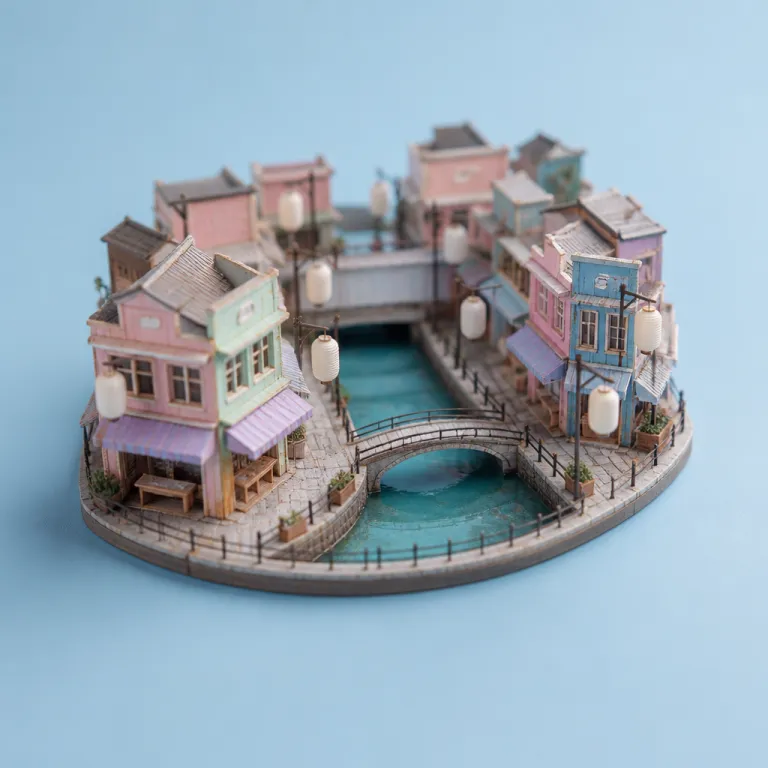
How to choose where to stay in Osaka around Namba and Dotonbori
Working out where to stay in Osaka starts with understanding its compact yet layered centre. The Namba area places you beside Dotonbori’s neon canal, street food stalls, and some of the best nightlife in Japan. For many first time visitors wondering which neighbourhood to pick, Namba is the answer because it balances atmosphere, convenience, and an easy walk to major sights.
Osaka has hundreds of hotels across several districts, and each area offers a different style of stay and a different rhythm of the city. When you compare hotels in Namba, Shinsaibashi, Umeda, Tennoji, Shinsekai, and around Osaka Station, you are really choosing between late night energy, business polish, or quieter residential streets. Deciding where to stay makes sense only when you match your preferred room type, budget from mid range to luxury hotels, and how far you want to walk to trains or attractions.
Travel planners often ask what is the best area to stay in Osaka for first time visitors, and most official tourism sources give a similar answer. Namba is widely recommended for first timers because of its lively streets, dense dining scene, and short journeys to other districts. That single idea captures why so many travellers book a hotel in Osaka Namba first, then add day trips by bullet train from nearby Nankai Osaka and JR lines.
When you stay Osaka side in Namba, you are minutes from the Glico sign, Kuromon Market, and the canal, yet you can still reach Osaka Castle or Osaka Umeda in under thirty minutes. Many travellers choose a station hotel near Namba Station or Osaka Namba Station so they can roll luggage straight from the Nankai Osaka platforms to their rooms. If you prefer a quieter room, look for hotels one or two blocks off the main Dotonbori walk, where late night noise fades but restaurants remain close.
Families and groups often ask where to stay in Osaka that offers larger rooms and kitchenettes near Dotonbori. In that case, an apartment style hotel Osaka property such as Mimaru Osaka in Namba can be ideal, because it offers generous room layouts, laundry facilities, and easy access to supermarkets. Couples who want a more intimate stay might prefer smaller design focused hotels near Shinsaibashi, where rooms are compact but the walk to both Namba and the Kita business core is straightforward.
To compare the Osaka best neighbourhoods for access to the city’s top sights, use a structured guide that maps each area to its nearest station. A dedicated resource such as this overview of where to stay in Osaka to reach the city’s top sights easily helps you visualise travel times from Namba, Umeda, Tennoji, and Shin Osaka. Once you see how quickly you can move between Osaka Station, Osaka Castle, and the Tennoji Shinsekai zone, choosing your hotel becomes a question of ambience rather than anxiety about distance.
Namba and Dotonbori: the energetic heart of your Osaka stay
The Namba area is the most requested answer when travellers ask where to stay in Osaka for nightlife, food, and instant immersion. Here, every walk along Dotonbori feels like a theatre of neon, with takoyaki stands, ramen counters, and izakaya lining the canal. Staying in a hotel in Osaka Namba means you can step out of your room and be in the middle of this scene within minutes.
From a transport perspective, Namba Station and Osaka Namba Station form one of the best connected hubs in Japan outside Tokyo. The Nankai Osaka lines link you directly to Kansai International Airport, while nearby JR and subway lines carry you to Osaka Station, Tennoji, Shin Osaka, and even out to Kobe or Nara. Choosing a station hotel here reduces transfer stress, especially if you are catching an early bullet train from Shin Osaka or arriving late from another city.
Accommodation choice in Namba ranges from efficient mid range business hotels to polished luxury hotels overlooking the city. Properties such as Cross Hotel Osaka place you between Namba and Shinsaibashi, giving you a short walk to both Dotonbori and the covered shopping arcades. Families may prefer apartment style options like Mimaru Osaka Namba, where rooms are larger than the Osaka average and can comfortably host four or more guests.
When you compare hotels in this area, pay close attention to room size, because central Osaka rooms can be compact. A standard room in a mid range hotel Osaka property near Dotonbori may measure around 18 to 22 square metres, while upgraded rooms or suites in luxury hotels can double that. If you value space, filter for larger rooms or corner layouts, especially when travelling with children or multiple suitcases.
Noise is another factor that shapes where to stay decisions in Namba, because streets near the canal stay lively late into the night. Travellers who want the Osaka best nightlife but also a quiet sleep should look for hotels one or two blocks inland from Dotonbori, or request higher floor rooms facing away from the main walk. Those who thrive on energy may enjoy a room that overlooks the action, accepting some ambient sound as part of the experience.
For a deeper breakdown of how to choose your base in Namba specifically, consult a focused guide such as this Osaka Japan travel guide on how to choose your base in Namba. It explains how different corners of the Namba area feel at various times of day, and how close each cluster of hotels sits to Namba Station or Osaka Namba Station. With that context, you can match your preferred style of stay Osaka wide with the exact micro neighbourhood that suits you best.
Shinsaibashi and mid city corridors: shopping focused stays near Namba
Shinsaibashi stretches north from Namba as Osaka’s signature shopping corridor, and it offers a refined answer to where to stay in Osaka for retail therapy. The covered arcade links Namba to the Kita side of the centre, with department stores, international brands, and side streets filled with cafés. Staying in a hotel between Namba and Shinsaibashi gives you a balanced walk to both Dotonbori’s nightlife and the quieter mid city streets.
Many travellers choose this area when they want to stay Osaka style in a slightly calmer environment while remaining close to the action. Hotels here tend to be mid range properties with compact but well designed rooms, often with stylish lobbies and efficient service. Because the streets are narrower and less dominated by large complexes, you will find a mix of independent hotels and international chains, each offering a different interpretation of urban Osaka.
From Shinsaibashi, you can reach Osaka Station and Osaka Umeda in the Kita district by direct subway in around ten to fifteen minutes. That makes this corridor ideal for travellers who plan to split their time between the Namba area, Osaka Castle to the east, and the business and shopping towers of Umeda. If you are arriving or departing by bullet train from Shin Osaka, staying near a direct subway line from Shinsaibashi or Namba Station keeps transfers simple.
Room types in this mid city zone vary from efficient singles aimed at business travellers to larger doubles and twins that suit couples or friends. When you compare hotels, look at floor plans as well as square metres, because some layouts feel more generous even at the same size. If you plan to shop heavily, prioritise a hotel Osaka property with good wardrobe space and easy access to coin lockers at nearby stations.
Shoppers who want the best access to both international brands and local designers will appreciate how Shinsaibashi links to neighbouring districts. A short walk south brings you back to Namba and Dotonbori, while a stroll north leads toward the Kita side and eventually Osaka Station. This central position makes Shinsaibashi one of the most flexible answers to where to stay when you want to sample multiple faces of the city without changing hotels.
Because this corridor sits between major hubs, it also works well for travellers planning day trips by train. You can head to Osaka Castle in the morning, return to drop off purchases in your room, then continue to Tennoji or Shinsekai by afternoon. For many repeat visitors, this mid city strip between Namba and Shinsaibashi quietly becomes their personal Osaka best base, precisely because it balances movement and rest so well.
Tennoji and Shinsekai: value focused stays with local character
South east of Namba, Tennoji offers one of the most practical answers to where to stay in Osaka for budget conscious travellers. The area around Tennoji Station has seen significant redevelopment, with new malls, transport links, and the landmark Abeno Harukas tower reshaping the skyline. Yet just a short walk away, older streets and local eateries preserve a more traditional Osaka atmosphere.
Tennoji is particularly attractive if you are seeking mid range or lower priced hotels without sacrificing connectivity. From Tennoji Station, JR and subway lines run directly to Osaka Station, Namba, Shin Osaka, and even out toward Kansai Airport, making it a strong alternative to a station hotel in Namba. Room rates here often undercut equivalent properties in the Namba area, and you may find slightly larger rooms for the same budget.
Adjacent Shinsekai, with its retro arcades and the Tsutenkaku Tower, adds another layer to the question of where to stay in the south of the city. The combined Tennoji Shinsekai zone feels distinctly local, with kushikatsu restaurants, small bars, and narrow lanes that contrast sharply with the polished malls of Umeda or Osaka Castle Park. Staying in or near Shinsekai places you within walking distance of both nostalgic streets and the modern Abeno Harukas complex.
Travellers who choose this area often value authenticity and price over polished finishes, though there are newer hotels as well. You will find a mix of simple business hotels, hostels, and a growing number of design forward properties that still price themselves below central Namba. When comparing hotels, check guest reviews carefully for comments on noise, cleanliness, and room size, as quality can vary more widely here than in Osaka Umeda.
Families may appreciate Tennoji’s parks and the nearby zoo, which offer green space that is harder to find around Dotonbori. The area also works well as a base for day trips, because direct trains from Tennoji Station reach Nara and Wakayama without requiring a change at Osaka Station. If you plan to explore both the Tennoji Shinsekai streets and central Osaka, consider splitting your stay between two hotels to experience both sides of the city.
For travellers asking where to stay in Osaka when they want to feel part of everyday life rather than a tourist zone, Tennoji and Shinsekai answer convincingly. You can eat at small counters where office workers dine, then return to a modest but comfortable room that costs less than a similar stay Osaka wide in Namba. This combination of value, character, and connectivity makes the area one of the city’s most underrated bases.
Umeda, Kita, and Osaka Station: polished stays in the northern hub
North of the river, the Kita district around Osaka Station and Osaka Umeda offers a very different answer to where to stay in Osaka. Here, glass towers, department stores, and elevated walkways define the skyline, and many of the city’s most established luxury hotels cluster around the station. Travellers who prioritise comfort, service, and direct rail access often choose a station hotel in this area as their base.
Osaka Station is one of the country’s major rail hubs, with JR lines, private railways, and subways connecting across Kansai and beyond. If you plan multiple day trips by bullet train from Shin Osaka, staying in Umeda or Kita keeps transfers short, because Shin Osaka lies just a few minutes away by JR line. This makes the area particularly appealing for travellers who want to explore Kyoto, Hiroshima, or Okayama while still returning to the same hotel Osaka base each night.
Accommodation here spans efficient business hotels, polished mid range properties, and full service luxury hotels with extensive facilities. Many rooms in this area sit on higher floors, offering sweeping views over Osaka Castle in the distance or the dense rail lines around Osaka Station. When comparing hotels, consider whether you value club lounges, on site spas, and multiple restaurants, because these features are more common in Umeda than in Namba.
For shoppers, the Umeda area rivals Shinsaibashi, with interconnected malls and department stores stretching around the station. You can walk from your room through underground passages directly into shopping complexes, which is particularly convenient in wet or hot weather. This enclosed network also makes it easy to reach airport buses, long distance coaches, and local trains without stepping outside for long.
Some travellers worry that staying in Umeda will feel less atmospheric than Namba, but the trade off is convenience and calm. You can still reach Dotonbori and Namba Station in around fifteen minutes by subway, then retreat to a quieter room in the evening. For many business travellers and families who value predictability, this balance makes Umeda one of the Osaka best choices for a longer stay.
If you are unsure where to stay between Namba and Umeda, think about your daily rhythm and priorities. Night owls and food lovers often gravitate to Namba, while early risers catching trains or preferring structured days may lean toward Osaka Station and Kita. Either way, both areas are so well connected that you can experience the full spread of Osaka without changing hotels.
Shin Osaka and practical bases for bullet train travellers
Shin Osaka sits slightly north of the main centre, and it answers a very specific version of where to stay in Osaka. If your itinerary revolves around the Shinkansen bullet train, this is the station that matters most, because all long distance services stop here rather than at Osaka Station. Staying in a hotel near Shin Osaka can dramatically reduce transfer times when you are carrying luggage or travelling with children.
The area around Shin Osaka Station is more functional than atmospheric, with office towers, business hotels, and a growing number of mid range properties. Many travellers choose a station hotel here for one night at the start or end of a trip, using it as a gateway between Kansai and other regions of Japan. Rooms tend to be compact but efficient, with strong Wi Fi, coin laundry, and early breakfast options tailored to business and transit guests.
From Shin Osaka, you can reach Osaka Station and Osaka Umeda in under ten minutes, and Namba in around twenty minutes by subway. That means you can still enjoy evenings in Dotonbori or Shinsaibashi while keeping your luggage base beside the bullet train platforms. For some travellers, especially those planning multiple day trips to Kyoto, Himeji, or Hiroshima, this arrangement offers the best balance between convenience and city access.
When deciding where to stay between Shin Osaka and more central districts, consider how many times you will actually use the Shinkansen. If you are only arriving once and departing once, a hotel in Namba, Umeda, or Tennoji may feel more rewarding, with Shin Osaka serving only as a transfer point. However, if your itinerary includes daily bullet train journeys, the minutes saved each day by staying near Shin Osaka can quickly add up.
Hotel choice here is dominated by business focused brands, but you will also find some higher category properties that edge toward luxury hotels in service and facilities. Because the area is less tourist heavy, rates can be competitive compared with similarly equipped hotels in Namba or around Osaka Castle. When comparing options, pay attention to whether your room faces the tracks or quieter side streets, especially if you are sensitive to noise.
For travellers who value efficiency above all, Shin Osaka represents a clear, rational answer to where to stay in Osaka. You trade some of the immediate charm of Namba or Tennoji Shinsekai for the certainty of short walks between your room and the bullet train. With fast links to both Osaka Station and Namba Station, you can still sample the city’s food and nightlife before returning to a calm, transit oriented base.
Specialist stays: family suites, serviced options, and luxury hotels
Beyond the main districts, a final layer to where to stay in Osaka involves matching specific hotel types to your travel style. Families, long stay guests, and travellers seeking luxury hotels will all find tailored options spread between Namba, Shinsaibashi, Umeda, and Tennoji. The key is to align your preferred room configuration, service level, and budget with the area that best supports your plans.
Apartment style properties such as Mimaru Osaka in Namba or other serviced residences near Osaka Station cater especially well to families and groups. These hotels offer larger rooms with kitchenettes, dining tables, and sometimes separate sleeping areas, which can transform a stay Osaka wide from functional to genuinely comfortable. Because Japanese city rooms often run small, these expanded layouts feel particularly generous after a day exploring Osaka Castle, Shinsekai, or the malls of Osaka Umeda.
Travellers who prioritise design, amenities, and attentive service will find a cluster of luxury hotels around Osaka Station, in Umeda, and near some parts of Namba. These properties often feature spacious rooms, higher floors with city views, and facilities such as spas, pools, and multiple dining venues. When comparing them, consider whether you prefer a skyline view toward Osaka Castle, a direct connection to Osaka Station, or a shorter walk to Dotonbori and Namba Station.
Serviced apartments and extended stay hotels also play a role in answering where to stay for longer visits. Guests on multi week trips may appreciate in room laundry, kitchen facilities, and the ability to spread out, even if that means staying slightly away from the busiest streets. In such cases, being one or two stops from Namba or Shinsaibashi can be a worthwhile trade off for a quieter environment and more homelike room.
Specific branded properties such as Cross Hotel Osaka near Shinsaibashi and Citadines Namba Osaka illustrate how location and concept intersect. Cross Hotel sits between Namba and the mid city corridor, giving guests a short walk to both nightlife and shopping, while Citadines Namba blends serviced apartment features with hotel style convenience. Both show how a carefully chosen hotel Osaka property can anchor your experience of the city as much as any single attraction.
Ultimately, the best area to stay in Osaka depends on how you want each day to feel, not just on a map of stations. Night owls may favour Namba, shoppers might lean toward Shinsaibashi or Umeda, and value seekers often choose Tennoji or the Tennoji Shinsekai streets. By matching your priorities to the strengths of each area, you turn a simple hotel booking into a strategic choice that shapes your entire Osaka stay.
Key figures to help choose where to stay in Osaka
- Osaka offers several hundred hotels across its main districts, according to recent counts from the Osaka Convention and Tourism Bureau, giving travellers a wide range of options from simple business stays to luxury hotels.
- The average hotel price per night in Osaka is roughly 150 USD as of 2024, based on aggregated data from major booking platforms, which places the city in a mid range bracket compared with Tokyo or Kyoto.
- Travel times between major hubs are short; for example, trains link Osaka Station and Namba Station in roughly fifteen minutes, making it realistic to stay in one area and explore several others daily.
- Direct rail links from Nankai Osaka at Namba to Kansai International Airport mean many travellers can reach their hotel in central Osaka in under one hour after landing.
- The Abeno Harukas complex in Tennoji is one of Japan’s tallest buildings, and hotels nearby benefit from both panoramic views and direct access to JR and subway lines.
- Namba / Dotonbori: Best for food and nightlife; direct trains to Kansai Airport; about 15 minutes to Osaka Station and under 30 minutes to Osaka Castle.
- Shinsaibashi corridor: Ideal for shopping and balanced access; around 10–15 minutes by subway to Osaka Umeda and convenient links to Shin Osaka.
- Tennoji / Shinsekai: Strong value and local feel; direct services to Nara and Wakayama; roughly 10 minutes to Namba and 20 minutes to Osaka Station.
- Umeda / Osaka Station: Polished northern hub; quick JR ride to Shin Osaka in a few minutes; about 15 minutes by subway to Dotonbori.
- Shin Osaka: Most practical for frequent Shinkansen use; around 10 minutes to Osaka Station and about 20 minutes to Namba by subway.
FAQ about where to stay in Osaka
What is the best area to stay in Osaka for first time visitors ?
Namba is generally the best area to stay in Osaka for first time visitors, because it combines Dotonbori’s nightlife, extensive dining, and strong transport links via Namba Station and Osaka Namba Station. From here you can reach Osaka Castle, Osaka Station, and Shin Osaka quickly while still enjoying a lively atmosphere at night. Many travellers choose a hotel in Namba as their first Osaka base, then explore other districts on later trips.
Which area in Osaka is best for shopping ?
Shinsaibashi is widely regarded as the best area in Osaka for shopping, thanks to its long covered arcade and nearby department stores. Staying in a hotel between Namba and Shinsaibashi gives you easy access to both international brands and local boutiques. Umeda around Osaka Station also offers extensive malls, so serious shoppers often split time between these two districts.
Where should budget travellers stay in Osaka ?
Budget travellers often find the best value around Tennoji and the neighbouring Shinsekai streets, where room rates tend to be lower than in Namba or Umeda. The Tennoji area offers good access to JR and subway lines, including direct trains to Osaka Station, Namba, and Shin Osaka. By choosing a modest hotel here, you can reduce costs while still reaching major sights such as Osaka Castle and Dotonbori easily.
Is it better to stay near Osaka Station or Shin Osaka Station ?
Staying near Osaka Station in Umeda suits travellers who want shopping, dining, and easy access to multiple train lines within a lively business district. Shin Osaka is better if your priority is catching the bullet train frequently, because all Shinkansen services stop there rather than at Osaka Station. For most visitors, Osaka Station offers a more rounded city experience, while Shin Osaka is ideal for transit focused stays.
How many nights should I plan for my stay in Osaka ?
A stay of three to four nights in Osaka allows enough time to explore Namba, Dotonbori, Shinsaibashi, Osaka Castle, and either Tennoji or Umeda at a comfortable pace. With this duration, you can also fit in at least one day trip by train to Kyoto, Nara, or Kobe. Travellers using Osaka as a Kansai base for multiple excursions may prefer five or more nights, especially if they are staying near Shin Osaka for frequent bullet train journeys.
Trusted references for planning your Osaka hotel stay
Japan National Tourism Organization (JNTO)
Osaka Convention and Tourism Bureau
West Japan Railway Company (JR West)