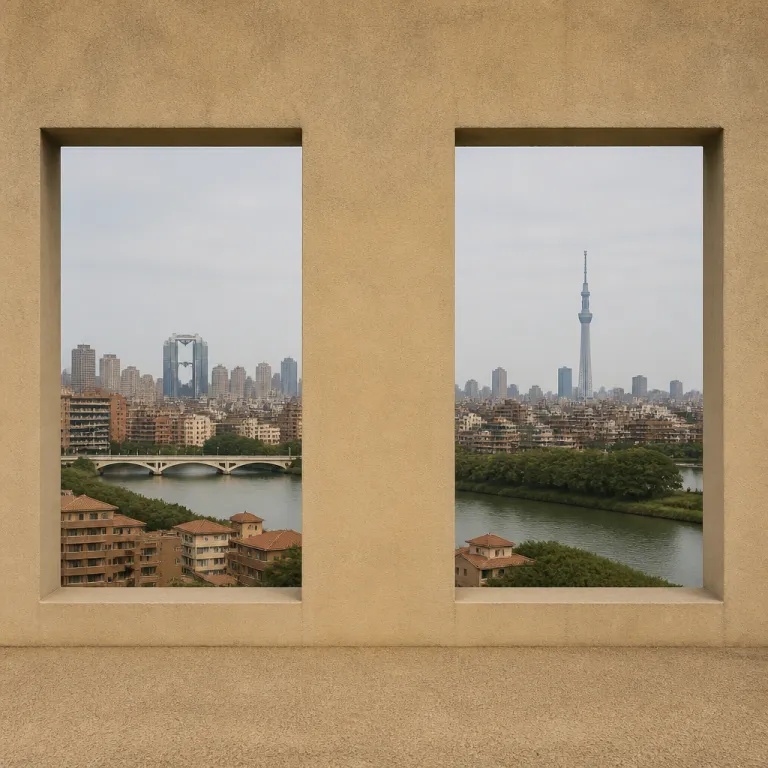
Osaka vs Tokyo: which city is better for first‑time stays
Choosing between Osaka and Tokyo in Japan starts with asking which city matches your travel rhythm. Tokyo is the capital and the largest of all Japanese cities, while Osaka is smaller, looser in feel, and typically around 15 to 25 percent cheaper for mid range hotels and everyday meals. When you compare Osaka vs Tokyo which is better for a first stay, Tokyo usually wins for sheer variety while Osaka quietly excels at comfort, value, and a softer landing after long sightseeing days.
Tokyo has around 13.9 million people in its 23 wards, so the city Tokyo feels dense, vertical, and intensely urban almost everywhere you go. Osaka has about 2.7 million residents in the city proper, and that difference in people numbers shapes everything from average hotel room size to how much time you spend navigating public transportation. Travelers who want a clear guide often hear that Tokyo offers more varied experiences and is easier to navigate overall, while Osaka is widely known as Japan's culinary capital and a relaxed Kansai base.
For someone booking a hotel, the question becomes which city gives you the best base for both day trips and nightlife. In Tokyo, areas such as Shinjuku place you close to major rail lines, the Tokyo Skytree via convenient transfers, and connections towards Mount Fuji, but room rates and personal space can be challenging. In Osaka, staying near Dotonbori or Namba puts you in the middle of neon, street food, and direct trains to Kyoto Nara, so you can enjoy a more relaxed Japanese city atmosphere and shorter walks back to your room after a long day.
Staying in Dotonbori and Namba: why Osaka works so well
For hotel guests focused on food and nightlife, Dotonbori and Namba in Osaka Japan are among the best areas in the country. This compact part of the city concentrates Osaka food, shopping streets, and entertainment into a walkable grid, so you can enjoy late night street food and still be back in your room within minutes. When you weigh Osaka vs Tokyo which is better for evening atmosphere, Dotonbori’s canal, neon signs, and Osaka people chatting on the street feel more casual and playful than the business tone of many central Tokyo districts.
Public transportation in this part of Osaka is exceptionally convenient, with Namba Station linking several private railways and metro lines such as the Midosuji Line and Nankai Railway. That means you can plan day trips from Osaka to Kyoto Nara or even to Universal Studios Japan with minimal transfers and predictable travel time of around 30 to 45 minutes. A detailed Osaka Japan travel guide on how to choose your base in Namba, such as a specialist guide to choosing your base in Namba, helps you compare streets, hotel clusters, and typical noise levels before you book.
Compared with a stay in the city Tokyo, where Shinjuku and Shibuya are spread out and crowded, the Osaka which question becomes whether you prefer compact convenience over sheer scale and spectacle. In Dotonbori and Namba, you can walk from your hotel to the river, sample several types of Osaka food culture in one evening, and still have time for a late night drink without using trains. Many people who have done both Tokyo Osaka and Osaka Tokyo itineraries say this Kansai base lets them enjoy the city more deeply between excursions because less time is lost in transit.
Comparing hotel areas: Dotonbori and Namba vs Shinjuku and central Tokyo
When you compare Dotonbori and Namba in Osaka with Shinjuku in Tokyo, you are really comparing two different philosophies of Japanese city life. Shinjuku is a major transport hub in the city Tokyo, with skyscraper hotels, corporate towers, and nightlife that runs late into the day and night across several blocks. Dotonbori and Namba feel lower in height but higher in intimacy, and that difference shapes which city feels better for your stay and how quickly you settle into a routine.
In Shinjuku, hotels often sit above vast stations, and people Tokyo rush through concourses lined with food courts and chain restaurants that stay open late. Around Dotonbori, Osaka people move at a slower pace, stopping at takoyaki stands and small izakaya that showcase Osaka food culture in a more local, street level way. If you want a structured comparison of where to stay in Osaka to reach the city’s top sights easily, resources such as a dedicated guide to the best connected districts can be invaluable when you compare Namba, Umeda, and Shin-Osaka.
From a practical travel guide perspective, Shinjuku is excellent if you plan to visit Tokyo Skytree, Odaiba, or take day trips towards Mount Fuji, because public transportation options are dense and frequent. Namba and Dotonbori are better if your itinerary mixes Universal Studios Japan, Osaka Castle, and Kyoto Nara, since trains fan out across Kansai from nearby hubs with clear English signage. For many visitors comparing Osaka vs Tokyo which is better for hotel logistics, the answer depends on whether your Japan focus is Kanto around the capital or Kansai around Osaka and Kyoto.
Food culture around your hotel: Osaka street food vs Tokyo dining
Food is often the deciding factor when travelers ask which city is better, Osaka or Tokyo. Osaka has long been called the nation’s kitchen, and the streets around Dotonbori and Namba show why with dense clusters of street food stalls, lantern lit alleys, and casual restaurants. Tokyo, by contrast, offers a wider range of high end Japanese dining and international food, but its food culture is more dispersed across many districts such as Shinjuku, Shibuya, and Ginza.
Staying in Osaka Japan near Dotonbori means that Osaka food is never more than a few minutes’ walk from your hotel lobby. You can step out for okonomiyaki, kushikatsu, or ramen at almost any time of day, and the street food scene keeps going late into the night, especially on weekends. In the city Tokyo, you might base yourself in Shinjuku or Ginza and then travel by public transportation to specific food neighborhoods, which adds time but also variety if you enjoy exploring different restaurant zones.
For guests comparing Osaka vs Tokyo which is better for spontaneous eating, Osaka usually feels more relaxed and immediate. People who love to enjoy unplanned snacks and casual drinks often prefer the Osaka which choice, because the city’s layout supports short, frequent food breaks between sightseeing stops. Tokyo still excels for travelers who want Michelin stars, refined kaiseki, and structured food tours, especially if they plan to visit Tokyo for several days and book restaurants in advance.
Access, day trips, and theme parks from your Osaka or Tokyo base
Hotel location in either Osaka or Tokyo shapes how easily you can reach the rest of Japan. From Osaka, staying near Namba or Umeda gives you fast rail access to Kyoto Nara, Kobe, and Himeji, making day trips straightforward even for first time visitors who are new to Japanese trains. From Tokyo, basing yourself in Shinjuku or Tokyo Station simplifies journeys towards Nikko, Hakone, and the Mount Fuji area using Shinkansen and limited express services.
Families often compare Osaka vs Tokyo which is better for theme parks, especially Universal Studios Japan and Tokyo Disney Resort. If you stay in Osaka Japan, trains from Namba or Osaka Station reach Universal Studios in around 15 to 25 minutes, so you can return to Dotonbori for evening street food after a full day in the park. In Tokyo, reaching Tokyo Disney Resort or other attractions from central city Tokyo hotels usually takes a similar amount of time, but the routes can feel more crowded and involve more standing.
For travelers planning a combined Tokyo Osaka or Osaka Tokyo itinerary, it can be wise to start in the capital and finish in Kansai. That way, you can visit Tokyo Skytree, explore several Tokyo neighborhoods, then move to Osaka for a slower final stretch focused on food and shorter day trips by local train. People Tokyo sometimes describe Osaka people as more outgoing and informal, which many guests appreciate after the intensity and pace of the capital city.
Price, atmosphere, and which city suits your hotel style
Cost is a crucial factor when deciding Osaka vs Tokyo which is better for your hotel budget. Osaka is generally 15 to 25 percent cheaper than Tokyo, and that price gap can translate into either savings or a higher room category in Osaka Japan according to aggregated booking data. For travelers staying several day periods, the difference in nightly rates, food prices, and local transport costs becomes very noticeable when you add up a week or more.
Atmosphere matters just as much as numbers, especially when you return to your room after a long day of travel. Tokyo feels like a global megacity where people Tokyo move quickly, trains run constantly, and the skyline stretches far beyond Shinjuku and the Tokyo Skytree into multiple business districts. Osaka, by contrast, feels like a large but approachable city where Osaka people chat more easily, and where the streets around Dotonbori and Namba stay lively without becoming overwhelming for most visitors.
In the end, the Osaka which question is really about your priorities as a guest. If you want scale, iconic views, and the sense of being in the biggest city in Japan, then visit Tokyo and stay near major hubs such as Shinjuku or Tokyo Station. If you prefer warmth, food culture, and easy access to Osaka Castle, Universal Studios Japan, and Kyoto Nara, then choosing a hotel in Osaka around Dotonbori or Namba will likely suit you better and feel more relaxed.
Key figures for choosing between Osaka and Tokyo
- Tokyo has an official population of about 13.9 million people in its 23 wards, while Osaka has around 2.7 million people in the city proper, so the capital is more than five times larger in terms of residents (Official Statistics, Government of Japan, latest available census).
- Average travel cost comparisons show that Osaka is generally 15 to 25 percent cheaper than Tokyo for accommodation, food, and daily expenses, which can significantly lower the total budget for a multi day stay (aggregated data from major travel booking platforms and sample nightly rates).
- Osaka is widely recognized as Japan’s culinary capital, attracting growing culinary tourism, while Tokyo is often recommended as better for first time visitors because it offers more varied experiences and is easier to navigate (summary from national and regional tourism boards and city promotion materials).
FAQ: Osaka vs Tokyo for hotel stays around Dotonbori and Namba
Which city is more affordable for hotels, Osaka or Tokyo ?
Osaka is usually more affordable than Tokyo, with hotel rates and daily costs often 15 to 25 percent lower for comparable properties according to typical booking searches. Around Dotonbori and Namba, you can often secure larger rooms for the same price as smaller spaces in central Tokyo near Shinjuku or Tokyo Station. This makes Osaka Japan particularly attractive for longer stays or for travelers who prioritize food and experiences over luxury branding and five star names.
Which city is better for first time visitors to Japan ?
Tokyo is generally considered better for first time visitors because it offers more varied experiences and a very clear public transportation network with English signs. The city Tokyo has multiple hubs such as Shinjuku, Shibuya, and Tokyo Station, which connect easily to major sights and airports including Haneda and Narita. Osaka remains an excellent second base, especially if you want to focus on Osaka food culture, Universal Studios Japan, and day trips to Kyoto Nara and nearby heritage sites.
Is Dotonbori a good area to stay in Osaka for sightseeing ?
Dotonbori is one of the best areas to stay in Osaka if you want to combine sightseeing with nightlife and food. From a hotel near the canal, you can walk to Namba Station, reach Osaka Castle and Universal Studios Japan by train in under an hour, and still enjoy late night street food on your way back. Many travelers who compare Osaka vs Tokyo which is better for atmosphere find that Dotonbori offers a uniquely energetic yet manageable base that feels less intimidating than some Tokyo hubs.
How easy is it to do day trips from Osaka compared with Tokyo ?
Day trips from Osaka are very straightforward, especially to Kyoto Nara, Kobe, and Himeji, thanks to dense rail connections from Namba and Umeda with frequent departures. Tokyo also excels for day trips, particularly towards Nikko, Hakone, and the Mount Fuji region, using Shinkansen and express trains from major hubs such as Tokyo Station and Shinjuku. The choice between the two cities often depends on whether you prefer to focus on Kansai’s heritage sites or the Kanto region around the capital and its mountain resorts.
Should I split my time between Tokyo and Osaka in one trip ?
Many visitors choose a combined Tokyo Osaka or Osaka Tokyo itinerary to experience both styles of Japanese city life. A common pattern is to spend several day periods in Tokyo for iconic sights such as the Tokyo Skytree, then move to Osaka for food culture and easier access to Kyoto Nara and Universal Studios Japan by regional train. This split approach helps you decide for yourself which city feels better for future hotel stays and where you might want to return.