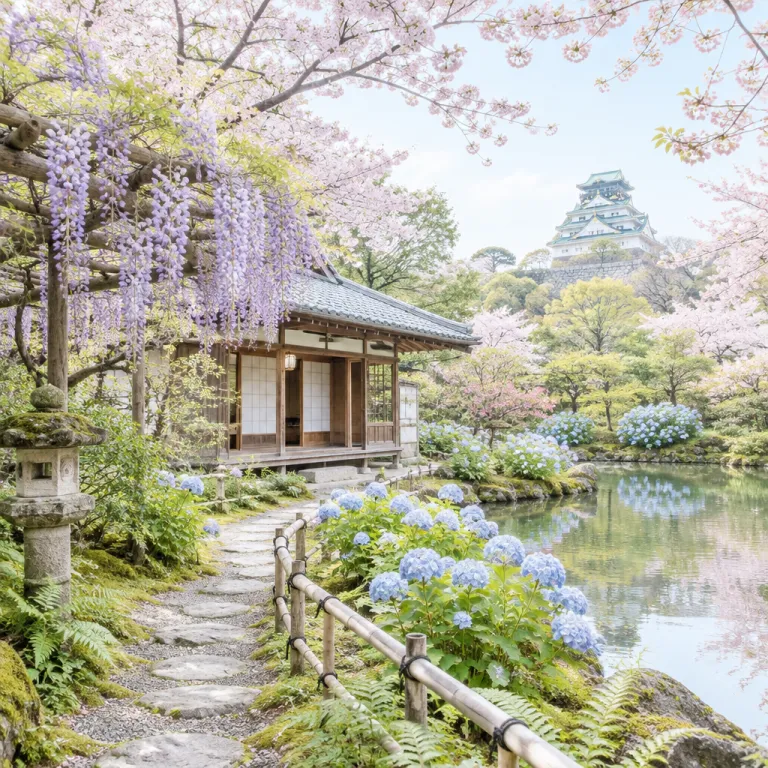
Forests of Kansai Japan and how they shape an Osaka hotel stay
Staying in Osaka while exploring the forests of Kansai Japan lets you balance urban comfort with deep green calm. The city works as a practical transport center, with a dense train network that connects quickly to every major mountain range and satoyama landscape in the region. From an Osaka hotel near Osaka Castle Park, visitors can reach temple towns, lakes, and well preserved pilgrimage routes in under two hours by train or a short bus ride.
The Kansai region of Japan includes Osaka, Kyoto, Nara, Wakayama, Shiga around Lake Biwa, and Hyogo with Himeji Castle, so you can plan forest excursions in several directions from one base. This area concentrates a remarkable number of UNESCO heritage sites and national parks, which means that a single Japan travel itinerary can combine city stays, temple lodging, and quiet walks in cedar forests. When you read local maps or station guides, you will notice how often the words temple, mountain, and forest appear together, reflecting how closely Japan spiritual traditions are tied to wooded slopes.
For someone booking a hotel in Osaka, the key is to choose a neighborhood that aligns with your preferred woodlands and day trips across the wider Kansai region. A stay near Osaka Station or Namba is easily reached from Kansai International Airport and gives fast access by train to Kyoto Japan, Nara, and the Wakayama mountains. If you prefer to wake near a large park with mature trees, consider hotels around Osaka Castle, where the moats, lawns, and cherry groves feel like a small satoyama in the middle of the city.
Hidden stays near Osaka Castle for forest inspired day trips
Osaka Castle Park is not a wild forest, yet its broad lawns, groves, and moats create a green buffer that softens the city’s edges. Choosing a hotel in this area places you within walking distance of tree lined paths, while still being only a short train ride from the deeper forests of Kansai Japan. In autumn, this district pairs especially well with day trips to Kyoto Japan and Nara, where temple gardens and satoyama hillsides glow with color that rivals any large heritage site landscape in the country.
From Osaka Castle’s surroundings, visitors can reach Kyoto by train in around thirty minutes, then continue to the wooded slopes above the city’s eastern temples. These hills form part of a wider mountain range that stretches across the Kansai region, linking Kyoto’s temple districts to the forests above Nara and the valleys that drain toward Lake Biwa. If you are planning the best autumn foliage days out, consult a specialized Osaka neighborhood guide such as where to stay in Osaka for the best autumn foliage days out before you book.
Several mid range hotels near Osaka Castle balance quiet surroundings with quick access to trains bound for Nara, Wakayama, and Kyoto Japan. From Morinomiya or Osakajokoen Station, for example, you can reach Osaka Station in about ten minutes and transfer to rapid services toward Kyoto or Nara for roughly 600–1,000 yen one way. This makes it easy to join small group tours and activities that focus on Kansai’s cedar groves and satoyama villages, from guided walks in rural hamlets to visits of Shingon Buddhism temples in the Wakayama mountains. When you return in the evening, the castle park’s well preserved stone walls and moats offer a final peaceful stroll that echoes the natural beauty you experienced during the day.
Using Osaka as a gateway to Kyoto’s forested temple belts
Kyoto lies less than an hour from central Osaka by frequent train services, which makes it an obvious partner city for exploring the forests of Kansai Japan. Many travelers choose to sleep in Osaka, where hotel prices can be more flexible, then head to Kyoto Japan for day long walks through temple districts backed by wooded hills. This strategy works especially well if you want to combine cherry blossom viewing in parks with quieter forest paths above the city.
The eastern side of Kyoto, from Kiyomizu dera to Nanzen ji and the Philosopher’s Path, sits at the foot of a forested mountain range that shelters numerous small temples. These slopes are part of the wider Kansai region’s green spine, which continues toward Lake Biwa and links to other heritage sites recognized for their natural beauty and cultural value. Your choice of Osaka hotel location can shape how easily you reach these areas, so consult resources such as this guide on how your Osaka hotel location shapes cherry blossom viewing before finalizing a reservation.
From Osaka Station or Shin Osaka, Kyoto is easily reached by rapid train, and onward local lines carry visitors to quieter stations near forest fringes. JR Special Rapid trains take around thirty minutes from Osaka Station to Kyoto Station, while the Tokaido Shinkansen from Shin Osaka cuts the ride to about fifteen minutes, with typical fares ranging from roughly 600 yen for local services to around 1,500 yen for high speed options. Once there, you can join tours and activities that focus on temple lodging experiences, tea fields in satoyama valleys, or walks that link several UNESCO heritage temples in a single day. Returning to Osaka in the evening, you regain the energy of a large city while keeping the forests of Kansai Japan as the defining theme of your Japan travel.
Nara’s satoyama landscapes and temple lodging from an Osaka base
Nara, once the capital of Japan, lies to the southeast of Osaka and is reached by train in under an hour from major city hubs. Most visitors know Nara for its friendly deer and famous temples, yet the surrounding satoyama landscapes and low mountain range offer some of the most accessible woodlands in Kansai. Staying in Osaka allows you to enjoy these rural scenes by day while returning to a wide choice of dining and transport options at night.
Beyond the central Nara Park area, where a large number of visitors concentrate around Todai ji and Kasuga Taisha, quiet lanes lead into well preserved hamlets and cedar groves. Here, the traditional Japanese concept of satoyama, a managed mosaic of fields, woods, and streams, remains visible in both singular village and plural communities. From an Osaka hotel near Namba or Tennoji, you can board a train that climbs gently toward these foothills, then continue by short bus ride to trailheads and small heritage sites.
Some travelers choose to include one night of temple lodging in Nara’s outskirts, then return to their main Osaka base for the rest of their Japan travel. This pattern works particularly well for those interested in Japan spiritual traditions, since it allows immersion in evening rituals without sacrificing the convenience of a city stay. When you plan, read local railway maps carefully, because certain rural lines are easily reached from Osaka’s southern stations and link directly to the forests of Kansai Japan.
Wakayama mountains, Shingon Buddhism, and forest pilgrimages
South of Osaka rise the Wakayama mountains, home to some of the most revered forests of Kansai Japan and to the heartland of Shingon Buddhism. The sacred complex of Mount Koya, or Koyasan, forms part of a UNESCO heritage site that recognizes both its temple architecture and the surrounding cedar forest. From Osaka, this area is reached by train to Gokurakubashi and then by a short cable car and bus ride, making it surprisingly accessible for a one or two night stay.
Koyasan is famous for its atmospheric temple lodging options, where guests sleep in tatami rooms, eat shojin ryori vegetarian cuisine, and attend early morning services. These lodgings sit within a high plateau encircled by a mountain range, and the approach road follows an ancient pilgrimage route that once linked the plains of Kansai to this spiritual center. Many visitors describe the Okunoin cemetery, lined with towering cedars and stone lanterns, as one of the most powerful Japan spiritual landscapes they encounter during Japan travel.
Using Osaka as your main base, you can alternate nights in the city with one or two nights in the Wakayama forests, then return refreshed to urban comforts. The contrast between Osaka’s neon lit streets and the quiet paths of this UNESCO heritage area highlights the diversity of the wider region. When planning, remember that Koyasan and other Wakayama mountain temples are part of a network of heritage sites, so allow time to read local information boards that explain how these forests of Kansai Japan have been managed and revered for centuries.
Lake Biwa, Himeji Castle, and other green excursions from Osaka hotels
While Kyoto, Nara, and Wakayama draw most forest focused travelers, Lake Biwa and Himeji Castle also offer rewarding green excursions from Osaka. Lake Biwa, Japan’s largest freshwater lake, lies northeast of Kyoto and is framed by hills and a mountain range that shelters small satoyama villages and forest trails. From an Osaka hotel near a major train hub, the lake area is easily reached in a single day, allowing you to combine shoreline walks with visits to nearby temples and heritage sites.
On the western side of Kansai, Himeji Castle stands as one of the most iconic UNESCO heritage monuments in Japan, surrounded by gardens and wooded slopes. Although the castle itself is not a forest, the approach passes through tree lined avenues and parks that soften the transition from city to stronghold. Many visitors pair a morning at Himeji Castle with an afternoon walk in nearby hills, then return by train to Osaka in time for dinner in the city center.
When planning these side trips, consider how many days you want to devote to the forests of Kansai Japan versus urban sightseeing. A well chosen Osaka hotel near Osaka Station, Umeda, or Namba simplifies access to both Lake Biwa and Himeji, since frequent trains radiate across the region. For tailored advice on matching neighborhoods to your itinerary, consult a specialist resource such as this guide to where to sleep in Osaka matching the neighborhood to your trip, then adjust your bookings to keep forest excursions efficient.
Choosing the right Osaka neighborhood for forest focused travel
For travelers prioritizing the forests of Kansai Japan, the choice of Osaka neighborhood matters as much as the hotel itself. Areas around Osaka Station and Shin Osaka work well for those planning frequent train journeys to Kyoto, Nara, Lake Biwa, and Himeji Castle. Namba and Tennoji suit visitors heading toward the Wakayama mountains, Koyasan, and southern satoyama landscapes, where Shingon Buddhism temples and pilgrimage routes thread through dense cedar forests.
Staying near Osaka Castle Park appeals to guests who want a daily dose of greenery before and after longer excursions into the region. This area offers a quieter atmosphere, with tree lined moats and lawns that echo the natural beauty of more remote forests, while remaining easily reached from both Kansai International Airport and Shin Osaka by train. From here, you can join tours and activities that focus on heritage sites, temple lodging, or Japan spiritual experiences, then return each evening to a calm yet central base.
Whichever district you choose, read hotel descriptions carefully to understand proximity to key stations, parks, and local dining streets. A property that sits a short walk from a major line can save significant time when you are chasing early morning trains into the forests of Kansai Japan. By aligning your Osaka stay with your preferred mix of city life, temples, and mountain range excursions, you turn a simple hotel booking into the backbone of a rich, forest centered Japan travel plan.
Key figures on Kansai forests and heritage landscapes
- The Kii Mountain Range sacred sites and pilgrimage routes in Wakayama, Nara, and Mie cover roughly 495 square kilometers of cultural landscape, according to UNESCO data on the “Sacred Sites and Pilgrimage Routes in the Kii Mountain Range,” illustrating how extensive forested heritage sites are within the wider Kansai region.
- Lake Biwa spans about 670 square kilometers, making it Japan’s largest freshwater lake and a major anchor for surrounding satoyama forests and wetland ecosystems in Shiga Prefecture, as reported by Japan’s Ministry of the Environment.
- Nara Park and its adjacent temple precincts host more than 1,000 free roaming deer, based on Nara City tourism statistics, which underlines the close interaction between wildlife, forests, and religious sites in this historic area.
- Himeji Castle’s main keep rises over 30 meters above its stone base, and the entire complex covers around 107 hectares, with gardens and wooded slopes that soften the transition between urban Himeji and the surrounding hills, according to official castle management figures.
- Mount Koya sits at an elevation of about 800 meters and is home to over 100 temples, many offering temple lodging, which makes it one of the most concentrated Japan spiritual centers within easy reach of Osaka by train and bus, as summarized in Wakayama Prefecture tourism materials.
FAQ about Osaka hotels and the forests of Kansai Japan
Which Osaka neighborhood is best for day trips to Kyoto’s forests ?
For Kyoto’s forested temple belts, staying near Osaka Station or Shin Osaka is the most efficient choice. These areas offer frequent rapid trains to Kyoto Station and to smaller stops closer to the eastern mountain range. From there, local buses and taxis connect quickly to trailheads and temple districts.
Can I visit Koyasan’s forests as a day trip from Osaka ?
Yes, Koyasan in the Wakayama mountains can be visited as a long day trip from Osaka, though many travelers prefer one night of temple lodging. The journey involves a train from Namba to Gokurakubashi, a cable car up the slope, and a short bus ride into the temple center. Starting early from an Osaka hotel near Namba makes the schedule more comfortable.
Is it better to stay in Osaka or Kyoto for forest excursions ?
Osaka works better if you want to combine multiple directions, such as Nara, Wakayama, Lake Biwa, and Himeji Castle, from one city base. Kyoto suits travelers focused mainly on its own temple belts and nearby satoyama villages. Many visitors split their time, staying several nights in each city to balance urban and forest experiences.
How many days should I plan for the forests of Kansai Japan ?
To sample the main forest landscapes while staying in Osaka, plan at least four full days dedicated to nature. One day can focus on Kyoto’s hills, another on Nara’s satoyama, a third on Koyasan or other Wakayama mountains, and a fourth on Lake Biwa or Himeji. Longer stays allow slower travel and more in depth Japan spiritual or heritage site visits.
Do Osaka hotels offer organized tours and activities into nearby forests ?
Many mid range and higher end Osaka hotels can arrange or recommend tours and activities that reach the forests of Kansai Japan. These range from guided hikes in Nara’s hills to cultural visits of Shingon Buddhism temples in Wakayama and boat trips on Lake Biwa. When booking, ask the hotel concierge or reservations team about partnerships with local operators who specialize in nature and heritage excursions.