How your hotel location shapes access to Osaka Japan cherry blossom spots
Choosing the right area in Osaka city quietly determines how easily you reach the most graceful cherry blossom viewing spots. For travellers planning their stay around the main Osaka station hubs, the difference between a ten minute walk and a thirty minute transfer can decide whether you catch the fragile cherry blossoms at full bloom or miss the best light entirely. When you look at a map of cherry blossom spots in Osaka, focus first on how the rail lines, rivers, and major park corridors align with your preferred hotel districts and usual sightseeing routes.
Staying near JR Osaka Station or Umeda gives fast access to Kema Sakuranomiya and the long riverside paths of Sakuranomiya Park, where thousands of cherry trees form one of the most atmospheric blossom viewing corridors in the city. From Namba or Shinsaibashi, you reach Osaka Castle Park in under twenty minutes by subway, which makes early morning blossom viewing around Osaka Castle and its moats realistic before the day’s sightseeing or business meetings. Travellers who prefer quieter evenings might choose hotels near Tenmabashi or Kyobashi stations, where a short walk places you between the river, local restaurants, and some of the most photogenic cherry blossom trees in Osaka.
For guests planning a day trip that combines Osaka’s cherry landscapes with Kyoto temples, basing yourself near Shin Osaka Station simplifies Shinkansen connections while still keeping you close to central viewing spots. The blossom season is short, so minimising transfer times between your room and the main parks lets you enjoy sunrise and night illuminations without worrying about long returns across the city. When you compare hotel options, always check an accurate park image or rail map, then calculate how each address positions you relative to Osaka Castle Park, Sakuranomiya Park, and the Osaka Mint Bureau.
Staying near Osaka Castle Park for classic cherry blossom views
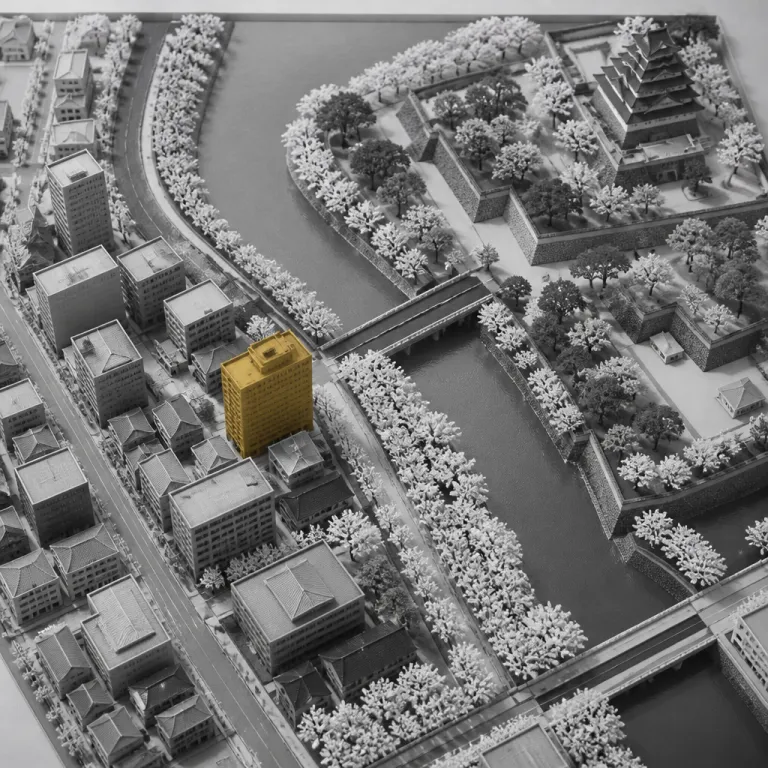
Osaka Castle Park is the historic heart of many cherry blossom spots in Osaka, and staying nearby gives you unmatched flexibility during the peak bloom. The park holds more than three thousand cherry trees according to city park data, especially around the Nishinomaru garden, where the white walls of Osaka Castle rise above soft pink blossoms Osaka photographers love to capture. Hotels in the Kyobashi, Morinomiya, or Tanimachi Yonchome areas often place you within a fifteen minute walk of the main gates, which is invaluable when the blossom season reaches its brief full bloom phase.
Early risers can leave their room just after dawn and enjoy near empty paths, when the light on the castle stones and the surrounding blossom trees creates a calm, almost private atmosphere. In the evening, you can return for a second viewing, when lanterns and reflections in the moats give every cherry blossom a different character and the city skyline glows behind the keep. Because this park is one of the best known viewing spots in Japan, staying close by also helps you step away from the crowds at midday, returning to your hotel lounge or spa before heading out again for a quieter night stroll.
Guests interested in culture can easily combine blossom viewing with visits to nearby shrines and a temple or two in the Tenmabashi district, where smaller gardens and older cherry trees offer a more local feel. When you compare hotels, look for rooms with a partial castle view, even if only from higher floors, because the changing image of the park across the day becomes part of your stay. For planners who value efficiency, this area also connects smoothly to Kyoto and Nara, making it a strong base for wider Kansai blossom viewing while still keeping Osaka cherry experiences at your doorstep.
Riverside stays for Sakuranomiya Park and the Osaka Mint Bureau
Along the Okawa River, Sakuranomiya Park and the Osaka Mint Bureau form a continuous ribbon of cherry blossom spots in Osaka that reward travellers who choose riverside hotels. Kema Sakuranomiya Park alone offers around 4,800 cherry trees along a 1.3 kilometre stretch, based on Osaka Park Association figures, and staying near Sakuranomiya or Tenmabashi stations lets you enjoy this landscape in short, unhurried walks. Many guests find that a simple park image on a booking site does not fully convey how the river, bridges, and blossom trees interact with the city lights at night.
During late March, when the blossom season usually peaks, riverside paths fill with families, office workers, and visitors sharing hanami picnics under the cherry blossoms, yet early mornings remain peaceful for hotel guests who step out before breakfast. Boat cruises depart from several piers, offering a different view of the blossom trees and the Osaka city skyline, which can be especially appealing if your hotel concierge can secure evening reservations. The Osaka Mint, often called the Osaka Mint Bureau, opens its famous tunnel of cherry trees for a limited period, typically for about one week in mid April from around 10:00 to 20:30, and staying within a short walk or one train stop makes timing your visit far easier.
For travellers who value photography, this riverside zone is one of the best viewing spots because you can frame cherry blossom branches against bridges, water reflections, and distant towers in a single image. Hotels along this corridor also make it simple to enjoy both daytime blossom viewing and relaxed dinners in nearby neighbourhoods without long transfers back to your room. When comparing options, ask whether upper floors offer a partial river view during the bloom, as even a glimpse of the seasonal blossoms Osaka is known for can transform your stay into a more immersive spring experience.
Planning day trips from Osaka hotels to Kyoto and other blossom landscapes
Many travellers use Osaka as a base for wider Kansai exploration, combining local cherry blossom spots with classic Kyoto temple gardens and riverside paths. If you plan several day trip excursions, staying near Shin Osaka Station or major subway interchanges reduces travel time and keeps your schedule flexible during the unpredictable blossom season. From these hubs, you can reach Kyoto Station in under thirty minutes on the JR Kyoto Line or Shinkansen, then return to enjoy quieter cherry blossom viewing in Osaka city after the crowds thin.
Kyoto offers world famous temple and garden settings, yet its popularity means that early trains from Osaka often fill with visitors chasing the same full bloom window. By contrast, many guests appreciate returning to hotels in Osaka, where riverside parks and castle grounds feel more spacious and the evening atmosphere is less formal. This balance allows you to enjoy the best of both cities, experiencing Kyoto’s historic temple districts by day while reserving Osaka cherry evenings for relaxed walks under blossom trees near your hotel.
When planning your itinerary, consider alternating days between Osaka city parks and regional excursions, so you can respond quickly if late March weather shifts the timing of the bloom. Because blossom viewing is sensitive to rain and wind, having reliable Osaka viewing spots within a short walk of your room gives you a safety net if a planned day trip must be shortened. Hotel concierges in central Osaka are accustomed to this pattern and can often suggest real time alternatives, from quieter cherry trees in neighbourhood shrines to less known garden corners that do not appear in every park image online.
Choosing hotel styles and services for blossom viewing comfort
Beyond location, the style and services of your Osaka hotel strongly influence how comfortably you experience cherry blossoms in Osaka. After long walks through parks and temple grounds, amenities such as on site spas, deep soaking baths, and late opening restaurants can make the difference between fatigue and renewed energy for night blossom viewing. Travellers who plan to enjoy sunrise and evening cherry blossoms often appreciate flexible breakfast hours and luggage storage, especially on check out days when they still want to spend time under the trees.
For guests focused on photography, a hotel with reliable early coffee service and quick access to taxis or nearby stations helps you reach Osaka Castle Park or Sakuranomiya Park before the main crowds. Business travellers combining meetings with blossom season sightseeing may prefer properties near Osaka Station or Honmachi, where they can move easily between offices, the mint bureau area, and riverside paths lined with blossom trees. Families often value larger rooms and laundry facilities, which make it easier to handle picnic blankets, children’s clothes, and the occasional grass stain from long afternoons in the park.
Whatever your profile, confirm that your chosen property can provide accurate guidance on current bloom conditions, as local staff often know which cherry trees in nearby gardens reach full bloom slightly earlier or later. Some hotels prepare small seasonal touches, from sakura themed welcome sweets to maps highlighting the best viewing spots within a ten minute walk, which subtly enrich your stay without feeling forced. When you compare options, read recent guest comments about noise levels and bed comfort, because restful nights are essential if you want to enjoy both early morning and late evening cherry blossom experiences across Osaka city.
Practical timing tips for late March stays and blossom images
Timing is everything when planning a hotel stay around Osaka’s cherry blossom season, because the window between first bloom and falling petals can be surprisingly narrow. Historical patterns from the Japan Meteorological Agency suggest that late March to early April usually brings the best balance between open blossoms and comfortable temperatures, yet each blossom season responds to that year’s weather. To refine your dates, combine official forecasts with flexible hotel bookings, then adjust slightly as the first cherry trees begin to bloom across Osaka city.
Once you arrive, aim to visit Osaka Castle Park and Sakuranomiya Park early in your stay, so you can return later if the blossoms Osaka is known for reach a more dramatic full bloom. Many travellers underestimate how different the same park image can look from one day to the next, as wind, rain, and light subtly change every cherry blossom and branch. If your schedule allows, reserve one morning for the Osaka Mint Bureau’s tunnel of cherry trees, then keep another morning free for spontaneous blossom viewing in smaller neighbourhood parks or temple gardens.
Photography minded guests should plan for both daytime and evening sessions, because lanterns, reflections, and the city skyline create a completely different image of Osaka cherry landscapes after dark. Carry a light jacket, as riverside paths near Kema Sakuranomiya can feel cooler than inner streets, especially when you pause to enjoy the view. Remember the local advice often shared with visitors: “Arrive early to secure spots. Check bloom forecasts online. Use public transport to avoid parking issues.”
Key figures for Osaka cherry blossom parks and visitor flows
- Osaka Castle Park is home to around 3,000 cherry trees, concentrated in areas such as Nishinomaru garden, which makes it one of the largest single park collections of cherry blossoms in Osaka city, according to official park management information.
- Kema Sakuranomiya Park offers approximately 4,800 cherry trees along a 1.3 kilometre riverside corridor, creating one of the longest continuous blossom viewing walks in Japan based on Osaka Park Association data.
- Expo ’70 Commemorative Park in northern Osaka welcomes roughly half a million visitors during the cherry blossom season in recent years, according to published visitor statistics, showing how strongly seasonal travel patterns shape hotel demand across the city.
- The typical Osaka blossom season runs from mid March, when the first buds open, to early April, when petals fall, leaving roughly two weeks of peak conditions for most cherry blossom viewing plans.
FAQ: planning your Osaka hotel stay for cherry blossom season
When is the best time to see cherry blossoms in Osaka?
The best period to see cherry blossoms in Osaka usually falls between late March and early April, when most cherry trees reach full bloom. Weather can shift this window slightly, so travellers should monitor updated forecasts in the weeks before arrival. Booking flexible hotel rates around these dates gives you room to adjust if the bloom comes earlier or later than expected.
Which Osaka areas are most convenient for cherry blossom viewing?
For easy access to major cherry blossom spots in Osaka, consider staying near Osaka Station or Umeda for quick trains to Sakuranomiya Park, or near Kyobashi and Morinomiya for walking access to Osaka Castle Park. Travellers who prioritise riverside blossom viewing often choose hotels near Tenmabashi or Sakuranomiya stations, where a short walk leads directly to cherry lined paths. Those planning frequent day trips to Kyoto may prefer Shin Osaka, which balances regional rail access with reasonable connections to central parks.
Are there entrance fees for Osaka cherry blossom parks?
Many key blossom viewing parks in Osaka, such as Sakuranomiya Park, are free to enter, while certain areas within larger parks may charge modest fees. Some sections of Osaka Castle Park, including specific gardens, can require tickets, especially during special events or illuminations. Visitors should check official park information in advance, because fee structures and opening hours can change during the blossom season.
Can I bring food for picnics under the cherry trees?
Picnics are a traditional part of blossom viewing in Osaka, and most parks allow visitors to bring food and drinks as long as they clean up carefully afterward. During peak weekends, popular lawns and riverside spots can fill quickly, so hotel guests who arrive earlier in the day usually find more comfortable spaces. It is courteous to avoid blocking main paths with picnic sheets and to follow any local rules posted by park management.
How crowded do Osaka cherry blossom spots become, and how should I plan?
Major cherry blossom spots in Osaka such as Osaka Castle Park, Sakuranomiya Park, and the Osaka Mint Bureau can become very crowded during full bloom, especially on weekends and evenings. To manage this, travellers should visit early in the morning, use public transport instead of taxis near peak times, and keep a list of secondary parks or temple gardens suggested by their hotel concierge. Staying within walking distance of at least one major park also helps you enjoy quieter hours at dawn or after the last commuter rush.
References
- Osaka Castle Park official information (Osaka Castle Park Management)
- Osaka Park Association data for Kema Sakuranomiya Park
- Expo ’70 Commemorative Park official visitor statistics