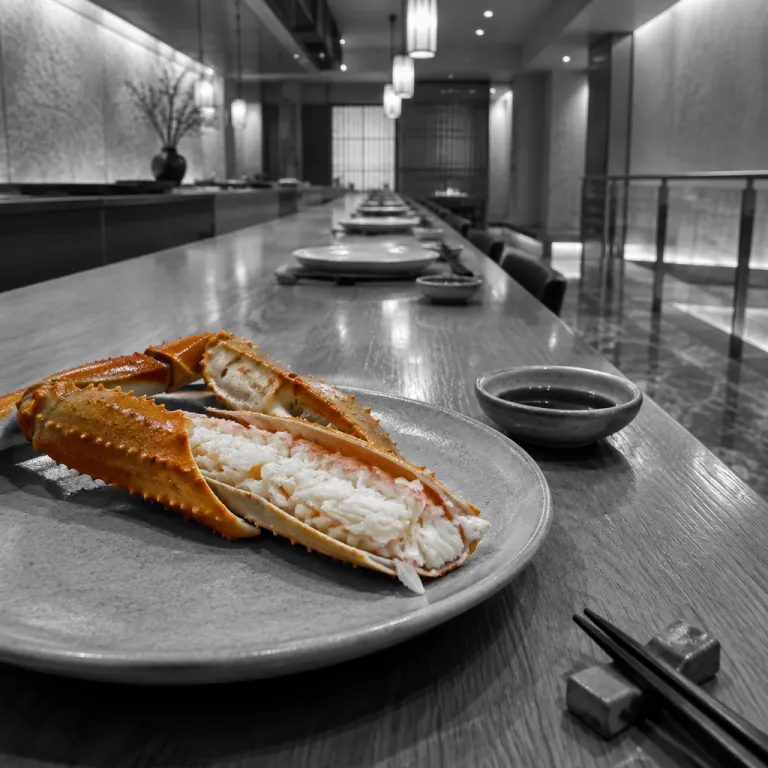
Why japanese snow crab matters when choosing an Osaka hotel
Guests booking a hotel in Osaka increasingly ask where they can taste Japanese snow crab at its best. Many properties now highlight crab-focused menus that follow the natural winter rhythm of the Sea of Japan rather than relying on generic international dishes. This shift means your choice of hotel can quietly open a window onto regional fishing culture, seasonal crabs, and refined Japanese hospitality.
When you see a winter promotion built around snow crab or full Japanese crab courses, it usually signals a chef who works closely with fishing ports in Hokkaido or Ishikawa Prefecture. These partnerships ensure that crabs caught in peak fishing season arrive with firm crab meat, sweet flavour, and traceable origins from a specific prefecture on the Sea of Japan coast. For travellers, that traceability builds trust, especially when hotels explain whether the crab leg on your plate is zuwaigani snow from Tottori, a hanasaki crab from eastern Hokkaido, or a larger king crab sourced from northern waters.
In Osaka, distance from the Sea of Japan means logistics matter as much as culinary skill. Hotels that specialise in snow crabs invest in chilled transport so that each Japanese snow crab is landed at a fishing port, pre-cooked on site or shipped live, then finished carefully in the city. When you compare properties, ask whether their crab Japan menus rely on frozen crab sticks and generic king crabs, or whether they feature fresh zuwaigani and hanasaki crab with clear details about when and where the crabs were caught.
Seasonality, provenance, and how Osaka hotels source crab
Understanding seasonality helps you time your stay in Osaka for the finest Japanese snow crab experiences. The prime fishing season for zuwaigani along the Sea of Japan coast usually runs through the colder months, when snow falls on ports in Fukui, Tottori, and Ishikawa Prefecture and the crab meat becomes especially dense and sweet. Hotels that respect this cycle will design winter menus around snow crab and limit full crab courses once the main fishing season closes.
Many Osaka kitchens now publish the exact fishing port and prefecture for their crabs, whether they are crabs caught off Hokkaido, landed in Ishikawa Prefecture, or sourced as hanasaki crab from the Nemuro area. This level of detail matters because Japanese crab from different regions shows distinct textures, from delicate zuwaigani snow legs to more robust king crab claws. When a hotel menu lists both king crabs and snow crabs, you can often choose between the rich meat of king crab and the more subtle sweetness of classic snow crab Japan style preparations.
Provenance also affects how chefs handle pre-cooked products versus live arrivals. Some hotels accept carefully pre-cooked crab leg clusters from trusted suppliers at the fishing port, while others insist on live Japanese snow crab that they steam or grill on site. When you read menu notes or ask staff, look for mentions of kani, the Japanese word for crab, alongside specific names such as zuwaigani, hanasaki crab, or king crab, because this shows the kitchen understands the diversity of crabs rather than treating all crab snow dishes as interchangeable.
Signature crab focused concepts in Osaka hotels
Several Osaka hotels now build entire dining concepts around Japanese snow crab and related regional seafood. In Namba and Umeda, properties collaborate with famous crab restaurant brands such as Kani Doraku to operate in-house outlets where guests can enjoy multi-course kani banquets without leaving the building. These partnerships allow hotels to offer consistent quality in snow crab dishes, from simple grilled crab leg plates to elaborate hot pots featuring a mix of snow crabs and king crabs.
Other hotels prefer a quieter, seasonal approach, offering limited-time Japanese crab menus that appear only when snow covers the Sea of Japan coastline. A typical winter promotion might include a starter of delicate crab sticks made from real crab meat, followed by steamed zuwaigani snow legs, then a rich kani miso hot pot that uses every part of the crab. When evaluating these offers, pay attention to whether the hotel clearly states if the crabs were caught in Hokkaido, Ishikawa Prefecture, or another prefecture, because this transparency reflects a serious commitment to sourcing.
Some luxury properties now design private dining rooms with large window views over Osaka Bay, pairing city lights with curated crab Japan tasting menus. In these spaces, chefs may present side-by-side tastings of hanasaki crab and standard snow crab, explaining how the colder waters of eastern Hokkaido influence flavour and texture. This kind of guided experience turns a simple kani dinner into an educational journey through Japanese fishing culture, which can be a deciding factor when you choose where to stay.
From kaiseki to casual: how crab appears across hotel dining tiers
Japanese snow crab now appears across every level of Osaka hotel dining, from high-end kaiseki to relaxed buffets. At the top tier, traditional kaiseki restaurants inside major hotels may serve a single perfectly steamed crab leg as part of a multi-course seasonal menu that also highlights vegetables from nearby prefectures. These refined meals often feature snow crab Japan style sashimi, grilled king crab, and small bites of hanasaki crab, each presented with precise attention to temperature and texture.
Mid-range hotels increasingly use crab-focused buffets to attract both guests and local residents during the winter season. You might find large displays of pre-cooked snow crabs on ice, alongside live cooking stations where chefs grill king crabs and prepare kani cream croquettes using sweet crab meat. When comparing these buffets, look for clear labelling that indicates whether the crabs were caught in the Sea of Japan, landed at a specific fishing port, or imported from other regions, because this affects both flavour and value.
At the casual end, some Osaka properties integrate crab Japan flavours into everyday offerings such as onigiri, ramen toppings, or light bar snacks. Even here, quality varies widely between real Japanese crab and processed crab sticks, so it is worth asking staff whether a dish uses authentic zuwaigani snow or imitation products. If a hotel bar proudly promotes a winter kani menu with regional pairings, such as sake from Ishikawa Prefecture served with grilled snow crab, it usually signals a more serious culinary philosophy.
Design, atmosphere, and how hotels frame the crab experience
The way Osaka hotels design their spaces can greatly influence how you experience Japanese snow crab. Some properties create intimate counters where guests sit close to the chef, watching as live crabs caught in Hokkaido or the Sea of Japan are prepared just metres away. This theatre-like setting turns each snow crab dish into a performance, especially when the chef explains the fishing season, the specific port, and why the crab meat tastes different from king crab.
Elsewhere, hotels use architecture to symbolically open a window between Osaka and coastal prefectures famous for crabs. Large dining rooms may feature artwork of snowy harbours, maps of Ishikawa Prefecture and other regions, or displays of traditional fishing tools used to catch zuwaigani and hanasaki crab. These design choices remind guests that every plate of crab Japan cuisine connects back to real fishing ports, real crews, and real winter seas rather than anonymous supply chains.
Lighting and tableware also shape the perception of kani-focused meals. Soft, warm light flatters the natural colour of snow crabs, while ceramics from coastal kilns subtly reference the Sea of Japan where many crabs are caught. When you tour a property or browse photos before booking, notice whether the main restaurant feels like a generic banquet hall or a space thoughtfully crafted to honour Japanese crab, snow, and the wider culture of seasonal dining.
Practical tips for booking an Osaka hotel for crab centric stays
When your priority is Japanese snow crab, timing your Osaka stay is crucial. Aim for the colder months when the fishing season for zuwaigani along the Sea of Japan coast is fully open and hotels run dedicated kani campaigns. During this period, you are more likely to find menus that feature fresh snow crabs, hanasaki crab specials, and carefully handled king crabs rather than relying heavily on frozen or generic pre-cooked products.
Before booking, read restaurant descriptions carefully and, if possible, contact the hotel to ask specific questions about crab Japan sourcing. Ask whether their snow crab dishes use crabs caught in Hokkaido, Ishikawa Prefecture, or another named prefecture, and whether they work directly with a particular fishing port. Clarify if the signature crab leg platters and kani hot pots are based on real Japanese crab or mainly on processed crab sticks, because this distinction significantly affects both taste and value.
Finally, consider the overall stay experience rather than only the plate in front of you. A hotel that frames its winter crab snow promotion with educational materials about fishing, regional maps, and thoughtful wine or sake pairings will usually deliver a more memorable encounter with Japanese snow crab. When a property treats kani as a seasonal story that opens a window onto coastal Japan, rather than just a popular marketing term, it tends to reflect deeper respect for both guests and producers.
Key figures on japanese snow crab and regional supply
- Official statistics from the Fisheries Agency of Japan show that annual catches of snow crab and related species in the Sea of Japan have declined compared with historical peaks, which has encouraged stricter management of the fishing season and tighter quotas.
- Data from Hokkaido prefectural authorities indicate that hanasaki crab landings represent a small fraction of total crabs caught around Hokkaido, which explains why hanasaki crab often commands higher prices on Osaka hotel menus.
- Tourism surveys by the Japan Tourism Agency report that food experiences rank among the top reasons for visiting Japan, with crab dishes, especially Japanese snow crab, frequently cited by travellers exploring Kansai and nearby coastal prefectures.
- Regional reports from Ishikawa Prefecture highlight that winter seafood, including zuwaigani snow crab, contributes significantly to local tourism revenue, which in turn supports collaborations between coastal fishing ports and urban hotels in cities such as Osaka.
FAQ about japanese snow crab in Osaka hotels
When is the best time to enjoy japanese snow crab in Osaka hotels ?
The best time is during the colder months, when the main fishing season for zuwaigani in the Sea of Japan is open and Osaka hotels run focused kani promotions. During this period, properties are more likely to serve snow crabs that were recently caught and transported from ports in Hokkaido, Ishikawa Prefecture, and other coastal regions. Outside this window, menus may rely more on frozen or pre-cooked products, so seasonal timing directly affects quality.
How can I tell if a hotel uses high quality japanese snow crab ?
Look for menus that specify the exact fishing port, prefecture, and species, such as zuwaigani snow crab from Tottori or hanasaki crab from Hokkaido. Hotels that highlight when the crabs were caught and how they are transported usually maintain closer relationships with suppliers and fishing cooperatives. If descriptions remain vague and focus mainly on generic crab sticks or king crabs without origin details, the overall quality may be less consistent.
Are crab buffets in Osaka hotels worth the price ?
Crab buffets can offer good value if they feature clearly labelled Japanese snow crab, visible crab leg clusters, and live or on-the-spot cooking stations. Higher quality buffets often explain whether the crabs were caught in the Sea of Japan and whether they are served fresh or pre-cooked at the fishing port. If a buffet relies heavily on processed items and does not mention origin, the experience may feel less special despite an abundant display.
What is the difference between snow crab and king crab on hotel menus ?
Snow crab, often referred to as zuwaigani in Japan, has slender legs and delicate, sweet meat that many guests associate with winter dining. King crab offers thicker legs and a richer, meatier texture, which some Osaka hotels feature in grilled dishes or as a highlight in premium courses. When both appear on a menu, choosing between them becomes a matter of personal preference, but many travellers prioritise Japanese snow crab for its strong connection to the Sea of Japan and regional fishing culture.
Can I enjoy japanese snow crab in Osaka if I do not stay at a luxury hotel ?
Yes, many mid-range hotels and even some budget-friendly properties collaborate with specialised crab restaurants or run seasonal kani campaigns open to non-staying guests. You can book a table at venues linked to brands such as Kani Doraku or at in-house restaurants that promote winter snow crab menus. Checking hotel websites and contacting restaurants directly will help you find accessible options that still respect seasonality and provenance.