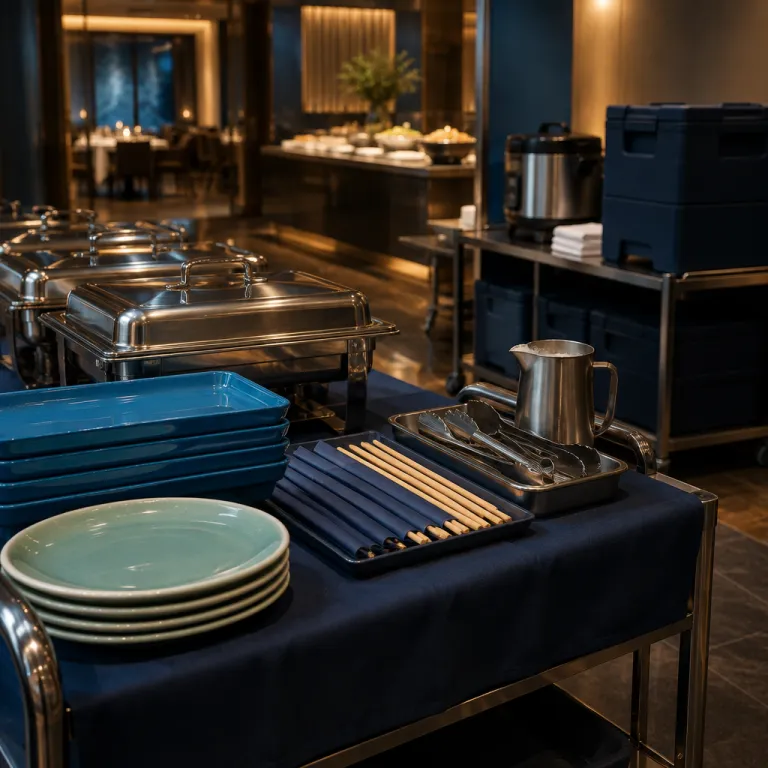
Why Osaka hotels now court the power of restaurant chains in Japan
Osaka hotels increasingly collaborate with well known restaurant chains in Japan to reassure international guests who crave familiar flavors. These partnerships bring recognizable Japanese chain brands into lobbies and upper floors, while still reflecting Kansai traditions through seasonal rice dishes and carefully sourced beef. For travelers comparing hotels, the presence of respected chain restaurants can quietly signal consistent quality, transparent pricing in yen, and reliable service standards.
Many visitors arrive from Tokyo or other cities already loyal to specific restaurant chains, so they look for the same brands across Japan when choosing where to stay in Osaka. Hoteliers understand that a guest who can find their favorite gyudon bowl or miso soup on site is more likely to book consecutive nights and spend more on side dishes and drinks. As one Osaka hotel manager told a 2023 regional tourism survey, “When guests see a chain they recognize next to our front desk, their hesitation about where to eat on the first night almost disappears.” This is why you now see major restaurant chains integrated into hotel podium levels, with clear signage in both Japanese and English and extended opening hours that match late check in patterns.
For business travelers, these hotel based restaurant options reduce friction during tight schedules and early departures. A quick beef bowl or pork curry rice set downstairs feels more efficient than searching the streets, especially in unfamiliar neighborhoods after evening meetings. Leisure guests on longer Japan travel itineraries also appreciate predictable chain restaurants when they are tired, jet lagged, or traveling with children who prefer simple rice beef combinations and mild soup flavors.
From gyudon to wagyu: how chains complement Osaka hotel gastronomy
Osaka has long been called the nation’s kitchen of Japan, and hotels now balance that heritage with the comfort of globalized restaurant chains. A typical full service property might host a refined steakhouse focused on local wagyu beef alongside a casual Japanese chain specializing in gyudon and fast curry rice bowls. This layered approach lets guests choose between a celebratory wagyu dinner upstairs and an affordable beef bowl or pork miso soup at street level without leaving the building.
Chains such as Matsuya or Sukiya excel at rice beef combinations served in minutes, while hotel signature restaurants emphasize multi course dishes and seasonal produce. When you compare menus, the chain restaurants usually price a standard gyudon bowl at only a few hundred yen, whereas the hotel grill may highlight premium beef cuts and elaborate side dishes designed for slow, social meals. Both restaurant formats coexist comfortably, giving travelers flexibility to match their appetite, schedule, and budget each day of their stay.
Guests planning a special evening often reserve the hotel’s wagyu focused dining room after enjoying casual meals at on site restaurant chains earlier in the trip. For detailed guidance on where to enjoy exceptional wagyu in Osaka’s most refined hotel dining rooms, many travelers consult a dedicated resource on luxury hotel steak and grill experiences. The key is that the presence of familiar chains across Japan never replaces high end gastronomy; instead, it fills everyday needs so that guests can reserve their culinary focus and budget for standout evenings.
Casual chains, conveyor belts, and the Osaka hotel breakfast shift
Hotel breakfast in Osaka has changed as restaurant chains in Japan refine their morning menus and extend opening hours. Where buffets once dominated, some properties now outsource breakfast to a ground floor Japanese chain that serves rice, grilled fish, miso soup, and small side dishes in neatly priced sets. This approach keeps costs predictable in yen for both hotels and guests, while ensuring that even early departures can find a hot bowl of soup or rice beef combinations before catching a train.
Conveyor belt sushi has also moved closer to hotel lobbies, with brands such as Kura Sushi opening branches near major stations and business districts. Guests who might hesitate to navigate independent restaurants can instead follow the familiar conveyor belt format, choosing plates of sushi, tempura, and dessert at their own pace. Families especially value these restaurants throughout Japan because children enjoy the playful ordering screens and colorful dishes, while parents appreciate clear pricing and easy bill splitting.
Some Osaka hotels now promote nearby conveyor belt venues as part of their dining information, listing Kura Sushi or similar restaurant chains alongside in house options. For seafood lovers, this casual style complements more elaborate hotel kaiseki or crab focused menus that highlight regional ingredients. Travelers interested in how Japanese snow crab is reshaping Osaka hotel dining often turn to a specialized guide on crab centric hotel restaurants and seasonal menus, then balance those indulgent meals with quick sushi sessions at nearby chains.
Family friendly chains and the rise of the modern family restaurant
For guests traveling with children or older relatives, the presence of a family restaurant chain inside or next to an Osaka hotel can be decisive. Brands such as Royal Host operate multiple branches across Japan, offering Western style plates, Japanese curry rice, and kids’ menus in bright, accessible dining rooms. These restaurants provide clear allergen labeling, high chairs, and flexible seating, which many independent restaurant owners in dense neighborhoods cannot always guarantee.
Royal Host and similar family restaurant concepts typically serve all day menus that move smoothly from breakfast pancakes to late night burger plates and pork curry. Parents appreciate that they can order both rice bowls and salads as side dishes, while children choose from familiar burger sets or mild soup options. Because prices are displayed prominently in yen and English, international guests can budget accurately and avoid surprises, especially during longer Japan travel stays.
Hotels near major stations often highlight their proximity to these chain restaurants in marketing materials, knowing that families want predictable mealtimes. When a Royal Host branch or comparable Japanese chain is within a few minutes’ walk, guests feel more comfortable booking smaller rooms without kitchenettes. This reassurance extends to solo travelers as well, who may prefer the relaxed atmosphere of a family restaurant over crowded izakaya bars after a long day of sightseeing.
Signature chains shaping Osaka hotel neighborhoods: ramen, curry, and burgers
Beyond gyudon and family dining, several specialized restaurant chains in Japan strongly influence where travelers choose to stay in Osaka. Ichiran Ramen, famous for its individual booths and customizable soup intensity, often anchors nightlife districts that appeal to younger visitors. When a hotel stands within a short walk of an Ichiran Ramen branch, guests know they can secure a satisfying bowl of tonkotsu ramen late at night without language barriers.
Curry specialists such as CoCo Ichibanya also shape neighborhood appeal, especially for guests staying multiple nights who want variety beyond sushi and grilled beef. A nearby CoCo Ichibanya branch offers extensive curry rice combinations, from simple vegetable dishes to pork cutlet toppings, all clearly priced in yen and adjustable in spice level. Burger focused chains like Mos Burger add another layer, serving Japanese style burger creations that incorporate rice buns, teriyaki sauces, and seasonal side dishes tailored to local tastes.
When travelers research hotels, they often check online maps to find clusters of these restaurant chains around potential properties. Areas with Ichiran Ramen, CoCo Ichibanya, and Mos Burger branches within a few hundred metres feel more convenient, especially for guests arriving from Tokyo who already know these brands. For those planning stays around cherry blossom season, understanding how dining and location intersect with seasonal travel patterns is easier with resources such as a guide on how the Osaka cherry blossom forecast shapes hotel choices and nearby food options.
How Osaka hotels curate restaurant chains in Japan for international guests
Hotel managers in Osaka do not simply lease space to any available chain; they curate a mix of restaurant partners that reflects both local culture and global expectations. A typical mid range property might combine a Japanese chain specializing in rice beef bowls, a café serving light soup and salad dishes, and access to nearby sushi or conveyor belt venues. This mix ensures that guests can find breakfast, quick lunches, and relaxed dinners without feeling trapped in a single restaurant style.
Some hotels negotiate breakfast vouchers that can be used at partner chain restaurants, allowing guests to choose between miso soup and grilled fish sets or Western style toast and eggs. Others integrate loyalty programs so that frequent Japan travel guests earn points both for their room and for meals at on site restaurant chains, effectively turning dining into part of the overall stay value. When evaluating options, look for properties that clearly list their partner restaurants, menu highlights, and approximate prices in yen, rather than vague references to “nearby dining.”
For travelers who care about both convenience and culinary variety, the smartest strategy is to map hotel candidates against clusters of restaurant chains in Japan, independent restaurants, and transport links. Areas around Namba, Umeda, and Shin Osaka station typically offer the densest mix of chain restaurants, local izakaya, and specialty sushi counters. By choosing a hotel that balances these elements, you gain the freedom to alternate between comforting nationwide chains, ambitious hotel dining rooms, and small neighborhood gems throughout your stay.
Key figures on restaurant chains and hotel dining in Osaka
- According to the Japan Foodservice Association’s 2022 “Foodservice Industry Market Trends” report, chain restaurants account for more than half of total restaurant sales in major urban areas of Japan, reflecting their strong role in everyday dining for both residents and travelers.
- Data from the Osaka Convention & Tourism Bureau’s 2021 visitor statistics indicate that districts around Namba and Umeda host several hundred restaurants within a radius of 500 metres, including multiple branches of leading restaurant chains, which significantly increases perceived convenience for hotel guests.
- Industry surveys summarized by the Japan Tourism Agency in 2020 show that international visitors to Japan spend roughly 25 to 30 percent of their total travel budget in yen on food and beverages, making the availability of predictable chain restaurants an important factor in hotel selection.
- Market reports on Japanese chain expansion, such as the 2022 Fuji Keizai “Restaurant Chain Outlook,” highlight that brands like CoCo Ichibanya, Kura Sushi, and Mos Burger operate thousands of branches domestically, ensuring that travelers who know these names from Tokyo can usually find them near major Osaka hotels as well.
FAQ about Osaka hotels and restaurant chains in Japan
Are restaurant chains near Osaka hotels open late at night ?
Many restaurant chains in Japan located near Osaka hotels operate late into the evening, especially in areas such as Namba, Dotonbori, and Umeda. Ramen chains like Ichiran Ramen and gyudon specialists often serve until midnight or later, which suits guests arriving on late trains or flights. Always check individual opening hours, because branches in business districts may close earlier than those in nightlife zones.
Can I use credit cards at chain restaurants around Osaka hotels ?
Most large restaurant chains in Osaka accept major credit cards and IC cards, though some smaller branches still prefer cash in yen. Ramen, curry, and gyudon chains increasingly install touch screen kiosks that support contactless payments, which helps non Japanese speakers order smoothly. It is still wise to carry some cash for very small restaurants or older locations that have not upgraded their payment systems.
Do Osaka hotel areas offer vegetarian options at chain restaurants ?
Vegetarian choices at restaurant chains in Japan are improving, but they remain limited compared with Western cities. Curry specialists sometimes offer vegetable curry rice, and some burger chains provide plant based patties or salad focused sets. Strict vegetarians should review menus in advance and may prefer hotels near shopping malls, where international cafés and supermarkets expand the available options.
Is it cheaper to eat at chain restaurants than in hotel dining rooms ?
In most cases, chain restaurants around Osaka hotels are significantly cheaper than full service hotel dining rooms. A standard gyudon bowl or curry rice set at a Japanese chain may cost only a few hundred yen, while hotel restaurants often focus on multi course menus and premium ingredients. Many travelers mix both options, using chains for everyday meals and reserving hotel dining for special evenings.
How can I find hotels close to my favorite restaurant chains in Osaka ?
The most reliable method is to search your preferred restaurant chains in online maps, then look for hotels within a comfortable walking distance of those branches. Focus on major hubs such as Namba, Umeda, and Shin Osaka, where multiple chains cluster around stations. Reading recent guest reviews also helps, because many travelers mention specific restaurant names when praising a hotel’s location.