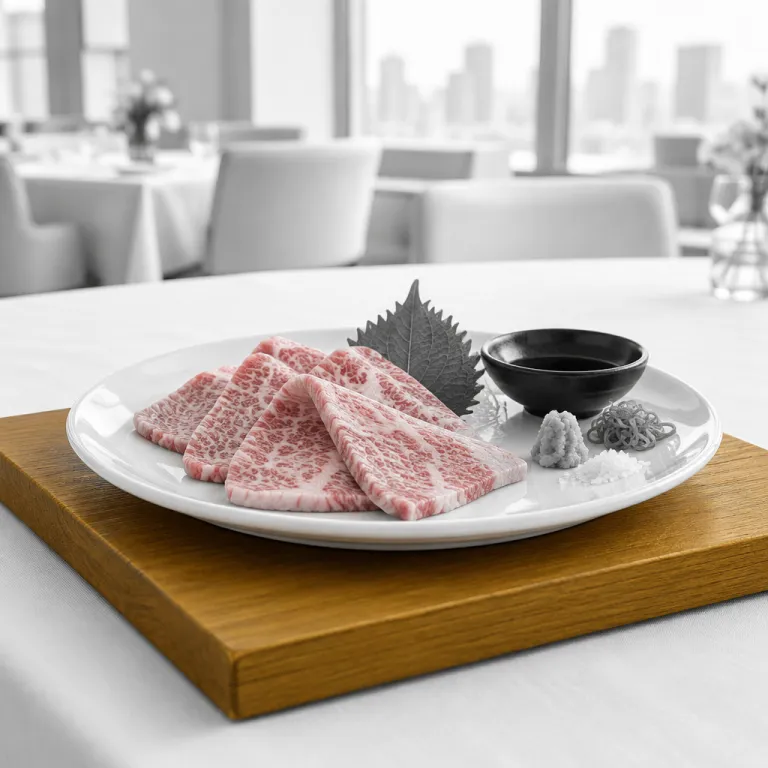
How Osaka hotels turned wagyu into a signature experience
Osaka has long been called the kitchen of Japan, and its hotels now treat wagyu as a defining taste of the city. Many of the most refined wagyu-focused dining rooms are tucked inside luxury properties, where chefs design tasting menus that move from delicate starters to charcoal grilled cuts. For a guest choosing where to stay, the quality of an in-house wagyu dinner can matter as much as the view or the room size.
In central Osaka, hotel dining teams curate multi-course menus that highlight regional beef such as Kobe beef, Matsusaka beef and the less known but superb Yonezawa beef from Yamagata. A typical course might start with wagyu tataki, move to yakiniku-style short rib, then finish with a small wagyu donburi. These experiences often combine yakiniku grilling, shabu shabu hot pot and aburi techniques that lightly sear the surface while keeping the centre almost sashimi like. When you compare restaurants across the city, you will notice that hotel venues tend to emphasise provenance, listing Japanese wagyu breeds like Kuroge wagyu and other Black wagyu on the menu with precise farm names and marbling grades.
Location shapes the experience too, especially for travellers who want to eat well without navigating late night trains. Around Osaka Station and the wider Umeda district, several hotels host signature steak and yakiniku counters that stay open late for both lunch and dinner services. In the Namba and Shinsaibashi area, properties lean into the neighbourhood’s nightlife energy, pairing grilled beef with creative cocktails, relaxed Japanese barbecue counters and easy access to the city’s most atmospheric streets.
Choosing the right neighbourhood for wagyu focused stays
For many visitors, the decision about where to book a room in Osaka starts with the station they expect to use most. The Osaka Station and Umeda main complex form the city’s busiest transport hub, and hotels here often feature polished grill rooms that cater to business travellers rushing between Tokyo and Kyoto or connecting along the Kyoto–Osaka rail corridor. You can step off the Shinkansen, check in, then head straight to a counter seat where a chef grills Japanese wagyu over binchotan charcoal.
In the Osaka Umeda area, hotel restaurant choices range from intimate yakiniku rooms to larger spaces that combine seafood, sushi counters and wagyu course menus under one roof. At properties such as The Ritz-Carlton, Osaka or the InterContinental Osaka, in-house grills and teppan counters might offer set lunches that start around ¥4,000–¥6,000, roughly the cost of a mid range Western bistro meal, while elaborate dinners featuring Kobe beef or Matsusaka beef can run several times higher. Prices vary widely, but many properties publish clear lunch and dinner price ranges so guests can plan their food budget before arrival. If you value convenience, staying near Osaka Station means you can eat premium wagyu one night, then take a quick train to explore restaurants in Kyoto or even day trip between Tokyo and Kyoto without sacrificing culinary time.
Further south, the Namba and Shinsaibashi districts offer a different rhythm that suits guests who want to eat late and explore on foot. Hotels here often collaborate with nearby restaurants in Shinsaibashi and Namba side streets, guiding guests toward specialist yakiniku and shabu shabu spots that focus on Kuroge wagyu or Matsusaka beef. Some properties even help with a reservation for yakiniku or hot pot at partner venues, which is invaluable when popular dining rooms citywide fill every seat during peak travel seasons.
Inside the kitchens: how hotel chefs treat wagyu, shabu and bbq
Once you have chosen your area, the next question is how you prefer to eat wagyu. Hotel-based Osaka wagyu specialists usually focus on one of three formats, namely yakiniku grilling, shabu shabu hot pot or teppan style barbecue where chefs cook on an iron griddle in front of you. Each style brings out different qualities in Japanese wagyu, Black wagyu and regional varieties such as Yonezawa beef or Kobe beef.
Yakiniku focused hotel venues let guests order by the cut, moving from leaner parts to richly marbled slices during a leisurely dinner. Staff often explain the difference between Kuroge wagyu and other Japanese breeds, suggesting ideal grilling times so the beef stays tender and juicy. When you make a reservation for yakiniku at a hotel restaurant, you can usually request a wagyu course that includes side dishes, seasonal seafood and vegetables, which helps balance the richness of the meat. One frequent visitor described their first Osaka hotel yakiniku meal as “like a guided tasting class, but with every bite better than the last.”
Shabu shabu and hot pot restaurants inside hotels appeal to travellers who prefer a lighter way to eat beef. Thin slices of wagyu or Matsusaka beef are swished briefly in simmering broth, then dipped in citrus or sesame sauces that cut through the fat. Some Osaka hotel dining rooms combine shabu shabu with aburi techniques, searing part of the menu at the table so guests can compare textures during the same lunch or dinner.
Signature hotel venues: from aburi bokujo to sushi and seafood pairings
Several hotel based wagyu specialists have become destinations in their own right for both locals and travellers. One notable example is Aburi Bokujo, a brand known for its focus on carefully sourced Kuroge wagyu and creative aburi preparations that lightly char the surface while preserving intense flavour. When Aburi Bokujo operates inside or adjacent to a hotel, guests gain the advantage of priority seating and the ability to charge their dinner directly to the room.
High end properties near Osaka Station and Osaka Umeda often host multi concept dining floors that combine wagyu, sushi restaurants and seafood counters. At hotels such as the Hilton Osaka or the Conrad Osaka, you might start with sashimi and seasonal seafood, then move to a counter where chefs grill Japanese wagyu or other Black wagyu over charcoal, finishing with a small wagyu course of rice and soup. This style of progressive meal suits travellers who want to sample a wide range of Japanese food without leaving the building, especially after a long day between Tokyo and Kyoto or along the Kyoto–Osaka route.
In the Namba and Shinsaibashi area, some hotels partner with nearby restaurants across the district rather than operating every venue themselves. Guests receive curated lists of restaurants in Shinsaibashi side streets that specialise in Kobe beef, Matsusaka beef or Yonezawa beef, often with guaranteed seating at peak times. This hybrid model blends the comfort of hotel service with the energy of the local food scene, giving you more ways to eat wagyu while still enjoying the security of a confirmed reservation for yakiniku or hot pot.
Pricing, reservations and how to evaluate value for money
Understanding price structures helps you compare wagyu focused hotel dining fairly when choosing a place to stay. Many properties publish set lunch menus that offer smaller wagyu course options at a lower price than dinner, which can be an excellent way to experience Japanese wagyu without stretching your budget. In contrast, evening tasting menus that feature Kobe beef, Matsusaka beef or Yonezawa beef usually cost more but include premium cuts and elaborate side dishes.
When you evaluate restaurants across Osaka, look beyond the headline price and consider portion sizes, breed information and cooking style. A slightly higher price at a venue that serves certified Kuroge wagyu or other Black wagyu from a named farm may represent better value than a cheaper option with vague sourcing. Hotels with strong culinary reputations often provide clear explanations of wagyu beef grades, marbling scores and regional differences, which helps guests make informed choices about what to eat.
Reservations matter, especially for popular yakiniku and shabu shabu venues in the Osaka Station, Osaka Umeda and Namba districts. Many hotels will handle a reservation for yakiniku, hot pot or barbecue on your behalf, sometimes even before you arrive in Japan. If you plan to travel between Tokyo and Kyoto or explore the Kyoto–Osaka corridor during your stay, consider booking at least one special wagyu dinner in advance so your itinerary and your meals align smoothly.
Planning your stay around wagyu, from breakfast to late night bites
Guests who care deeply about food often plan their entire Osaka stay around key meals. Some hotels now integrate wagyu into breakfast buffets, offering small portions of Japanese wagyu or Black wagyu alongside eggs and local vegetables, which turns the first meal of the day into a memorable experience. Others focus on lunch and dinner, timing wagyu course menus to match theatre performances, shopping hours in the Shinsaibashi area or late arrivals at Osaka Station.
If you enjoy grazing throughout the day, look for properties that combine in-house wagyu counters with easy access to surrounding streets. Around Osaka Umeda and Namba, you can eat a light wagyu beef lunch in the hotel, then step outside for casual street food, seafood snacks or quick bites at nearby sushi restaurants. Later, you might return for a more formal dinner featuring Kobe beef, Matsusaka beef or Yonezawa beef, paired with regional sake or wine.
Travellers who split their time between Tokyo and Kyoto and the broader Kyoto–Osaka region often appreciate hotels that coordinate dining across multiple nights. You could start with a relaxed barbecue style yakiniku evening, move to a refined shabu shabu hot pot the next day, then finish with an aburi focused meal at a venue such as Aburi Bokujo if it is available in your chosen area. By aligning your room reservation, your reservation for yakiniku and your broader Japan itinerary, you ensure that every day ends with a meal that reflects Osaka’s status as a true capital of wagyu.
Key figures shaping wagyu focused hotel dining in Osaka
- Industry groups such as the Japan Wagyu Registry Association note that Kuroge wagyu cattle supply the vast majority of beef used in high end wagyu dining, which explains why many hotel menus highlight this breed by name.
- Data from the Japan Tourism Agency shows that food related spending accounts for roughly one third of total visitor expenditure in major cities, so hotels near Osaka Station, Osaka Umeda and Namba increasingly invest in wagyu focused venues to capture this demand.
- According to the Kobe Beef Marketing & Distribution Promotion Association, only a limited share of Tajima cattle qualify as certified Kobe beef each year, which justifies the higher price of Kobe beef dishes compared with other wagyu beef options in restaurants across Osaka.
- Surveys by the Osaka Convention & Tourism Bureau indicate that travellers who rate food experiences highly are more likely to return to the Kyoto–Osaka region, encouraging hotels to refine their wagyu course offerings and collaborate more closely with restaurants in Shinsaibashi and Namba side streets.
FAQ about Osaka wagyu focused hotel dining
Which Osaka neighbourhood is best for hotel guests who love wagyu
Travellers who prioritise wagyu often choose hotels around Osaka Station and Osaka Umeda, because these areas host many polished grill rooms and steak counters within large complexes. Guests who prefer nightlife and street level food usually stay near Namba or the Shinsaibashi area, where hotels connect easily to specialist yakiniku, shabu shabu and barbecue venues. Both zones offer strong options, so your choice depends on whether you value transport convenience or late night atmosphere more.
How much should I budget for a wagyu dinner in an Osaka hotel
Prices vary, but a basic wagyu beef lunch set in a hotel restaurant might start around the equivalent of a mid range Western lunch, while a full wagyu course dinner featuring Kobe beef or Matsusaka beef can cost several times more. Venues that specialise in Kuroge wagyu or other Black wagyu with detailed provenance usually sit at the higher end of the price range. Checking sample menus before booking your room helps align your food budget with your overall Japan travel plans.
Do I need reservations for yakiniku or shabu shabu in hotel restaurants
Reservations are strongly recommended for popular wagyu counters, especially on weekends and during peak travel seasons. Many hotels will make a reservation for yakiniku, shabu shabu or hot pot on your behalf, and some properties can secure counter seats at partner venues such as Aburi Bokujo or nearby restaurants in Shinsaibashi. Booking early ensures you can eat at your preferred time without long waits.
Can I try different regional wagyu in one Osaka stay
Yes, staying in Osaka makes it easy to sample several regional wagyu varieties in a short time. Many hotel restaurants offer tasting menus that compare Japanese wagyu from different prefectures, including Kobe beef, Matsusaka beef, Yonezawa beef and other Kuroge wagyu producers. By planning a mix of lunch and dinner experiences across your stay, you can explore how each region’s beef differs in flavour, texture and marbling.
Are there good options for seafood and sushi alongside wagyu in hotels
Large hotels near Osaka Station, Osaka Umeda and Namba often host multiple venues that combine wagyu with seafood and sushi restaurants. You might enjoy sashimi or grilled seafood first, then move to a counter where chefs prepare yakiniku or aburi style wagyu beef as part of a broader wagyu course. This flexibility suits travellers who want varied food experiences without leaving the comfort of their chosen property.
To make the most of a short visit, you could spend two nights near Osaka Station for easy rail access and one night in Namba for nightlife. Plan a wagyu focused lunch on arrival, a teppan or yakiniku dinner on the second evening, and a lighter shabu shabu or aburi meal before departure. With just a few well chosen hotel restaurants, you can experience why Osaka has become a true showcase for wagyu.
References: Japan Tourism Agency ; Japan Wagyu Registry Association ; Kobe Beef Marketing & Distribution Promotion Association.