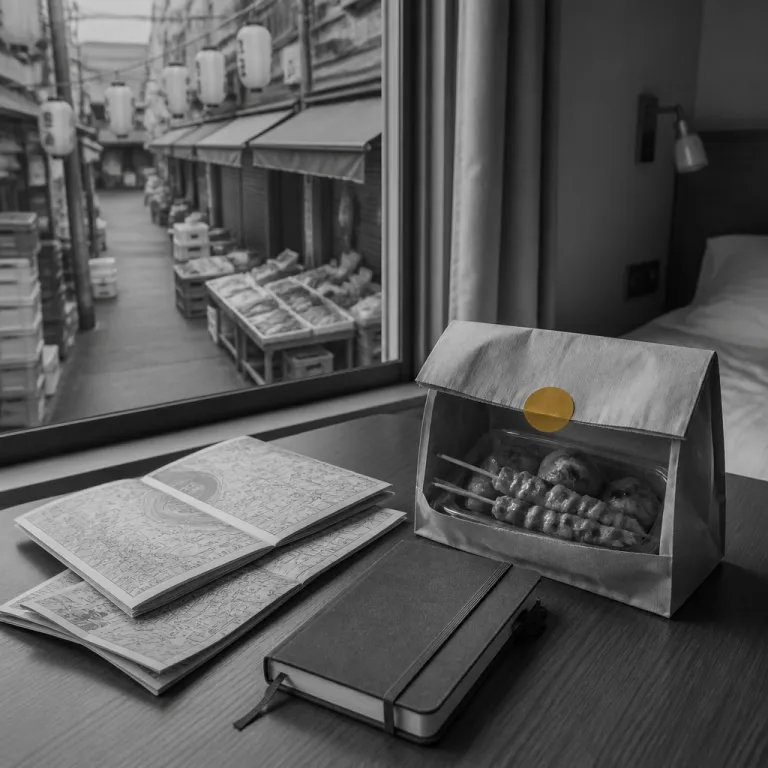
Why osaka kuromon market food matters when choosing your hotel
Osaka Kuromon market food is not just a meal; it is the daily theatre of the city’s appetite. When you stay in central Osaka, especially near Nippombashi Station, you gain effortless access to this famous covered arcade where Kuromon vendors serve fresh seafood, grilled beef skewer snacks, and classic takoyaki Osaka favourites. For travellers comparing hotels, proximity to Kuromon Ichiba and the wider market Osaka dining area can quietly shape how often you slip out for street food breakfasts, quick sushi lunches, and late afternoon tastings.
Kuromon Market, often called Osaka’s kitchen, runs for several city blocks and gathers well over a hundred shops and food stalls that specialise in seafood, tuna cuts, marbled beef, sushi, scallops, and seasonal Japanese food that local chefs buy before service. Local tourism materials and the Kuromon Ichiba Market Promotion Association describe it as one of Osaka’s busiest traditional markets, with tens of thousands of visitors on many days, which explains the lively atmosphere even outside peak seasons. Because the market Kuromon opening hours generally run from morning to evening on most days, a hotel within walking distance lets you time your visits around crowds, weather, and your own sightseeing schedule.
For someone planning where to sleep in Osaka, the best things to weigh are not only room size and price but also how easily you can eat Kuromon before tours, after meetings, or between museum visits. A property near Nippombashi Station or in Chuo Ward places you within minutes of Kuromon Ichiba, where Osaka Kuromon market food ranges from quick street food bites to sit-down counters serving good, fresh sushi and grilled seafood. Over the years, this area has become a reliable base for travellers who want Japanese food at their doorstep and who value the freedom to wander, taste, and return to their room without long train rides.
Understanding kuromon ichiba: layout, opening hours, and daily rhythm
Kuromon Ichiba sits in Nipponbashi, Chuo Ward, and is easily reached on foot from Nippombashi Station, which makes it a natural anchor when you shortlist hotels in central Osaka. The covered arcade of Kuromon Market runs roughly north to south, with seafood and tuna specialists clustered near some entrances and grilled beef skewer stands, takoyaki Osaka counters, and mochi stalls scattered along the central spine. Because the market Osaka layout is linear, it is simple to plan what to eat in a logical order, starting with raw seafood and finishing with cooked Japanese dishes or sweets.
Typical opening hours for Kuromon Ichiba stretch from morning into late afternoon or early evening, though individual food stalls may close earlier once their fresh stock sells out. Many seafood counters open around 9:00, while some street food vendors keep grilling until about 17:00 or 18:00, especially on weekends and holidays. This rhythm matters when you book a hotel, since a short walk allows you to slip into the market Kuromon area for a quiet early breakfast of sushi or grilled scallops before the tour groups arrive.
Over the years, Kuromon has evolved from a purely local ichiba market into a space where tourists, local chefs, and residents share the same narrow aisles. Multilingual signs now help visitors navigate the Kuromon food stalls, and you will see clear indications of prices, portion sizes, and whether you can eat Kuromon purchases at small standing counters. When you understand this daily flow, you can choose accommodation that lets you visit during quieter windows, enjoy good, fresh Japanese food, and still return in time for evening plans elsewhere in Osaka, Japan.
What to eat at kuromon market: seafood, street food, and sweets
For many travellers, the core appeal of Osaka Kuromon market food lies in the seafood, which ranges from simple grilled scallops to premium tuna belly and plump oysters. Several Kuromon vendors display whole fish and shellfish on ice, then prepare them to order so you can taste incredibly fresh sashimi, lightly torched sushi, or skewered seafood that is cooked while you watch. These stalls are where the market’s reputation as Osaka’s kitchen feels most vivid, and they are a strong reason to choose a hotel that keeps you close enough to return more than once.
Street food is another highlight, and you will quickly notice takoyaki Osaka stands sending out the scent of batter, octopus, and soy sauce based glaze. Alongside them, grills sizzle with beef skewer portions, chicken, and sometimes wagyu-style beef, giving you savoury snacks between sightseeing stops or before an evening drink back at your hotel bar. Many visitors say the best things at Kuromon Ichiba are the simplest: a good, hot takoyaki tray, a fresh seafood skewer, and a small cup of Japanese tea enjoyed while watching the flow of the ichiba market.
Sweets balance the savoury options, with mochi in several flavours, seasonal fruit, and custard-filled pastries appearing at different food stalls throughout the Market Osaka arcade. Because Osaka Kuromon market food is so varied, you can easily build your own informal food tour, starting with sushi, moving to grilled tuna or scallops, then finishing with a piece of juicy melon or a chewy, delicious mochi. Staying nearby means you can repeat this pattern over several days, sampling different Japanese food vendors and gradually learning which Kuromon corners suit your taste best.
Planning your visit from the hotel: timing, crowds, and practical tips
Once your hotel in Osaka is booked, the next step is to plan how Osaka Kuromon market food fits into your daily schedule. Because Kuromon Ichiba opens in the morning and becomes busier toward midday, guests staying within a ten to fifteen minute walk can enjoy quiet early visits before tour buses arrive. Travellers based farther from Market Osaka often reach the Kuromon area later, when queues form at popular food stalls and the best things like premium tuna cuts or limited seafood skewers may already be sold out.
Arriving via Nippombashi Station keeps logistics simple, and many hotels in Namba, Shinsaibashi, or Chuo Ward are only one or two stops away, which works well if you prefer a short train ride over walking. When visiting Kuromon, bring cash because some Kuromon Market vendors still do not accept cards, and carry a small reusable bag if you plan to buy Japanese food ingredients rather than ready-to-eat Kuromon snacks. The Market Kuromon aisles can feel narrow during peak hours, so planning your must-eat list in advance helps you move efficiently between sushi counters, beef skewer grills, and takoyaki Osaka stands.
Practical details shape the experience as much as flavour, especially if you are staying with family or older relatives in Osaka, Japan. Look for hotels that offer flexible breakfast times, so you can swap a standard buffet for an early walk to Kuromon Ichiba and return later for coffee or a light second meal. In recent years, more properties have started to highlight their proximity to Kuromon in their descriptions, which is a good sign that they understand how important Osaka Kuromon market food has become for international guests.
How kuromon market shapes neighbourhood choice for hotel guests
Choosing a base near Osaka Kuromon market food often means focusing on Namba, Nipponbashi, or the broader Minami district, where nightlife, shopping, and dining cluster together. Hotels in these areas place you within walking distance of Kuromon Ichiba, Dotonbori’s neon-lined canal, and Shinsaibashi’s covered shopping street, which together form the heart of Market Osaka life. For travellers who value Japanese food and late evening strolls as much as daytime sightseeing, this concentration of things makes the neighbourhood especially appealing.
Staying near Kuromon Market also changes how you structure your meals, since you can treat the ichiba market as an extended pantry rather than a single outing. Many guests start the day with sushi or grilled seafood, then return in the afternoon for a beef skewer, takoyaki Osaka snack, or a piece of delicious mochi before heading back to their room. Because visiting Kuromon is so convenient from nearby hotels, you can spread your food tour over several days, tasting different soy sauce marinades, comparing tuna quality, and deciding which food stalls serve the best, freshest flavours.
For travellers who prefer quieter evenings, staying one or two stations away from Nippombashi Station can still work well while keeping Osaka Kuromon within easy reach. In that case, look for properties with clear directions to the Market Kuromon area and check how long it takes to walk from the nearest subway exit to the main Kuromon arcade. In recent years, this balance between access and calm has become a key consideration for repeat visitors to Osaka, Japan who plan their trips around both rest and rich Japanese food experiences.
From market visit to guided food tour: deepening your kuromon experience
Once you have sampled Osaka Kuromon market food on your own, you may want to join a structured food tour that starts or ends at Kuromon Ichiba. Local guides often lead small groups through the Market Osaka lanes, explaining how seafood is sourced, why certain tuna cuts cost more, and how soy sauce, miso, and dashi shape Japanese food traditions. These tours can be especially valuable if your hotel is nearby, since you can meet the group on foot and return easily after several tastings.
Guided experiences usually highlight specific food stalls that have served the community for many years, from long-running sushi counters to family-owned grills specialising in scallops or beef skewer dishes. Along the way, you might try takoyaki Osaka style, compare different mochi textures, and learn which Kuromon vendors supply local restaurants across Osaka, Japan. Because visiting Kuromon with an expert reveals the stories behind each ichiba market stand, many travellers say this is one of the best things they do during their stay.
Hotels that understand the draw of Osaka Kuromon often provide maps, recommendations, or even partnerships with tour operators who focus on Japanese food culture. When you see concierge desks highlighting Kuromon Market, Nippombashi Station access, and curated lists of what to eat, it signals a property that recognises how central food is to the Osaka experience. As one local explanation for the area puts it, "Kuromon Market is known for fresh seafood and diverse street food options.", and choosing accommodation that embraces this reality will help you eat Kuromon well throughout your trip.
Key figures that help you evaluate osaka kuromon market food
- Kuromon Ichiba extends for several hundred metres in central Osaka, which means most visitors can walk the entire Market Osaka arcade in under thirty minutes while still stopping at several food stalls.
- Well over a hundred shops and vendors operate inside Kuromon Market, giving travellers a dense concentration of seafood, tuna, beef, sushi, scallops, mochi, and other Japanese food options within a compact ichiba market space.
- Local tourism sources describe Kuromon Ichiba as welcoming tens of thousands of people on busy days, so choosing a hotel within walking distance allows you to time your Osaka Kuromon market food visits around peak crowd periods.
- The Market Kuromon opening hours generally cover morning to evening, which lets hotel guests plan early seafood breakfasts, midday street food tastings, and late afternoon snacks before returning to rest.
FAQ: planning hotel stays around osaka kuromon market food
What is Kuromon market best known for?
Kuromon Market is best known for its fresh seafood, including tuna, scallops, and sushi, as well as a wide range of street food such as takoyaki and grilled beef skewer snacks. Many local chefs in Osaka, Japan buy ingredients here, which keeps quality high for everyday shoppers and hotel guests alike. This focus on fresh, delicious Japanese food is why Osaka Kuromon market food often shapes where travellers choose to stay.
How do I get to Kuromon market from my hotel?
The easiest access point for most visitors is Nippombashi Station on the Osaka Metro, from which Kuromon Ichiba is only a short walk. When booking a hotel, check how many minutes it takes to reach this station or to walk directly to the Market Osaka area. Properties in Namba, Nipponbashi, and Shinsaibashi usually offer the most convenient routes for visiting Kuromon.
Are there vegetarian or lighter options at Kuromon market?
While Osaka Kuromon market food is famous for seafood and beef, you will also find fruit stands, vegetable dishes, and mochi or other sweets that suit vegetarian or lighter appetites. Some food stalls prepare grilled vegetables or tofu-based Japanese food, and many offer rice dishes without meat or fish. If you have specific dietary needs, it helps to ask vendors politely or join a guided food tour where the guide can assist.
What time of day is best for visiting Kuromon from my hotel?
Early morning to late morning is usually the best window, since seafood is at its freshest and crowds are lighter than in the afternoon. Guests staying near Kuromon Market can easily walk over soon after opening hours begin, enjoy sushi or street food, and return to their hotel before starting other activities. Late afternoon can also be pleasant, though some of the best things like premium tuna or certain scallops may have sold out.
Can I sit down to eat at Kuromon market, or is it all takeaway?
Many Kuromon food stalls offer small standing counters or a few stools, while some larger vendors and nearby eateries provide more comfortable seating. If you prefer to sit, look for signs indicating eat-in spaces or ask staff whether you can eat Kuromon purchases on site. Travellers who value longer, seated meals may want a hotel with its own restaurant as well, using Kuromon Ichiba for tastings and casual snacks throughout the day.