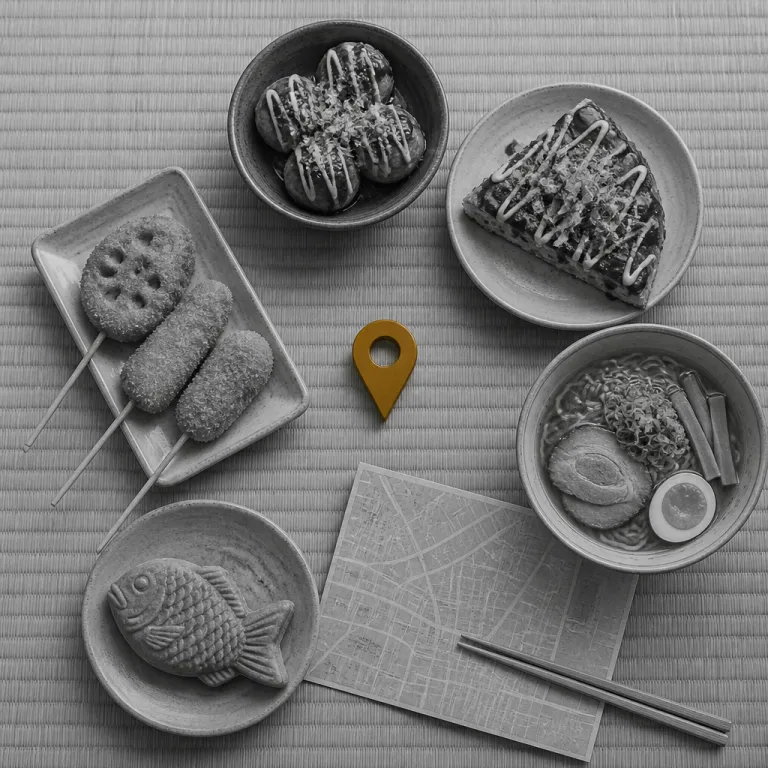
How your Osaka hotel location shapes every food tour
Where you sleep in Osaka quietly determines how, when, and what you will eat. Choosing a hotel near Dotonbori, Namba, or Umeda gives you effortless access to the city’s most atmospheric street scenes and late night food stalls. For travellers comparing properties across the city, the smartest Osaka food tour planning still begins with the map rather than the menu.
Osaka is compact by Japan standards, yet each district offers a different food culture rhythm that will influence which guided tastings you can realistically join after check in. If you stay near Namba Station, you can walk to many evening walking tours run by local operators, while a hotel in Umeda works better for travellers planning a private experience that starts near Osaka Station and then moves by subway to Shinsekai or the Kuromon Market area. When you experience the city as a guest who can stroll from lobby to lantern lit alley, you reduce transit time and increase time spent tasting Japanese dishes.
Guests who prioritise a structured guided experience should look for hotels with easy access to the Midosuji subway line, because many group outings and most major foodie tour companies use this backbone to cross the city. This makes it simple to reach a hungry evening walk in Shinsekai, a Kuromon Market morning tasting, or a private departure point in Umeda without worrying about taxis. When you evaluate hotels, ask yourself which Osaka food neighbourhood you want to feel outside your door, then match that to the tour providers you plan to book.
Essential Osaka food tour recommendations near key hotel districts
Staying near Namba or Shinsaibashi places you within minutes of some of the best food tour options in the city. Magical Trip, a respected operator, runs guided evening walks through Dotonbori and Shinsekai that focus on classic Osaka food such as takoyaki, okonomiyaki, and deep fried kushikatsu skewers. These small group experiences usually last around three hours, which aligns with the typical duration many local companies advertise for standard night outings.
Guests who choose hotels near Nipponbashi or Namba Parks are perfectly positioned for a morning or lunchtime visit to Kuromon Market with byFood, which specialises in market based tastings that highlight seasonal Japanese ingredients. Their local guide will walk you through the market’s narrow aisles, where you can eat freshly grilled seafood, sample wagyu skewers, and learn how Osaka street vendors source produce for the city’s restaurants. For travellers who prefer a more intimate foodie tour, both Magical Trip and byFood offer a private format that can be tailored to dietary needs, which is especially helpful if you are vegetarian or have allergies.
In Umeda, where many business oriented hotels cluster, Context Travel offers small group night tours that combine neighbourhood history with carefully chosen stops for regional dishes and sake. These guided walks suit travellers who want to experience Osaka in a quieter, more reflective way while still tasting the best food the city is known for. When you compare hotel options in Umeda versus Namba, consider whether you prefer the neon energy of Dotonbori street food or the more understated ambience of northern Osaka, then choose culinary experiences that mirror that mood.
Street food, markets, and what you will actually eat on tour
Osaka is often called Japan’s kitchen, and a well chosen food tour will show you why within a single evening. On most guided outings visitors join in Dotonbori or Shinsekai, you will eat takoyaki, okonomiyaki, and kushikatsu, the deep fried skewers that define the area’s casual food culture. One typical description from local tourism materials simply lists the city’s essentials as “takoyaki, okonomiyaki, kushikatsu,” a trio you will quickly come to recognise.
At Kuromon Market, which many locals still use for daily shopping, a knowledgeable local guide can introduce you to raw tuna tastings, grilled scallops, seasonal fruit, and delicate Japanese sweets that rarely appear on tourist menus. These market based Osaka food experiences are ideal for travellers staying in self catering apartments or hotels with kitchenettes, because you can buy ingredients during the tour and then cook them later. If you prefer to focus on cooked street food rather than raw seafood, choose a foodie tour that emphasises stalls and small eateries along Osaka street lanes instead of the wholesale sections of the market.
Travellers who book a private format can request specific dishes in advance, such as halal friendly menus, vegetarian plates, or gluten reduced options, and many operators in Japan now accommodate these needs with clear communication. Some private hosts will even coordinate with your hotel concierge so that your route ends close to your lobby, which is especially convenient after an evening of generous tastings. When you read Osaka food tour recommendations online, pay attention to how clearly each operator describes what you will eat, because transparency about dishes is a strong indicator of professionalism.
Balancing guided, private, and self guided experiences from your hotel
Not every traveller needs the same level of structure, and your hotel choice should reflect how you like to experience Osaka. If you enjoy context and conversation, a fully guided food tour with a certified local guide is usually the best food focused option, because you gain stories about the city’s history alongside each plate. Guests who prefer flexibility might instead book one private tour during their stay, then spend other evenings exploring Osaka street alleys on their own using notes from that first experience.
Many operators now offer instant confirmation and free cancellation windows when you reserve tastings online, which is helpful if your hotel booking is still flexible or your arrival time in Japan might change. This allows you to secure a spot on a popular hungry evening walk while still keeping the option to adjust dates if your room reservation shifts. When you compare guided group tours with private tours, remember that private formats often start directly from your hotel lobby or a nearby landmark, which can be invaluable if you are travelling with children or older relatives.
Self guided exploration also has its place, especially for guests staying multiple nights in the same city district. After joining one or two structured food tours run by local Osaka operators, you will recognise key dishes and understand local etiquette, which makes it easier to wander confidently between lantern lit counters and standing bars. A balanced itinerary might include one market focused morning in Kuromon Market, one Shinsekai street food evening, and one unplanned night where you simply follow your senses near your hotel.
Practical booking advice for hotel guests planning Osaka food tours
Once your hotel reservation in Osaka is confirmed, you should secure your preferred food tour dates before finalising restaurant bookings. Demand for small group tours has increased, and many operators price standard experiences at around 10 000 JPY per person, which helps you budget alongside your room rate. Booking early also ensures that you can match tour start times with your check in schedule, especially if you arrive in Japan on a late afternoon flight.
When reviewing Osaka food tour recommendations, prioritise operators that clearly state meeting points, maximum group sizes, and whether instant confirmation and free cancellation are available. This level of clarity is particularly important for hotel guests who might face travel delays or need to adjust plans because of weather in the city. Before you pay, check whether the tour includes all food or if you will pay for some dishes separately, because this affects how much cash you should withdraw in advance.
It is wise to inform your chosen guide about dietary restrictions at the time of booking, not only when you arrive at the meeting point. Many Japanese eateries used on tours are small, family run spaces where last minute changes are difficult, so advance notice allows the local guide to plan alternative dishes or even adjust the route. Wear comfortable shoes, carry a light jacket in cooler months, and leave heavy bags at your hotel, because most food tours involve steady walking through busy Osaka street corridors and narrow market aisles.
Aligning hotel style, neighbourhood character, and food culture depth
Every hotel in Osaka sits within a specific micro neighbourhood, and that character will shape how you experience local food during your stay. A riverside property near Dotonbori immerses you in neon reflections, street food aromas, and the constant movement of the city, which suits travellers who want to step from elevator to takoyaki stand in minutes. By contrast, a quieter hotel in Tennoji or near Shinsekai offers easier access to deep fried kushikatsu alleys and older shopping arcades, where the pace is slower and the clientele more local.
Guests who value cultural depth might choose accommodation near traditional shotengai shopping streets, then book a foodie tour that explores hidden gems behind closed shutters and unmarked doors. These experiences often rely on long standing relationships between guides and small eateries, so a respectful attitude and punctual arrival from your hotel are essential. When you experience Osaka through this lens, you begin to see how food culture, neighbourhood history, and modern tourism intersect in ways that reward curiosity.
For business travellers staying in Umeda high rises, an evening tour local operators run through backstreets can provide a welcome contrast to daytime meetings. A concise guided walk that starts near Osaka Station, moves through laneways lined with izakaya, and ends close to your hotel bar allows you to experience Osaka without sacrificing rest. Whatever your travel style, align your hotel choice, your preferred type of food tours, and your appetite for exploration so that every night in the city feels coherent rather than rushed.
Key figures to help plan your Osaka food experiences
- Many standard guided food tours in Osaka last about 3 hours, a duration that fits comfortably between hotel check in and a late evening return.
- Typical prices for structured food tours are often around 10 000 JPY per person, a useful benchmark when comparing packages that include private elements or extra dishes.
- Many evening tours in Osaka run roughly from 17:30 to 20:30, a schedule that aligns well with typical hotel check in times and allows travellers to avoid the city’s busiest commuter rush.
- Growing demand for small group formats means that popular tours often sell out several days in advance, so hotel guests with fixed dates should reserve at least one week before arrival when possible.
FAQ: planning Osaka food tours from your hotel
What foods are typically included on Osaka food tours ?
Most Osaka food tours focus on regional classics such as takoyaki, okonomiyaki, and kushikatsu, alongside seasonal side dishes and drinks. Market based itineraries may add fresh seafood tastings, wagyu skewers, and Japanese sweets, especially around Kuromon Market. Operators like Magical Trip and byFood usually list sample menus online so you can check whether the best food for your tastes is represented.
Are Osaka food tours suitable for vegetarians ?
Some tours in Osaka offer vegetarian options, but availability varies by route and by the small eateries used. You should confirm in advance with the operator and mention your needs when booking, especially if you choose a private tour format. Hotels with attentive concierges can often help you communicate dietary requirements in Japanese to ensure your guide will plan appropriate dishes.
How should I choose a food tour based on my hotel location ?
Start by mapping your hotel to the nearest major station, such as Namba, Umeda, or Tennoji, then look for food tours that begin within a short walk or a single subway ride. If you are staying near Dotonbori, a Shinsekai or Kuromon Market itinerary will usually be convenient, while Umeda based guests might prefer tours that start around Osaka Station. Shorter transfers mean more time to experience Osaka at the table and less time navigating the city after dark.
When should I book my Osaka food tour in relation to my hotel stay ?
Ideally, reserve your food tour once your hotel dates are fixed but before you plan restaurant reservations, because popular evening slots can fill quickly. Many operators offer instant confirmation and free cancellation within a set window, which gives you flexibility if your travel plans change. Aim to schedule a guided tour on your first or second night so that you can use what you learn about local food culture during the rest of your stay.
How do I book an Osaka food tour safely and reliably ?
The most reliable method is to book online through established tour operators such as Magical Trip, byFood, or Context Travel, all of which specialise in guided experiences in Japan. Check that the booking page clearly states inclusions, meeting points, and cancellation policies before you enter payment details. If you prefer extra reassurance, ask your hotel to confirm the operator’s reputation or to assist with the reservation on your behalf.