Understanding Osaka, Japan for the first time visitor choosing where to stay
Osaka, Japan can feel like a vast, electric city when you arrive for the first time. For anyone visiting Osaka on an initial trip to Japan, the choice of neighbourhood will shape every day, every meal, and every late night walk through neon streets. Your decision about where to stay in Osaka becomes the quiet anchor of your Japan travel story, especially when this is your first journey to the country.
The city of Osaka sits in the Kansai region of Japan, with Kyoto and Nara close enough for easy day trips yet with a very different personality from Tokyo. Where Tokyo feels vertical and hyper organised, Osaka city feels horizontal, sociable, and driven by food, so a first time traveller should think about how much they want nightlife, shopping, or quick access to Osaka Station and Namba Station. For a newcomer to Osaka, staying near a major rail hub such as Osaka Station, Namba, or Shin-Osaka will simplify every daily journey, every day trip, and every late return from an Osaka–Kyoto excursion.
Many travellers planning a first trip to Japan underestimate how large Osaka city is. Distances between Osaka Castle, the bay area, and the southern entertainment districts can stretch your daily schedule if you choose a remote hotel. A focused Osaka itinerary that clusters sights by area will save time, reduce fatigue, and let you enjoy more local food experiences instead of sitting on trains or changing lines repeatedly.
Best areas to stay in Osaka for first time visitors
Namba is usually the best area to stay in Osaka for a sociable first-time visitor who wants to walk straight into the action. Around Namba Station (including JR Namba, Nankai Namba, and Osaka Metro Namba) you will find Dotonbori’s giant neon signs, dense street food alleys, and easy subway links that turn most outings into a short ride of 5–15 minutes to other central districts. This is where the city feels most theatrical, and where a first time traveller will sense Osaka’s reputation as Japan’s kitchen from the first evening.
Umeda, around Osaka Station and Umeda Station, suits travellers who prioritise transport efficiency and a polished city atmosphere. Here, a first-time visitor gains direct rail access to Kyoto, Kobe, and the airport, making day trips extremely simple with or without a rail pass. Tall towers, department stores, and underground malls define the experience, so your Osaka itinerary from Umeda will feel structured, convenient, and ideal for business and leisure combined. Typical mid-range hotels here start around ¥12,000–¥18,000 per night for two people, with business hotels and luxury towers above and below that range.
For visitors who want a quieter Japanese neighbourhood feel while still staying central, areas between Shinsaibashi and Hommachi balance calm streets with quick subway access to both Osaka Castle and Namba. This location works well for a first trip to Japan where you want nightlife close but not under your window every night, and where mid-range hotels and serviced apartments sit on side streets a few minutes’ walk from Shinsaibashi Station or Hommachi Station. Wherever you stay in Osaka, confirm walking distances to the nearest metro entrance, because that small detail will shape your daily rhythm and your overall first impression of the city.
How many days in Osaka and how to structure your Osaka itinerary
For a first-time visitor to Osaka, three full days in the city is the practical minimum to feel the atmosphere without rushing. With three days, you can dedicate one day to Namba and Dotonbori, one to Osaka Castle and Umeda, and one to a nearby day trip while still returning to your chosen hotel each night. This rhythm lets your first time experience breathe, turning a simple trip into a layered introduction to Japan travel.
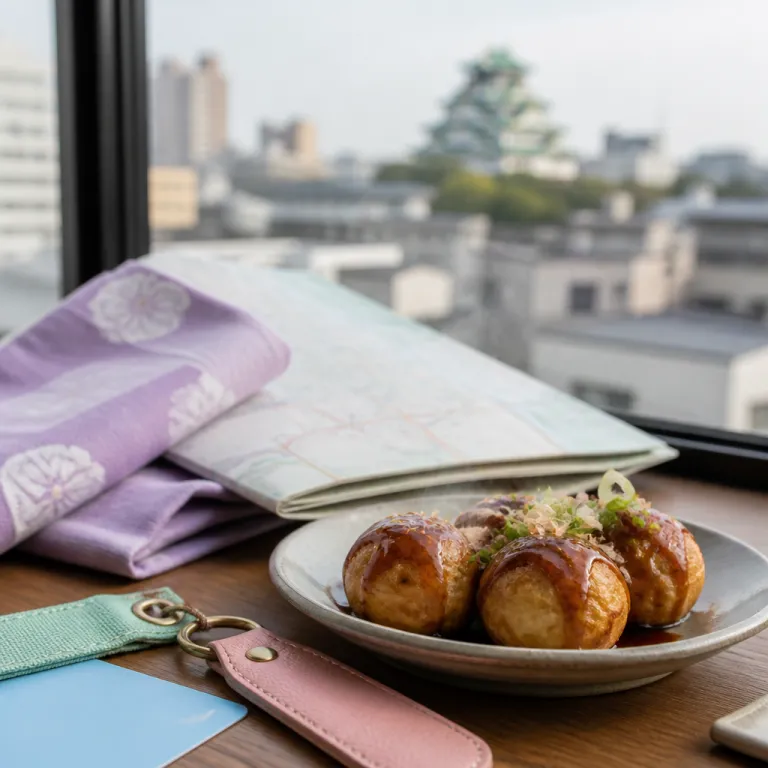
On day one, stay close to Namba Station and walk through Dotonbori’s canalside lights, sampling street food such as takoyaki and okonomiyaki from local stalls. This first evening in Osaka, Japan will set the tone, as you realise how different the city feels from Tokyo yet how unmistakably Japanese it remains. Your Osaka itinerary should leave time for side streets, where tiny counter restaurants reveal the best food memories and where you will likely interact with local residents more directly.
Day two often centres on Osaka Castle and the surrounding park, which becomes especially atmospheric during cherry blossom season when petals drift across the moats. From the castle area, you can continue your programme by heading to Umeda for skyline views and shopping before returning to your base. Many travellers then reserve day three for an Osaka–Kyoto day trip, using a rail pass or regular tickets to reach Kyoto in around 30 minutes from Osaka or Shin-Osaka Station and returning with a deeper sense of Kansai’s cultural range.
Key attractions and local experiences around your hotel
Choosing a hotel near major sights can transform a first stay in Osaka into a sequence of effortless walks rather than complicated transfers. If you stay near Osaka Castle, early morning strolls around the stone walls and gardens will become part of your daily routine, especially peaceful before tour groups arrive. During cherry blossom weeks, this area turns into one of the best Japan travel scenes, with families picnicking under trees and the city skyline framing the historic keep.
Travellers based near Namba Station will find that the city’s most famous street food corridors are only minutes away on foot. Here, each day can start with a quiet shrine visit and end with skewers of kushikatsu, bowls of ramen, and late night snacks that define Osaka as a food capital of Japan. For a first-time Japan itinerary, this immersion in local flavours often becomes the most vivid experience, more memorable than any single castle or museum.
Those staying around Osaka Station gain quick access to both urban attractions and regional day trips, which is ideal for visitors planning multiple days in Osaka with varied activities. From this hub, you can reach Universal Studios Japan in roughly 15 minutes by train, the Osaka bay area in about 20–30 minutes, and Kyoto or Nara without changing lines too often. Your Osaka itinerary will feel smoother, and you will spend more time exploring and less time deciphering complex transfer boards in a foreign language.
Practical travel tips for an Osaka, Japan first time visitor
Practical details can make or break the experience for someone visiting Osaka for the first time, especially when navigating a dense city after a long flight. The Osaka Tourism Bureau, which provides information and support for visitors, recommends using the Osaka Metro and an ICOCA prepaid card to move quickly between districts. Their guidance aligns with what frequent travellers know from experience, that a simple payment method and clear rail map will reduce stress from the very first day.
When you visit Japan, remember that many smaller restaurants and local shops in Osaka still prefer cash, so withdraw yen at airport ATMs or major convenience stores near Osaka Station or Namba Station. Tipping is not customary anywhere in Japan, and in Osaka city it can even cause confusion, so you will simply pay the bill and offer a polite thank you instead. Escalator etiquette also matters, and in Osaka people stand on the right side, which differs from Tokyo and can surprise a first-time traveller moving between cities.
For day trips, consider whether a regional rail pass suits your Osaka–Kyoto or Osaka–Nara plans, especially if you will travel several days in a row. Products such as the JR Kansai Area Pass or Kansai Thru Pass can be worthwhile if you plan multiple intercity journeys within a few days, while single tickets are often cheaper for one-off outings. Mobile translation and navigation apps now make Japan travel far easier, but you should still carry your hotel address in Japanese characters for taxi drivers, and reserve popular restaurants one to four weeks in advance when possible, because the best local food spots often have limited seating and fill quickly during peak time.
Seasonality, best time to visit, and how it affects where you stay
Seasonal changes in Osaka, Japan are pronounced, and a first-time visitor should align their plans with weather and events. The best time for many travellers is spring, when cherry blossom trees around Osaka Castle and riverside parks create a soft contrast to the city’s neon nights. During this period, hotel rates rise and rooms near Osaka Station and Namba Station sell out quickly, so early booking becomes part of any serious Osaka itinerary.
Summer brings festivals, humidity, and long bright evenings, which can be thrilling for a first time traveller who wants to feel the city’s outdoor energy. If you visit Japan in the hottest months, consider hotels with easy access to underground malls in Umeda or air conditioned arcades in Namba, so each outing includes cool retreats. Autumn, by contrast, offers comfortable temperatures and vivid foliage in nearby Kyoto, making Osaka–Kyoto day trips especially rewarding for photography and temple visits.
Winter stays in Osaka city can be atmospheric, with illuminations around commercial districts and fewer crowds at major attractions. For a first winter trip to Japan, staying close to transport hubs reduces the time you will spend in the cold while waiting for trains or buses. Whatever the season, align your chosen neighbourhood, length of stay in Osaka, and planned day trips with your personal tolerance for heat, crowds, and late night noise.
Key figures for Osaka travel and visitor trends
- According to the Japan National Tourism Organization, Osaka Prefecture welcomed over 12 million international visitors in 2019, underlining how central the city has become to Japan travel itineraries.
- This high visitor volume means a first-time visitor to Osaka should secure accommodation near Osaka Station or Namba Station well in advance during cherry blossom and autumn foliage seasons.
- Growing interest in local food experiences has pushed demand for hotels within walking distance of major street food areas, especially around Dotonbori and Shinsekai.
- The rising popularity of day trips from Osaka to Kyoto and Nara has increased the appeal of rail pass products that cover multiple cities within the Kansai region.
FAQ about staying in Osaka, Japan for the first time
What is the best area to stay in Osaka for a first visit ?
Namba and Umeda are recommended for their convenience and attractions, and both work very well for a first-time visitor to Osaka. Namba suits travellers focused on nightlife and street food, while Umeda around Osaka Station is better for efficient day trips. Your choice should reflect whether you prioritise late evening walks or early morning train connections.
How many days should a first time visitor spend in Osaka ?
A minimum of three days in Osaka is suggested to explore main attractions without rushing. With three days, you can enjoy Osaka Castle, Namba, Umeda, and at least one day trip to Kyoto or Nara. Longer stays allow deeper local experiences, especially for travellers who want to balance Osaka city with other parts of Japan.
Is it necessary to carry cash in Osaka ?
Yes, many small establishments only accept cash, particularly local eateries and older shops away from major stations. Larger hotels and chains near Osaka Station and Namba Station usually accept cards, but a first-time traveller should still carry enough yen for daily expenses. ATMs in convenience stores are widely available and easy to use with foreign cards.
Are restaurant reservations required for first time visitors ?
For popular spots, it's advisable to reserve 1–4 weeks in advance, especially during peak periods such as cherry blossom season and weekends. A first-time visitor staying near busy food districts will notice queues outside famous venues by early evening. Asking your hotel concierge or using online booking tools can secure seats at renowned Japanese restaurants and intimate local counters.
Do I need a rail pass for Osaka and nearby day trips ?
A rail pass is not mandatory, but it can be cost effective if you plan several Osaka–Kyoto or Kansai day trips within a short time. For travellers staying mainly inside Osaka city, an ICOCA card and regular tickets usually suffice. Calculate your likely journeys before purchase, so your Japan travel budget supports experiences rather than unnecessary transport products.
References
- Osaka Tourism Bureau
- Japan National Tourism Organization (JNTO)
- Prefectural and city tourism statistics for Osaka